Jewelry · Jewelry
Timeless Elegance: The Allure of Vintage Jewelry
Vintage jewelry possesses a unique charm that transcends generations, captivating enthusiasts and collectors alike. Its allure lies not only in the aesthetic beauty of the pieces b…
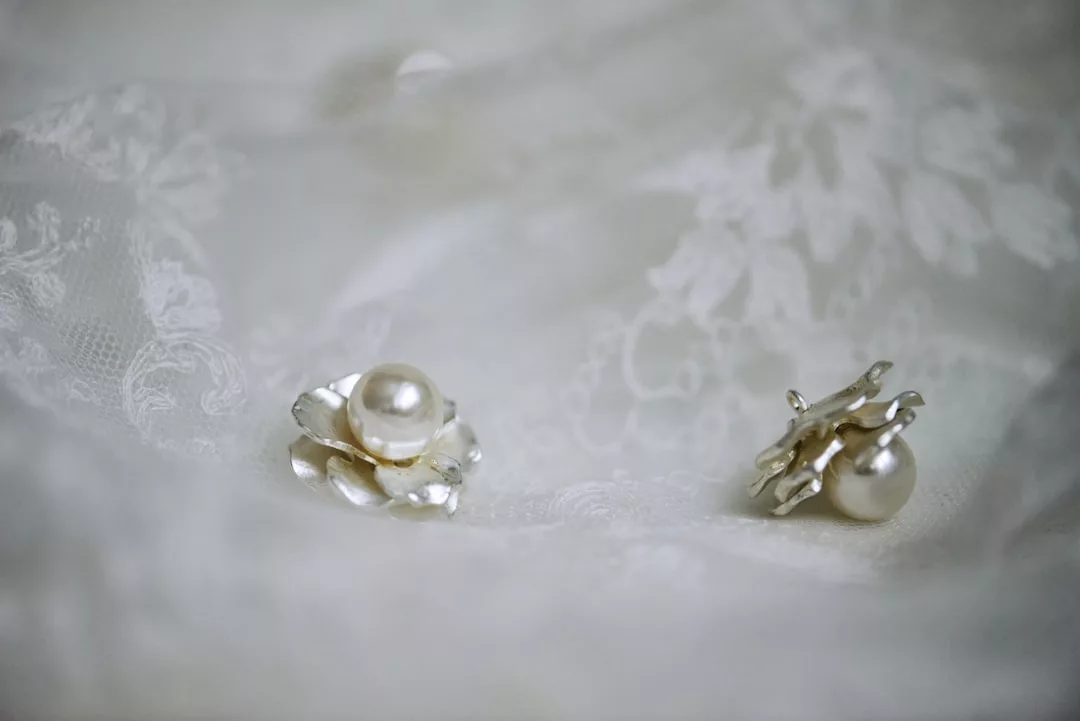
Vintage jewelry possesses a unique charm that transcends generations, captivating enthusiasts and collectors alike. Its allure lies not only in the aesthetic beauty of the pieces but also in the stories they carry. Each item is a tangible connection to the past, often reflecting the cultural and social dynamics of the era in which it was created.
The intricate designs, the choice of materials, and the craftsmanship all contribute to a narrative that resonates with those who appreciate history and artistry. Whether it’s a delicate Art Deco brooch or a bold Mid-Century statement necklace, vintage jewelry evokes nostalgia and admiration, making it a cherished addition to any collection. Moreover, vintage jewelry often embodies a sense of individuality that is hard to find in contemporary pieces.
In an age where mass production dominates the market, vintage items stand out for their uniqueness and character. Wearing vintage jewelry allows individuals to express their personal style while also celebrating the craftsmanship of artisans from different periods. This blend of history and personal expression creates a timeless appeal that continues to attract new generations of jewelry lovers, ensuring that vintage pieces remain relevant in today’s fashion landscape.
Key Takeaways
- Vintage jewelry has a timeless appeal that transcends trends and fads, making it a popular choice for those seeking unique and classic pieces.
- The history and evolution of vintage jewelry reflects the cultural and societal changes of different time periods, making each piece a piece of wearable history.
- The artistry and craftsmanship of vintage jewelry often showcase intricate designs and attention to detail that are rarely seen in modern jewelry.
- Vintage jewelry continues to be popular due to its ability to add a touch of nostalgia and glamour to any outfit, making it a versatile and enduring accessory.
- Identifying and authenticating vintage jewelry requires knowledge of different eras, styles, and materials, as well as the ability to recognize hallmarks and signatures from specific designers.
The History and Evolution of Vintage Jewelry
The history of vintage jewelry is as rich and varied as the pieces themselves. It spans centuries, with each era contributing distinct styles and techniques that reflect the prevailing cultural influences. The term “vintage” typically refers to jewelry that is at least 20 years old but less than 100 years old, placing it within the 20th century and early 21st century.
The evolution of vintage jewelry can be traced through significant movements such as Art Nouveau, Art Deco, and Mid-Century Modernism, each characterized by unique design philosophies and materials. Art Nouveau, which flourished from the late 19th century to the early 20th century, emphasized organic forms and intricate detailing. Jewelers like René Lalique and Louis Comfort Tiffany were pioneers of this movement, creating pieces that featured flowing lines and motifs inspired by nature.
As society transitioned into the Roaring Twenties, the Art Deco movement emerged, marked by geometric shapes, bold colors, and a sense of luxury. This period saw the introduction of new materials such as Bakelite and chrome, alongside traditional gemstones. The evolution continued into the Mid-Century era, where designs became more streamlined and minimalist, reflecting the post-war optimism and technological advancements of the time.
The Artistry and Craftsmanship of Vintage Jewelry
The artistry involved in creating vintage jewelry is a testament to the skill and dedication of artisans from various periods. Each piece is often handcrafted, showcasing techniques that have been passed down through generations. For instance, enameling, a process where colored glass is fused to metal, was widely used in Art Nouveau jewelry to create vibrant designs that captured the essence of nature.
Similarly, the intricate filigree work seen in many Victorian pieces demonstrates a level of craftsmanship that requires immense patience and precision. In addition to traditional techniques, vintage jewelry often incorporates unique materials that enhance its beauty and value. For example, during the Art Deco period, jewelers began using synthetic stones alongside natural gems, allowing for innovative designs that were both affordable and visually striking.
The combination of craftsmanship and creativity results in pieces that are not only visually appealing but also serve as historical artifacts that reflect the technological advancements and artistic movements of their time.
The Enduring Popularity of Vintage Jewelry
The enduring popularity of vintage jewelry can be attributed to several factors, including its historical significance, unique designs, and sustainable appeal. As consumers become increasingly aware of environmental issues associated with fast fashion, many are turning to vintage pieces as a more sustainable alternative. Vintage jewelry offers a way to embrace style while minimizing environmental impact, as these items have already been produced and are being reused rather than newly manufactured.
Additionally, vintage jewelry often carries a sense of nostalgia that resonates with people on a personal level. Many individuals are drawn to pieces that remind them of family heirlooms or significant moments in history. This emotional connection enhances the desirability of vintage items, making them not just accessories but cherished keepsakes.
Social media platforms have also played a crucial role in promoting vintage jewelry, with influencers and fashion enthusiasts showcasing their unique finds, further fueling interest in these timeless treasures.
How to Identify and Authenticate Vintage Jewelry
Identifying and authenticating vintage jewelry requires a keen eye for detail and an understanding of various styles and materials. One of the first steps in this process is examining the piece for any maker’s marks or stamps that can provide information about its origin. Renowned designers often left their mark on their creations, which can significantly enhance the piece’s value.
Researching these marks can help determine the authenticity and age of the jewelry. In addition to maker’s marks, examining the construction techniques can offer clues about a piece’s authenticity. For instance, older pieces may feature hand-set stones or soldering techniques that differ from modern manufacturing methods.
Understanding the characteristics of different eras, such as the use of specific gemstones or metal types, can also aid in identification. Consulting with experts or utilizing resources like antique jewelry guides can provide valuable insights into distinguishing genuine vintage items from reproductions or fakes.
The Value and Investment Potential of Vintage Jewelry
The value of vintage jewelry can vary widely based on several factors, including age, rarity, condition, and provenance. Certain pieces from renowned designers or those with historical significance can command high prices at auctions or through private sales. For instance, a vintage Cartier piece or a signed Van Cleef & Arpels item often appreciates over time due to their brand recognition and craftsmanship.
Investing in vintage jewelry can be both financially rewarding and personally fulfilling. Unlike traditional investments such as stocks or bonds, vintage jewelry offers tangible value that can be enjoyed while it appreciates over time. Collectors often find joy in curating their collections, attending auctions, and discovering hidden gems at estate sales or antique shops.
However, potential investors should conduct thorough research and seek expert advice to navigate the complexities of the vintage jewelry market effectively.
Incorporating Vintage Jewelry into Modern Fashion
Incorporating vintage jewelry into modern fashion allows individuals to create unique looks that stand out from contemporary trends. For example, pairing a bold Art Deco cocktail ring with a simple little black dress can create a striking contrast that elevates the overall look.
Layering is another effective way to integrate vintage jewelry into everyday wear. Stacking vintage bangles or layering necklaces from different eras can create an eclectic yet cohesive style statement. Fashion icons like Iris Apfel have popularized this approach by showcasing how vintage pieces can be seamlessly blended with modern fashion elements.
This versatility not only highlights the timelessness of vintage jewelry but also encourages creativity in personal styling.
Caring for and Maintaining Vintage Jewelry
Caring for vintage jewelry requires special attention to preserve its beauty and integrity over time. Different materials may require specific cleaning methods; for instance, pearls should be wiped with a soft cloth after wearing to remove oils from skin contact, while gold or silver pieces can be gently cleaned with mild soap and water. It is essential to avoid harsh chemicals or abrasive materials that could damage delicate settings or finishes.
Storage is equally important in maintaining vintage jewelry’s condition. Keeping pieces in individual pouches or lined boxes can prevent scratches and tangling. Additionally, avoiding exposure to extreme temperatures or humidity can help preserve gemstones and metals from deterioration.
Regular inspections for loose stones or signs of wear can ensure that any necessary repairs are addressed promptly, allowing these treasured items to be enjoyed for generations.
The Role of Vintage Jewelry in Special Occasions
Vintage jewelry often plays a significant role in special occasions such as weddings, anniversaries, or milestone celebrations. A vintage tiara or a pair of antique earrings can serve as stunning focal points that enhance the overall aesthetic.
Beyond weddings, vintage jewelry can also be meaningful gifts for anniversaries or significant life events. A beautifully crafted locket containing photographs or mementos can symbolize love and connection across generations. The emotional weight carried by these pieces often makes them more than just accessories; they become cherished tokens imbued with personal significance.
Famous Vintage Jewelry Pieces and Their Stories
Throughout history, certain vintage jewelry pieces have gained notoriety due to their association with celebrities or significant events. One such example is the iconic diamond necklace worn by Marilyn Monroe during her performance of “Diamonds Are a Girl’s Best Friend” in the film “Gentlemen Prefer Blondes.” This piece not only became synonymous with Monroe’s glamorous persona but also highlighted the allure of diamonds in popular culture. Another notable example is Princess Diana’s sapphire engagement ring, which has since become one of the most recognized pieces of royal jewelry in history.
After her passing, it was passed down to Kate Middleton, further solidifying its status as a symbol of love and legacy within the British royal family. These stories not only enhance the value of such pieces but also contribute to their enduring appeal among collectors and admirers alike.
Where to Find and Purchase Authentic Vintage Jewelry
Finding authentic vintage jewelry requires diligence and knowledge about reputable sources. Antique shops, estate sales, auctions, and specialized vintage boutiques are excellent places to discover unique pieces with rich histories. Online platforms such as Etsy or eBay also offer vast selections; however, buyers should exercise caution by researching sellers’ reputations and reading reviews before making purchases.
Attending antique fairs or gem shows can provide opportunities to connect with knowledgeable dealers who specialize in vintage jewelry. These events often feature a wide range of items from various eras, allowing collectors to explore different styles while gaining insights from experts in the field. Building relationships with trusted dealers can lead to valuable connections for future acquisitions while ensuring authenticity in every purchase made.
In conclusion, vintage jewelry remains an enduring symbol of artistry, history, and personal expression that continues to captivate individuals across generations. Its timeless appeal lies not only in its aesthetic beauty but also in its ability to connect us with our past while enriching our present lives through unique style statements and cherished memories.
More in
More from Jewelry
Jewelry · 8 min
Stylish Bar Jewelry: Elevate Your Look
Bar jewelry has emerged as a captivating trend in the world of accessories, captivating fashion enthusiasts and casual wearers alike. Characterized by…
Jewelry · 9 min
Unlocking the Elegance of the Emerald Cut
The emerald cut has a rich and storied history that dates back to the 15th century, originating in the lapidary practices of the Spanish and Portugues…
Jewelry · 9 min
Bangle: A Timeless Fashion Accessory
Bangle jewelry has a rich and diverse history that spans across various cultures and epochs. The origins of bangles can be traced back to ancient civi…