News · News
Ultimate Fitness Regimen for Maximum Results
Establishing clear fitness goals is the cornerstone of any successful exercise regimen. Without defined objectives, individuals may find themselves wandering aimlessly through thei…
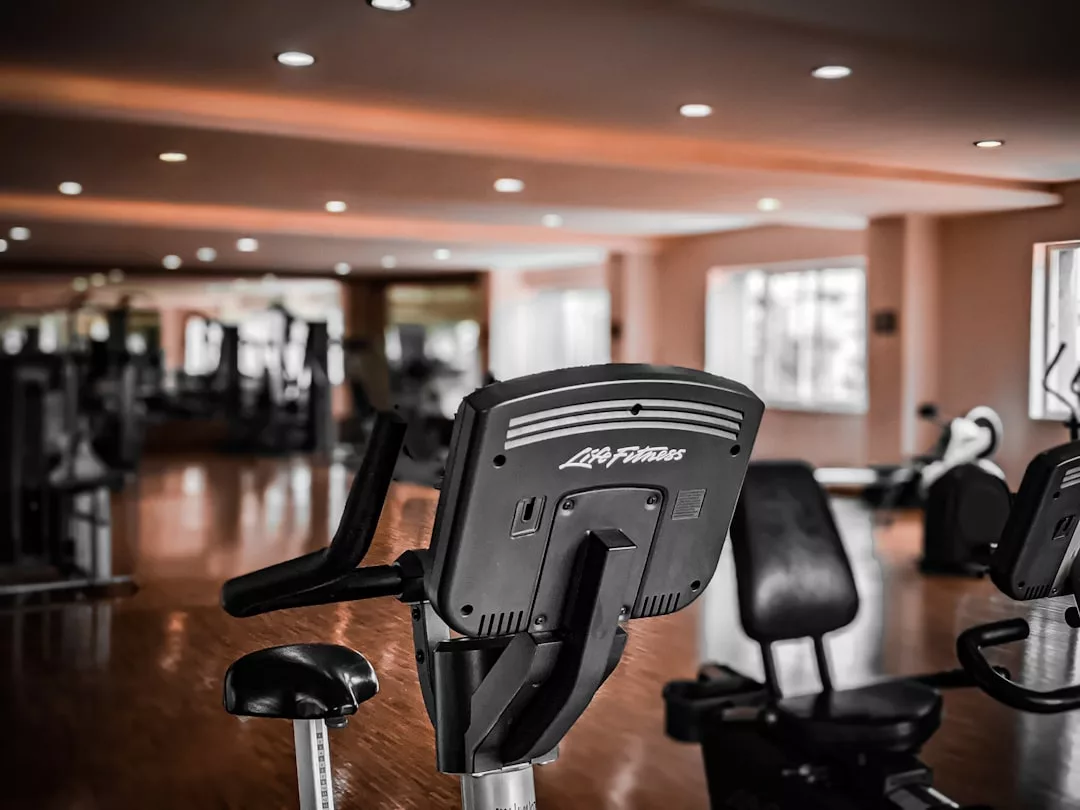
Establishing clear fitness goals is the cornerstone of any successful exercise regimen. Without defined objectives, individuals may find themselves wandering aimlessly through their workouts, lacking direction and purpose. Goals should be specific, measurable, achievable, relevant, and time-bound (SMART).
For instance, rather than simply stating a desire to “get fit,” a more effective goal would be “to run a 5K in under 30 minutes within three months.” This specificity not only provides a clear target but also allows for tracking progress over time. Moreover, setting both short-term and long-term goals can enhance motivation and provide a sense of accomplishment. Short-term goals, such as completing a certain number of workouts each week or increasing weights in strength training sessions, can serve as stepping stones toward larger aspirations.
Long-term goals might include participating in a triathlon or achieving a specific body composition. By breaking down larger ambitions into manageable milestones, individuals can maintain focus and celebrate small victories along the way.
Key Takeaways
- Setting clear fitness goals helps provide direction and motivation for your workout plan.
- A well-rounded workout plan should include a mix of strength training, cardiovascular exercises, flexibility, and mobility work.
- Incorporating strength training into your routine helps build muscle, increase metabolism, and improve overall strength and endurance.
- Implementing cardiovascular exercises is important for heart health, weight management, and overall fitness.
- Including flexibility and mobility work can help prevent injuries and improve overall performance in other areas of fitness.
Creating a Well-Rounded Workout Plan
A well-rounded workout plan is essential for achieving comprehensive fitness. Such a plan should encompass various types of exercises that target different aspects of physical health, including strength, endurance, flexibility, and balance. A balanced approach not only prevents boredom but also reduces the risk of injury by ensuring that all muscle groups are engaged and developed evenly.
For example, a weekly workout schedule might include strength training on Mondays and Thursdays, cardiovascular workouts on Tuesdays and Saturdays, and flexibility sessions on Wednesdays and Sundays. In addition to variety, the workout plan should also consider individual preferences and lifestyle factors. Some individuals may thrive in group classes, while others prefer solo workouts or outdoor activities.
Incorporating personal interests, such as dance, martial arts, or hiking, can make the fitness journey more enjoyable and sustainable. Furthermore, it’s crucial to allow for flexibility within the plan; life can be unpredictable, and having the ability to adjust workouts based on energy levels or time constraints can help maintain consistency.
Incorporating Strength Training
Strength training is a vital component of any fitness regimen, offering numerous benefits that extend beyond mere muscle building. Engaging in resistance exercises enhances muscle strength and endurance while also improving bone density and metabolic rate. This is particularly important as individuals age; maintaining muscle mass can help prevent the onset of sarcopenia, a condition characterized by the gradual loss of muscle tissue. To maximize effectiveness, individuals should consider incorporating a variety of training modalities. Free weights, resistance bands, bodyweight exercises, and machines each offer unique advantages.
For instance, free weights promote greater stabilization and engage multiple muscle groups simultaneously, while machines can provide guided movements that are beneficial for beginners. Additionally, varying the intensity and volume of workouts, through techniques such as progressive overload, can stimulate muscle growth and prevent plateaus.
Implementing Cardiovascular Exercises
Cardiovascular exercises are essential for enhancing heart health and improving overall endurance. These activities elevate the heart rate and promote efficient blood circulation throughout the body. Engaging in regular cardiovascular workouts can reduce the risk of chronic diseases such as heart disease, diabetes, and obesity.
Popular forms of cardio include running, cycling, swimming, and group fitness classes like Zumba or kickboxing. The key is to find an activity that is enjoyable and sustainable over the long term. Incorporating different types of cardiovascular training can also yield significant benefits.
Steady-state cardio involves maintaining a consistent pace over an extended period, which is excellent for building endurance. Conversely, high-intensity interval training (HIIT) alternates between short bursts of intense activity and periods of rest or lower intensity. HIIT has gained popularity due to its efficiency; studies have shown that it can produce similar cardiovascular benefits in a fraction of the time compared to traditional steady-state cardio.
Including Flexibility and Mobility Work
Flexibility and mobility work are often overlooked components of fitness regimens but are crucial for overall physical health. Flexibility refers to the ability of muscles and tendons to stretch without injury, while mobility encompasses the range of motion in joints. Regularly incorporating stretching exercises can improve flexibility, enhance athletic performance, and reduce the risk of injuries during other physical activities.
Dynamic stretching before workouts prepares the body for movement, while static stretching post-workout aids in recovery. Mobility work focuses on improving joint function and movement patterns. This can include exercises such as hip openers, shoulder dislocates with a resistance band, or ankle mobility drills.
By enhancing mobility, individuals can perform exercises with better form and efficiency, leading to improved results in strength training and cardiovascular activities. Additionally, practices like yoga or Pilates not only promote flexibility but also foster mindfulness and body awareness.
Focusing on Proper Nutrition
Nutrition plays a pivotal role in supporting fitness goals and overall health. A well-balanced diet provides the necessary fuel for workouts while aiding in recovery and muscle repair. Macronutrients, carbohydrates, proteins, and fats, each serve distinct functions; carbohydrates are essential for energy during high-intensity workouts, proteins are crucial for muscle repair and growth, and healthy fats support hormone production and overall cellular function. This includes fruits, vegetables, whole grains, lean proteins, and healthy fats such as avocados or nuts. Meal timing can also impact performance; consuming a balanced meal or snack containing carbohydrates and protein before workouts can enhance energy levels and improve performance.
Post-workout nutrition is equally important; replenishing glycogen stores with carbohydrates while providing protein for muscle repair can accelerate recovery.
Prioritizing Rest and Recovery
Rest and recovery are often undervalued aspects of fitness but are essential for long-term success. During exercise, muscles undergo stress and micro-tears; it is during recovery that they repair and grow stronger. Overtraining without adequate rest can lead to fatigue, decreased performance, and increased risk of injury.
Therefore, incorporating rest days into a workout schedule is crucial for allowing the body to recuperate. Active recovery strategies can also be beneficial; engaging in low-intensity activities such as walking or gentle yoga on rest days promotes blood flow without placing additional strain on the body. Sleep is another critical component of recovery; quality sleep supports hormonal balance and muscle repair processes.
Individuals should aim for 7-9 hours of sleep per night to optimize recovery and overall well-being.
Tracking Progress and Adjusting the Regimen
Monitoring progress is vital for staying on track with fitness goals. Keeping a workout journal or using fitness apps can help individuals log their workouts, track improvements in strength or endurance, and identify patterns over time. Regular assessments, such as measuring body composition changes or recording personal bests in various exercises, can provide tangible evidence of progress and motivate continued effort.
As individuals progress toward their goals, it may be necessary to adjust their workout regimen to avoid plateaus or boredom. This could involve increasing weights in strength training sessions, altering cardio intensity or duration, or trying new classes or activities altogether. Regularly reassessing goals is also important; as one achieves certain milestones, setting new challenges can keep motivation high and ensure continued growth.
Staying Consistent and Motivated
Consistency is key to achieving fitness goals; however, maintaining motivation over time can be challenging. Establishing a routine that fits seamlessly into one’s lifestyle can help foster consistency. Scheduling workouts at specific times during the week creates accountability and makes it easier to prioritize fitness amidst other commitments.
Additionally, finding a workout buddy or joining group classes can provide social support that enhances motivation. Setting up a reward system can also encourage adherence to fitness routines. Celebrating small achievements, whether it’s treating oneself to new workout gear after completing a month of consistent exercise or enjoying a favorite healthy meal after reaching a milestone, can reinforce positive behaviors.
Furthermore, visual reminders of goals, such as vision boards or motivational quotes, can serve as daily inspiration to stay committed.
Seeking Professional Guidance and Support
For many individuals, seeking professional guidance can significantly enhance their fitness journey. Personal trainers offer expertise in designing tailored workout plans that align with specific goals while ensuring proper form during exercises to minimize injury risk. Additionally, nutritionists can provide personalized dietary advice that complements fitness efforts by addressing individual needs based on activity levels and health conditions.
Group classes led by certified instructors can also provide structure and motivation while introducing participants to new exercises they may not have tried independently. Online platforms have expanded access to professional guidance; virtual training sessions or nutrition coaching allow individuals to receive support from experts regardless of location.
Celebrating Achievements and Setting New Goals
Recognizing achievements along the fitness journey is essential for maintaining motivation and fostering a positive mindset toward health and wellness. Celebrating milestones, whether big or small, reinforces the hard work put into reaching those goals. This could involve sharing accomplishments with friends or family or treating oneself to something special as a reward for dedication.
Once certain goals have been achieved, it’s important to set new challenges to continue progressing in fitness endeavors. This could mean aiming for more advanced workouts, participating in competitions like marathons or obstacle races, or exploring new activities altogether such as rock climbing or martial arts. By continually setting new objectives, individuals can keep their fitness journey dynamic and engaging while fostering a lifelong commitment to health.
More in
More from News

News · 15 min
Future of Luxury Fashion: Innovation, Technology, and the Next Frontier
Discover the future of luxury fashion: how AI, blockchain, digital couture, bio-fabricated materials and sustainability are reshaping maisons and the …

News · 15 min
Celebrity Style Guide: Decoding the Fashion of the Famous
Decode celebrity style: how stylists, red carpet partnerships, and social media shape fashion, plus archetypes and tips to build a celebrity-inspired …

News · 14 min
Luxury Lifestyle Guide: Curating the Art of Living Well
Discover the luxury lifestyle as the art of living well: quiet luxury in travel, wine, home design, wardrobe, watches, and wellness, curated with inte…