Jewelry · Jewelry
Uncover the Timeless Beauty of Antique Jewelry
Antique jewelry possesses a unique charm that captivates collectors, fashion enthusiasts, and historians alike. Each piece tells a story, often steeped in the rich tapestry of its …
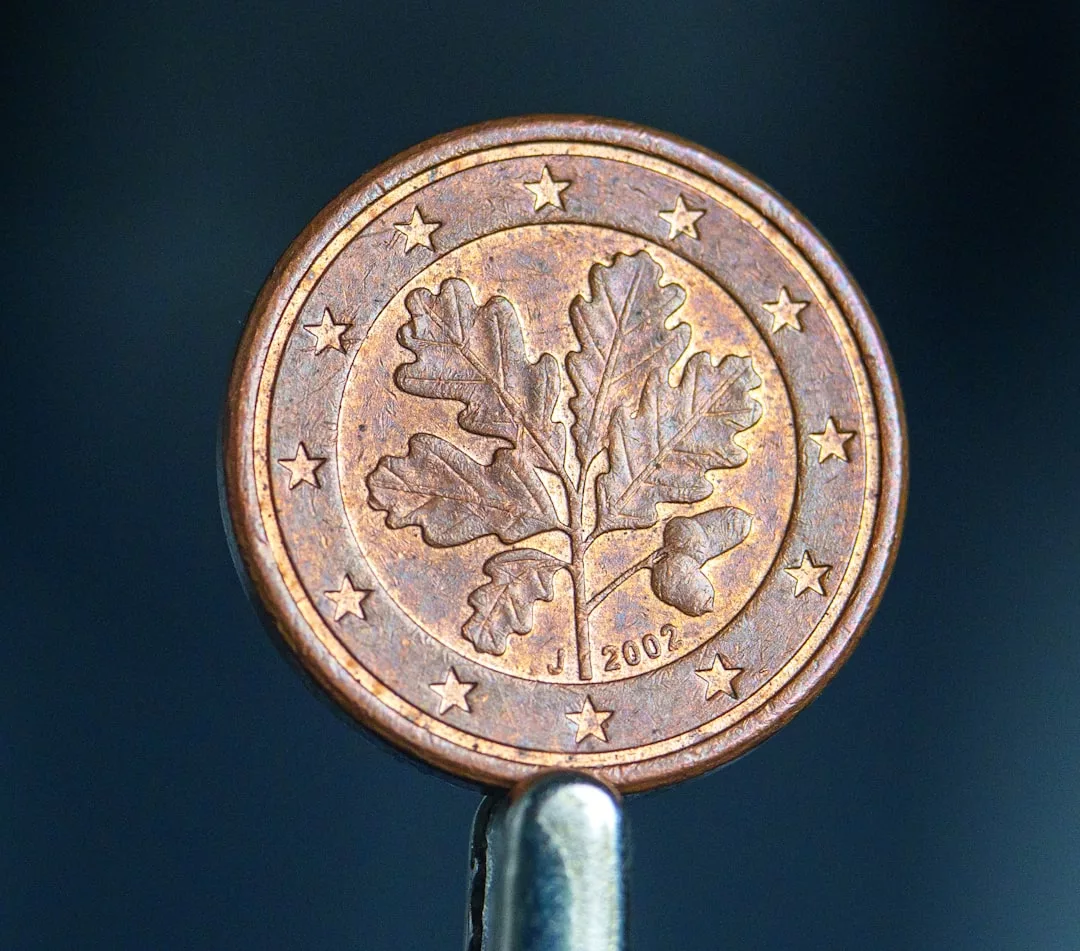
Antique jewelry possesses a unique charm that captivates collectors, fashion enthusiasts, and historians alike. Each piece tells a story, often steeped in the rich tapestry of its time, reflecting the cultural, social, and artistic movements that shaped its creation. The allure lies not only in the beauty of the designs but also in the mystery surrounding their origins.
When one wears or admires antique jewelry, they are not merely appreciating an accessory; they are engaging with history itself. The intricate details, the patina of age, and the craftsmanship evoke a sense of nostalgia and connection to the past that modern jewelry often lacks. Moreover, antique jewelry often embodies a sense of individuality that is increasingly rare in contemporary fashion.
In an era dominated by mass production, these unique pieces stand out as symbols of personal expression and heritage. Whether it’s a Victorian brooch adorned with intricate floral motifs or an Art Deco ring featuring geometric patterns, each item is a testament to the artistry and skill of its maker. This individuality appeals to those who seek to differentiate themselves from the crowd, making antique jewelry not just an accessory but a statement of identity and taste.
Key Takeaways
- Antique jewelry holds a timeless allure and charm that captivates collectors and enthusiasts alike.
- The history and significance of antique jewelry reflects the cultural and artistic influences of different time periods.
- The craftsmanship and artistry of antique jewelry showcase the skill and creativity of master artisans.
- Antique jewelry holds value and investment potential due to its rarity, historical significance, and enduring appeal.
- There are different types and styles of antique jewelry, including Victorian, Art Deco, and Retro designs, each with its own unique characteristics.
The History and Significance of Antique Jewelry
The history of antique jewelry is as diverse as the cultures that produced it. From ancient civilizations to modern times, jewelry has served various purposes, ranging from adornment to status symbols, religious artifacts, and even talismans believed to possess protective qualities. For instance, ancient Egyptians crafted intricate gold jewelry adorned with precious stones, which not only showcased their wealth but also held spiritual significance in their burial practices.
Similarly, during the Renaissance, jewelry became a medium for artistic expression, with pieces often featuring elaborate designs that reflected the era’s fascination with nature and mythology. The significance of antique jewelry extends beyond its aesthetic appeal; it serves as a tangible link to our past. Each piece encapsulates the values, beliefs, and technological advancements of its time.
For example, Georgian jewelry often featured motifs inspired by nature and romanticism, reflecting the societal shifts towards individualism and emotional expression during that period. Understanding the historical context of these pieces enriches our appreciation for them and allows us to see them as more than mere objects but as artifacts that have witnessed the passage of time.
The Craftsmanship and Artistry of Antique Jewelry
The craftsmanship involved in creating antique jewelry is often unparalleled, showcasing techniques that have been refined over centuries. Artisans employed methods such as hand engraving, enameling, and stone setting that require immense skill and patience. For instance, the technique of cloisonné enameling, which involves creating compartments (cloisons) on a metal surface to hold colored enamel, was widely used in Byzantine jewelry.
This meticulous process results in vibrant designs that have stood the test of time, demonstrating not only artistic vision but also technical prowess. Furthermore, the artistry of antique jewelry is often characterized by its attention to detail and use of high-quality materials. Many pieces were crafted using precious metals like gold and silver, often alloyed with other metals to enhance durability and color.
The use of gemstones was also prevalent; lapis lazuli, emeralds, and diamonds were commonly set into intricate designs that highlighted their natural beauty. This combination of quality materials and skilled craftsmanship results in pieces that are not only visually stunning but also enduring, making them cherished heirlooms passed down through generations.
The Value and Investment Potential of Antique Jewelry
Antique jewelry has increasingly become recognized as a viable investment option. Unlike contemporary pieces that may depreciate in value due to trends and mass production, antique jewelry often appreciates over time due to its rarity and historical significance. Collectors are particularly drawn to pieces from specific periods or those created by renowned artisans, as these factors can significantly influence market value. Moreover, the investment potential of antique jewelry is bolstered by its ability to transcend fashion trends. While modern styles may come and go, antique pieces maintain a timeless appeal that can attract buyers across generations.
This enduring quality makes them not only a beautiful addition to any collection but also a strategic investment for those looking to diversify their portfolios. As more people recognize the value of unique and historically significant items, the market for antique jewelry continues to grow, making it an attractive option for both seasoned investors and newcomers alike.
The Different Types and Styles of Antique Jewelry
Antique jewelry encompasses a wide array of styles and types, each reflecting the aesthetic preferences and cultural influences of its time. One prominent category is Victorian jewelry, which spans from 1837 to 1901 during Queen Victoria’s reign. This era is characterized by romantic motifs such as hearts, flowers, and intricate filigree work.
Mourning jewelry also emerged during this period, often incorporating hair or images of deceased loved ones as a way to commemorate them. Another significant style is Art Deco jewelry, which flourished in the 1920s and 1930s. Known for its bold geometric shapes and vibrant colors, Art Deco pieces often feature materials like platinum and diamonds alongside colored gemstones such as sapphires and rubies. Additionally, there are Edwardian pieces known for their delicate lace-like designs and use of platinum settings that showcase the transition from Victorian opulence to a more refined elegance.
How to Identify and Authenticate Antique Jewelry
Examining Materials
Genuine antique jewelry is often made from high-quality metals such as gold or silver, which can be tested for purity through hallmarking or acid tests.Understanding Gemstones and Craftsmanship
Understanding the types of gemstones commonly used in different eras can help determine authenticity; for example, natural pearls were more prevalent before the advent of cultured pearls in the early 20th century. Antique pieces typically exhibit signs of handwork rather than machine production; this can include irregularities in design or slight imperfections that indicate a piece was crafted by an artisan rather than mass-produced.Identifying Manufacturers and Provenance
Familiarity with specific hallmarks or maker’s marks can also aid in identifying reputable manufacturers from various periods. Consulting with experts or appraisers who specialize in antique jewelry can provide further validation and insight into a piece’s provenance.Where to Find and Purchase Antique Jewelry
Finding authentic antique jewelry requires diligence and knowledge about where to look. Antique shops and boutiques often carry curated selections of vintage pieces; however, it’s essential to research reputable dealers who specialize in antique items to ensure quality and authenticity. Estate sales can also be treasure troves for collectors seeking unique finds at potentially lower prices than traditional retail outlets.
These sales often feature items from families looking to downsize or liquidate estates, providing opportunities to discover hidden gems. Online platforms have revolutionized the way antique jewelry is bought and sold. Websites like 1stDibs or Ruby Lane offer extensive listings from various dealers worldwide, allowing collectors to browse a vast array of styles and periods from the comfort of their homes.
However, purchasing online necessitates caution; buyers should thoroughly research sellers’ reputations and read reviews before making significant investments. Additionally, attending antique fairs or auctions can provide firsthand experiences with pieces while allowing collectors to engage directly with sellers.
Caring for and Maintaining Antique Jewelry
Proper care and maintenance are crucial for preserving the beauty and integrity of antique jewelry. Given their age and often delicate construction, these pieces require gentle handling and appropriate storage conditions. It is advisable to store antique jewelry separately in soft pouches or lined boxes to prevent scratches or tangling with other items.
Extreme temperatures or humidity can also damage certain materials; therefore, keeping them in a stable environment away from direct sunlight is essential. Cleaning antique jewelry should be approached with caution; harsh chemicals or abrasive materials can cause irreversible damage. A soft cloth can be used for routine cleaning to remove dirt or oils accumulated from wear.
For deeper cleaning or restoration needs, consulting a professional jeweler experienced in antique pieces is recommended to ensure that any work done maintains the piece’s integrity while enhancing its beauty.
Incorporating Antique Jewelry into Modern Fashion
Incorporating antique jewelry into modern fashion allows individuals to create unique looks that blend historical elegance with contemporary style. Layering vintage necklaces with modern pieces can create an eclectic aesthetic that showcases personal style while paying homage to history. For instance, pairing a delicate Edwardian pendant with minimalist clothing can add a touch of sophistication without overwhelming an outfit.
Additionally, antique rings can serve as statement pieces when worn alongside modern attire. A bold Art Deco ring can elevate a simple evening dress or add flair to casual wear when styled correctly. Accessories like brooches can be creatively used on jackets or bags for an unexpected twist that draws attention while celebrating vintage craftsmanship.
The versatility of antique jewelry makes it an excellent choice for those looking to express their individuality through fashion.
The Sentimental and Emotional Value of Antique Jewelry
Beyond their aesthetic appeal and investment potential, antique jewelry often carries deep sentimental value for individuals and families. Many pieces are passed down through generations as heirlooms, each carrying stories and memories associated with loved ones who wore them before. This emotional connection transforms these items into cherished keepsakes rather than mere accessories; they become symbols of family history and legacy.
For many people, wearing an ancestor’s piece can evoke feelings of closeness or nostalgia, serving as a tangible reminder of their heritage. Whether it’s a grandmother’s wedding ring or a mother’s vintage bracelet, these items often hold stories that transcend time, stories of love, loss, celebration, and resilience that enrich our lives today.
The Future of Antique Jewelry in the Fashion Industry
As we move further into the 21st century, the future of antique jewelry within the fashion industry appears promising yet dynamic. With growing interest in sustainability and ethical fashion practices among consumers, vintage pieces are increasingly valued for their uniqueness and reduced environmental impact compared to new production methods. This shift towards sustainable fashion has led many designers to incorporate antique elements into their collections or advocate for vintage shopping as a means of reducing waste.
Moreover, social media platforms have played a significant role in reviving interest in antique jewelry among younger generations. Influencers showcasing vintage finds alongside modern outfits have sparked curiosity about historical styles while encouraging new collectors to explore this fascinating world. As awareness continues to grow regarding the artistry behind antique pieces and their cultural significance, it is likely that antique jewelry will maintain its relevance in contemporary fashion narratives while inspiring future generations to appreciate its beauty and history.
More in
More from Jewelry
Jewelry · 8 min
Stylish Bar Jewelry: Elevate Your Look
Bar jewelry has emerged as a captivating trend in the world of accessories, captivating fashion enthusiasts and casual wearers alike. Characterized by…
Jewelry · 9 min
Unlocking the Elegance of the Emerald Cut
The emerald cut has a rich and storied history that dates back to the 15th century, originating in the lapidary practices of the Spanish and Portugues…
Jewelry · 9 min
Bangle: A Timeless Fashion Accessory
Bangle jewelry has a rich and diverse history that spans across various cultures and epochs. The origins of bangles can be traced back to ancient civi…