Jewelry · Jewelry
Unearthing the Mystique of Sapphire: A Gemstone of Elegance and Power
Sapphire, a gemstone that has captivated humanity for millennia, boasts a rich history that intertwines with various cultures and civilizations. Its earliest known use dates back t…
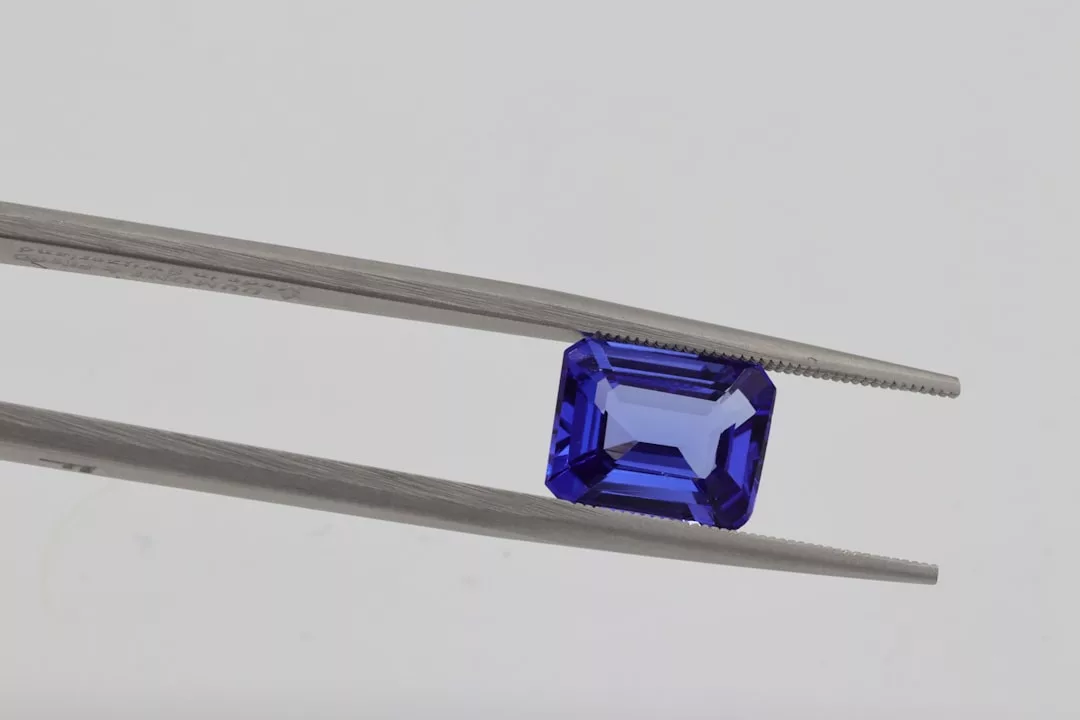
Sapphire, a gemstone that has captivated humanity for millennia, boasts a rich history that intertwines with various cultures and civilizations. Its earliest known use dates back to ancient Persia, where it was believed that the earth rested upon a giant sapphire, casting its blue hue across the sky. The ancient Greeks and Romans also held sapphires in high esteem, associating them with wisdom, nobility, and divine favor.
The Greeks believed that wearing sapphires could protect them from envy and harm, while the Romans adorned themselves with these gems as symbols of status and power. The allure of sapphire continued through the Middle Ages, where it was often used in ecclesiastical jewelry, believed to bring protection and guidance to those in positions of authority. As time progressed, the significance of sapphire evolved.
In the 19th century, the discovery of sapphires in Sri Lanka and Kashmir led to a surge in popularity, particularly among European royalty. The famed Kashmir sapphires, known for their velvety blue color and exceptional clarity, became highly sought after. The gemstone’s association with royalty was further solidified when Prince Charles proposed to Lady Diana Spencer with a stunning sapphire engagement ring in 1981, a choice that has since influenced countless couples around the world.
Today, sapphires are not only cherished for their beauty but also for their historical significance, making them a timeless choice for jewelry.
Key Takeaways
- Sapphire has been cherished for centuries, with a rich history dating back to ancient times, where it was believed to possess protective powers.
- Sapphires are formed deep within the earth’s crust, often in igneous and metamorphic rocks, and are found in various locations around the world, including Sri Lanka, Myanmar, and Australia.
- While blue sapphires are the most well-known, sapphires come in a range of colors, including pink, yellow, and green, each with its own unique beauty and appeal.
- In different cultures, sapphire is associated with wisdom, royalty, and divine favor, and has been used in jewelry and ceremonial objects for centuries.
- Sapphires have been surrounded by myths and legends, with beliefs in their ability to protect against harm, bring good fortune, and even reveal the truth.
The Geology of Sapphire: How and Where it is Formed
Sapphires are a variety of corundum, a mineral composed primarily of aluminum oxide. Their formation occurs under specific geological conditions, typically within metamorphic rocks or alluvial deposits. The process begins deep within the Earth’s crust, where high temperatures and pressures facilitate the crystallization of corundum.
This process can take millions of years, resulting in the formation of sapphires in various locations around the globe. Notably, regions such as Sri Lanka, Myanmar (Burma), Madagascar, and Australia are renowned for their sapphire deposits. The geological environment plays a crucial role in determining the quality and characteristics of sapphires.
For instance, sapphires from Kashmir are celebrated for their unique color saturation and velvety appearance, attributed to the specific mineral inclusions found in the region’s metamorphic rocks. In contrast, Australian sapphires often exhibit a more vibrant color range due to the presence of iron and titanium during their formation.
The Colors of Sapphire: Beyond the Classic Blue
While blue sapphires are undoubtedly the most recognized and sought-after variety, sapphires come in an astonishing array of colors, each with its own unique charm. The term “fancy sapphire” refers to any sapphire that is not blue, encompassing hues such as pink, yellow, green, orange, and even colorless varieties. Pink sapphires have gained significant popularity in recent years, often seen as a romantic alternative to traditional diamonds in engagement rings.
Their soft yet vibrant tones evoke feelings of love and compassion. Yellow sapphires, on the other hand, are often associated with prosperity and abundance. Their sunny disposition makes them a favorite among those seeking to attract positive energy into their lives.
Green sapphires are rarer and less commonly found in jewelry but possess a unique allure with their earthy tones. Each color variation is influenced by trace elements present during the stone’s formation; for example, chromium gives rise to pink hues while iron contributes to yellow shades. This diversity not only enhances the aesthetic appeal of sapphires but also allows individuals to choose stones that resonate with their personal style and emotional connections.
The Symbolism of Sapphire: Its Meaning in Different Cultures
Throughout history, sapphire has been imbued with rich symbolism across various cultures. In ancient Egypt, it was believed that sapphires could protect against evil spirits and bring wisdom to its wearer. The Egyptians often adorned their tombs with sapphire jewelry as offerings to the gods, signifying its importance in both life and death.
Similarly, in Hindu culture, sapphires are associated with the planet Saturn (Shani) and are thought to bring good fortune and success when worn by individuals seeking to appease this celestial body. In medieval Europe, sapphires were considered symbols of divine favor and were often worn by clergy members as a representation of heaven on earth. They were believed to promote purity and spiritual insight, making them popular choices for religious artifacts and ceremonial jewelry.
In modern times, sapphires continue to hold significant meaning; they are often given as gifts to celebrate milestones such as anniversaries or birthdays due to their association with loyalty and fidelity. This enduring symbolism ensures that sapphires remain cherished not only for their beauty but also for the deeper meanings they convey.
The Mystical Properties of Sapphire: Beliefs and Legends
Sapphire has long been associated with mystical properties and healing abilities across various cultures. In ancient times, it was believed that wearing a sapphire could protect against poison and provide clarity of thought. Many cultures regarded it as a stone of wisdom and insight; it was thought to enhance intuition and promote mental clarity.
In medieval Europe, it was common for scholars to keep sapphires close at hand while studying or engaging in intellectual pursuits. In addition to its intellectual associations, sapphire has been linked to emotional healing. Many believe that it can help soothe anxiety and promote inner peace.
In some traditions, it is said that placing a sapphire under one’s pillow can lead to prophetic dreams or heightened spiritual awareness. These beliefs have contributed to the gemstone’s allure as not just a decorative item but also a source of spiritual guidance and support throughout history.
The Famous Sapphires of the World: Stories of Notable Gems
Throughout history, several sapphires have gained notoriety due to their size, beauty, or intriguing backstories. One such gem is the Star of India, a massive 563-carat star sapphire housed at the American Museum of Natural History in New York City. Discovered in Sri Lanka in the 19th century, this remarkable stone features a stunning star effect caused by rutile inclusions within the crystal structure.
Its journey through time includes theft in 1964 and subsequent recovery, adding layers to its fascinating narrative. Another notable sapphire is the Imperial Blue Sapphire from Sri Lanka, weighing an impressive 392 carats. This gem is renowned for its deep blue color and exceptional clarity; it was once owned by the last king of Burma before being acquired by an American jeweler in the early 20th century.
Such stories not only highlight the beauty of these gemstones but also reflect their historical significance and cultural impact across different eras.
The Art of Sapphire Jewelry: Designs and Styles
Sapphire jewelry has evolved significantly over time, reflecting changing tastes and styles throughout history. From ornate Victorian pieces adorned with intricate filigree work to modern minimalist designs that emphasize the stone’s natural beauty, sapphire jewelry caters to diverse preferences. One popular style is the halo setting, where smaller diamonds encircle a central sapphire, enhancing its brilliance while providing a striking contrast.
In addition to traditional settings, contemporary designers have embraced innovative approaches to showcase sapphires in unique ways. For instance, asymmetrical designs that feature multiple colored sapphires create bold statements while allowing wearers to express their individuality. Furthermore, ethical sourcing practices have gained traction within the industry; many jewelers now prioritize conflict-free stones and sustainable materials when crafting sapphire jewelry.
This shift not only elevates the aesthetic appeal but also aligns with consumers’ growing desire for responsible luxury.
The Market for Sapphire: Trends and Values
The market for sapphires has experienced fluctuations over the years due to various factors such as supply chain dynamics, consumer preferences, and global economic conditions. In recent years, there has been a noticeable increase in demand for colored gemstones as consumers seek alternatives to traditional diamonds. Sapphires have emerged as a popular choice due to their vibrant colors and perceived value; they are often viewed as investment pieces that can appreciate over time.
Moreover, advancements in technology have made it easier for consumers to access information about sapphires’ origins and quality characteristics. Gemological laboratories now provide detailed reports on color grading, clarity assessments, and treatments applied to stones, information that empowers buyers to make informed decisions when purchasing sapphires. As awareness grows regarding ethical sourcing practices within the gemstone industry, consumers are increasingly inclined to invest in sapphires that align with their values while still offering exceptional beauty.
Caring for Sapphire: Tips for Maintenance and Preservation
To ensure that sapphires retain their brilliance over time, proper care and maintenance are essential. Unlike softer gemstones that require extra caution during wear, sapphires are relatively durable due to their hardness on the Mohs scale (9 out of 10). However, they can still be susceptible to scratches or damage if exposed to harsh chemicals or extreme conditions.
Regular cleaning is crucial; using warm soapy water and a soft brush can effectively remove dirt without compromising the stone’s integrity. When storing sapphire jewelry, it’s advisable to keep each piece separate from others to prevent scratching or tangling. A soft pouch or lined jewelry box works well for this purpose.
Additionally, it’s wise to have sapphires professionally inspected periodically, especially if they are set in intricate designs, to ensure that settings remain secure and stones are free from damage or wear.
The Future of Sapphire: Innovations and Developments in the Industry
As technology continues to advance within the gemstone industry, innovations related to sapphire production and treatment methods are emerging rapidly. Lab-grown sapphires have gained traction as an ethical alternative to mined stones; these gems possess identical physical properties while offering consumers a more sustainable option without compromising on quality or beauty. This shift towards lab-grown alternatives reflects broader trends within luxury markets where conscious consumerism is becoming increasingly prevalent.
Moreover, advancements in gemstone identification techniques have improved gemologists’ ability to distinguish between natural and synthetic stones accurately. This development enhances consumer confidence when purchasing sapphires by ensuring transparency regarding origin and authenticity, an essential factor as buyers become more discerning about their investments.
The Allure of Sapphire: Why It Continues to Captivate and Inspire
The enduring allure of sapphire lies not only in its stunning beauty but also in its rich history and multifaceted symbolism across cultures. From ancient civilizations that revered it as a divine stone to modern consumers who appreciate its versatility in jewelry design, sapphire continues to inspire awe and admiration worldwide. Its association with wisdom, loyalty, and protection resonates deeply with individuals seeking meaningful connections through gemstones.
Furthermore, as trends shift towards sustainability within luxury markets, coupled with innovations in production methods, the future of sapphire remains bright. Whether through ethically sourced natural stones or lab-grown alternatives that offer similar qualities without environmental impact, the gemstone’s legacy will undoubtedly continue captivating generations to come. As people seek unique expressions of personal style intertwined with deeper meanings behind their choices, sapphire stands poised at the forefront of this evolving narrative within contemporary culture.
More in
More from Jewelry
Jewelry · 8 min
Stylish Bar Jewelry: Elevate Your Look
Bar jewelry has emerged as a captivating trend in the world of accessories, captivating fashion enthusiasts and casual wearers alike. Characterized by…
Jewelry · 9 min
Unlocking the Elegance of the Emerald Cut
The emerald cut has a rich and storied history that dates back to the 15th century, originating in the lapidary practices of the Spanish and Portugues…
Jewelry · 9 min
Bangle: A Timeless Fashion Accessory
Bangle jewelry has a rich and diverse history that spans across various cultures and epochs. The origins of bangles can be traced back to ancient civi…