Jewelry · Jewelry
Unleashing the Power of Charm
Charm is an elusive quality that can significantly influence interpersonal relationships and social dynamics. It is often described as a magnetic appeal that draws people in, creat…
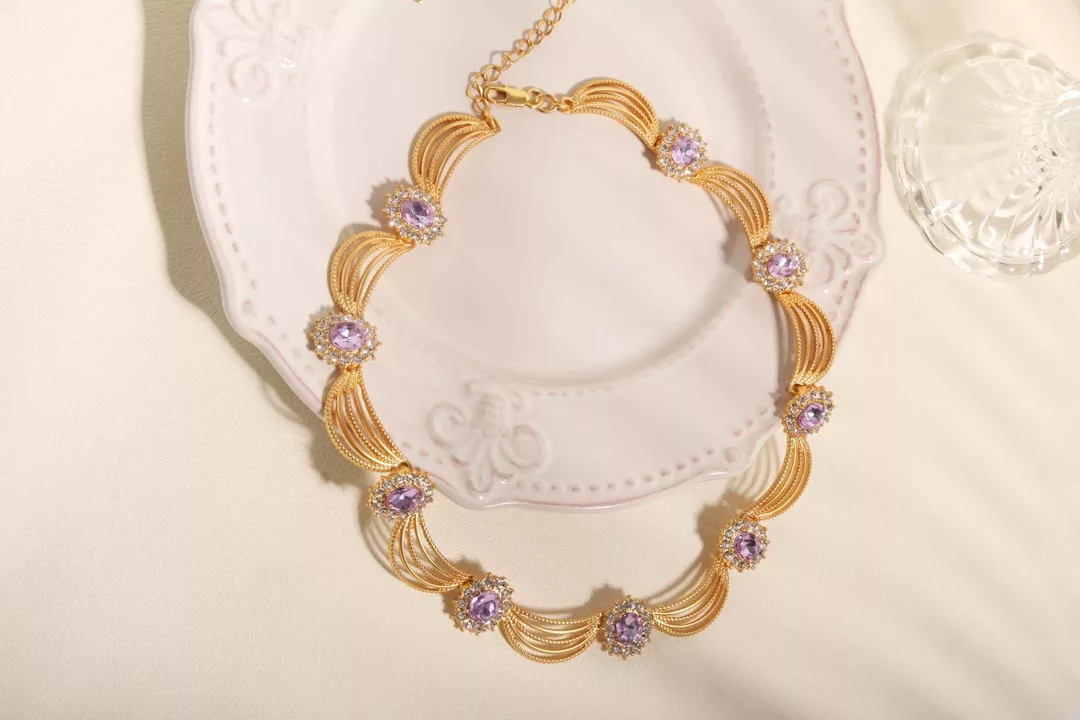
Charm is an elusive quality that can significantly influence interpersonal relationships and social dynamics. It is often described as a magnetic appeal that draws people in, creating an atmosphere of warmth and connection. The power of charm lies not only in its ability to endear individuals to one another but also in its capacity to facilitate communication, foster collaboration, and enhance social interactions.
When someone possesses charm, they can navigate complex social landscapes with ease, making others feel valued and understood. This quality can be particularly beneficial in both personal and professional contexts, where the ability to connect with others can lead to opportunities and strengthened relationships. At its core, charm is about authenticity and relatability.
It is not merely a superficial trait; rather, it encompasses a range of behaviors and attitudes that resonate with others on a deeper level. Individuals who exude charm often possess a unique blend of confidence, warmth, and approachability. They have the ability to make others feel comfortable and appreciated, which can create a positive feedback loop in social interactions.
This dynamic is crucial in various settings, from casual gatherings to formal business meetings, where establishing rapport can pave the way for successful outcomes.
Key Takeaways
- Charm is a powerful tool that can help in building genuine connections and creating positive impressions.
- The science behind charm involves understanding the psychology of human interaction and the impact of body language and communication skills.
- Developing charismatic communication skills involves active listening, using humor and wit, and cultivating empathy.
- The art of active listening is crucial in building genuine connections and understanding others’ perspectives.
- Body language plays a significant role in conveying charm and creating a positive impression.
The Science Behind Charm
The phenomenon of charm can be examined through various scientific lenses, including psychology and neuroscience. Research has shown that charm is closely linked to emotional intelligence, which encompasses the ability to recognize, understand, and manage one’s own emotions while also being attuned to the emotions of others. Individuals with high emotional intelligence are often more adept at charming others because they can read social cues and respond appropriately.
This skill allows them to create an environment where others feel safe to express themselves, thereby enhancing the overall interaction. Neuroscientific studies have also shed light on the brain’s response to charm. When we encounter someone who is charming, our brains release neurotransmitters such as oxytocin and dopamine, which are associated with feelings of trust and pleasure.
This biochemical response reinforces the connection between charm and positive social experiences. Furthermore, studies indicate that charming individuals often exhibit traits such as empathy and warmth, which are crucial for building trust and rapport. The interplay between these psychological and neurological factors underscores the complexity of charm as a social phenomenon.
Developing Charismatic Communication Skills
Charismatic communication is a skill that can be cultivated through practice and self-awareness. One of the foundational elements of charismatic communication is clarity. Being able to articulate thoughts and ideas in a clear and engaging manner captures the attention of listeners and keeps them invested in the conversation.
This involves not only choosing the right words but also structuring messages in a way that resonates with the audience. For instance, using storytelling techniques can make information more relatable and memorable, allowing the speaker to connect with listeners on an emotional level. Another critical aspect of charismatic communication is the ability to adapt one’s style to suit different audiences.
This adaptability requires keen observational skills and an understanding of social dynamics. For example, a charismatic individual may adjust their tone, pace, or even vocabulary depending on whether they are speaking to a group of colleagues in a formal meeting or engaging with friends at a casual gathering. This flexibility not only demonstrates respect for the audience but also enhances the speaker’s charm by making interactions feel more personalized and relevant.
The Art of Active Listening
Active listening is an essential component of charm that often goes overlooked. It involves fully engaging with the speaker, demonstrating genuine interest in their words, and responding thoughtfully. Active listening requires more than just hearing what someone says; it demands focus, empathy, and an open mind.
By practicing active listening, individuals can create a space where others feel valued and understood, which is a hallmark of charming interactions. To cultivate active listening skills, one must practice techniques such as paraphrasing or summarizing what the speaker has said. This not only shows that you are paying attention but also provides an opportunity for clarification if needed.
Additionally, asking open-ended questions encourages deeper dialogue and signals that you are invested in the conversation. For instance, instead of simply nodding along during a discussion about a colleague’s recent project, asking questions like “What challenges did you face?” or “What inspired your approach?
The Importance of Body Language
Body language plays a pivotal role in how charm is perceived and expressed. A warm smile or open posture can convey friendliness and approachability, while crossed arms or lack of eye contact may signal disinterest or defensiveness.
Understanding the nuances of body language allows individuals to enhance their charm by aligning their nonverbal signals with their verbal messages. Moreover, being aware of one’s own body language is crucial for self-presentation. For example, maintaining eye contact during conversations not only demonstrates confidence but also fosters trust between individuals.
Similarly, mirroring the body language of others can create a sense of rapport and connection. This technique involves subtly mimicking gestures or postures, which can make interactions feel more harmonious and engaging. By mastering body language, individuals can amplify their charm and create more meaningful connections with those around them.
Building Genuine Connections
At the heart of charm lies the ability to build genuine connections with others. This process involves moving beyond superficial interactions to establish deeper relationships based on trust and mutual understanding. To foster genuine connections, individuals must prioritize authenticity in their interactions.
This means being true to oneself while also being open to understanding others’ perspectives and experiences. One effective way to build genuine connections is through shared experiences. Engaging in activities together, whether it’s collaborating on a project at work or participating in community events, can create bonds that transcend mere acquaintance.
These shared moments provide opportunities for individuals to learn more about each other’s values, interests, and aspirations, thereby deepening their connection. Additionally, expressing vulnerability by sharing personal stories or challenges can invite others to do the same, fostering an environment of openness that enhances charm.
Using Humor and Wit to Charm Others
Humor is a powerful tool in the arsenal of charm. When used appropriately, it can break down barriers, lighten tense situations, and create an atmosphere of camaraderie. A well-timed joke or playful banter can make interactions more enjoyable and memorable.
However, it is essential to navigate humor carefully; what may be funny to one person could be offensive or misunderstood by another. Understanding your audience is key to using humor effectively. Wit often involves cleverness or quick thinking that adds an element of surprise to conversations.
It can manifest in playful teasing or light-hearted commentary that showcases one’s personality while also engaging others. For instance, during a team meeting where tension may be high due to looming deadlines, injecting humor into discussions can alleviate stress and foster a more collaborative spirit among team members. By creating moments of levity through humor and wit, individuals can enhance their charm while simultaneously strengthening relationships.
The Role of Empathy in Charm
Empathy is a cornerstone of charm that enables individuals to connect with others on a profound level. It involves not only understanding another person’s feelings but also validating those emotions through compassionate responses. Empathetic individuals are often perceived as more charming because they create an environment where others feel seen and heard.
This quality fosters trust and encourages open communication. To cultivate empathy as part of one’s charm arsenal, it is essential to practice perspective-taking, putting oneself in another person’s shoes to understand their experiences better. This may involve asking questions about how someone feels or reflecting on similar experiences one has had in the past.
By demonstrating empathy through active engagement and validation of emotions, individuals can create deeper connections that enhance their overall charm.
Overcoming Obstacles to Charm
While charm can be cultivated, various obstacles may hinder its expression. Personal insecurities or social anxiety can create barriers that prevent individuals from fully engaging with others or showcasing their charming qualities. Recognizing these obstacles is the first step toward overcoming them; self-awareness allows individuals to identify triggers that may inhibit their ability to connect with others.
Building confidence is crucial for overcoming these challenges. Engaging in self-reflection and seeking feedback from trusted friends or mentors can help individuals identify areas for improvement while also reinforcing their strengths. Additionally, practicing social skills in low-pressure environments, such as casual gatherings or community events, can provide valuable opportunities for growth without the fear of judgment.
By gradually stepping out of their comfort zones, individuals can enhance their charm over time.
Applying Charm in Professional Settings
In professional environments, charm can be a significant asset that influences career advancement and workplace dynamics. Charismatic individuals often excel in networking situations because they create positive impressions that linger long after initial encounters. Building rapport with colleagues or clients through charming interactions can lead to fruitful collaborations and opportunities for growth within organizations.
Moreover, charm plays a vital role in leadership effectiveness. Leaders who exhibit charm are often more approachable and relatable, fostering an environment where team members feel comfortable sharing ideas or concerns. This openness encourages innovation and collaboration while also enhancing team morale.
For instance, a leader who takes the time to engage with employees on a personal level, asking about their interests or acknowledging their contributions, can cultivate loyalty and commitment within their team.
Cultivating Charm in Everyday Life
Cultivating charm need not be confined to specific settings; it can be integrated into everyday life through simple yet impactful practices. Engaging with strangers, whether it’s striking up conversations with baristas or complimenting fellow commuters, can enhance one’s social skills while spreading positivity in daily interactions. These small gestures contribute to an overall charming demeanor that resonates with those around you.
Additionally, practicing gratitude can amplify one’s charm by fostering a positive outlook on life. Expressing appreciation for others, whether through verbal acknowledgments or handwritten notes, creates an atmosphere of kindness that encourages reciprocal behavior. By making an effort to cultivate charm in everyday life through genuine interactions and expressions of gratitude, individuals can enrich their relationships while enhancing their overall well-being.
In summary, charm is a multifaceted quality that encompasses various skills and attributes essential for building meaningful connections with others. By understanding its power, developing communication skills, practicing active listening, utilizing body language effectively, fostering genuine connections through empathy and humor, overcoming personal obstacles, applying charm professionally, and integrating it into daily life, individuals can cultivate this invaluable trait that enhances both personal fulfillment and social interactions.
More in
More from Jewelry

Jewelry · 8 min
Stylish Bar Jewelry: Elevate Your Look
Bar jewelry has emerged as a captivating trend in the world of accessories, captivating fashion enthusiasts and casual wearers alike. Characterized by…

Jewelry · 9 min
Unlocking the Elegance of the Emerald Cut
The emerald cut has a rich and storied history that dates back to the 15th century, originating in the lapidary practices of the Spanish and Portugues…

Jewelry · 9 min
Bangle: A Timeless Fashion Accessory
Bangle jewelry has a rich and diverse history that spans across various cultures and epochs. The origins of bangles can be traced back to ancient civi…