News · News
Unlock the Secret to Radiant Skin with Beauty Sleep
Beauty sleep is more than just a catchy phrase; it encapsulates the vital relationship between sleep and skin health. During sleep, the body undergoes a series of restorative proce…
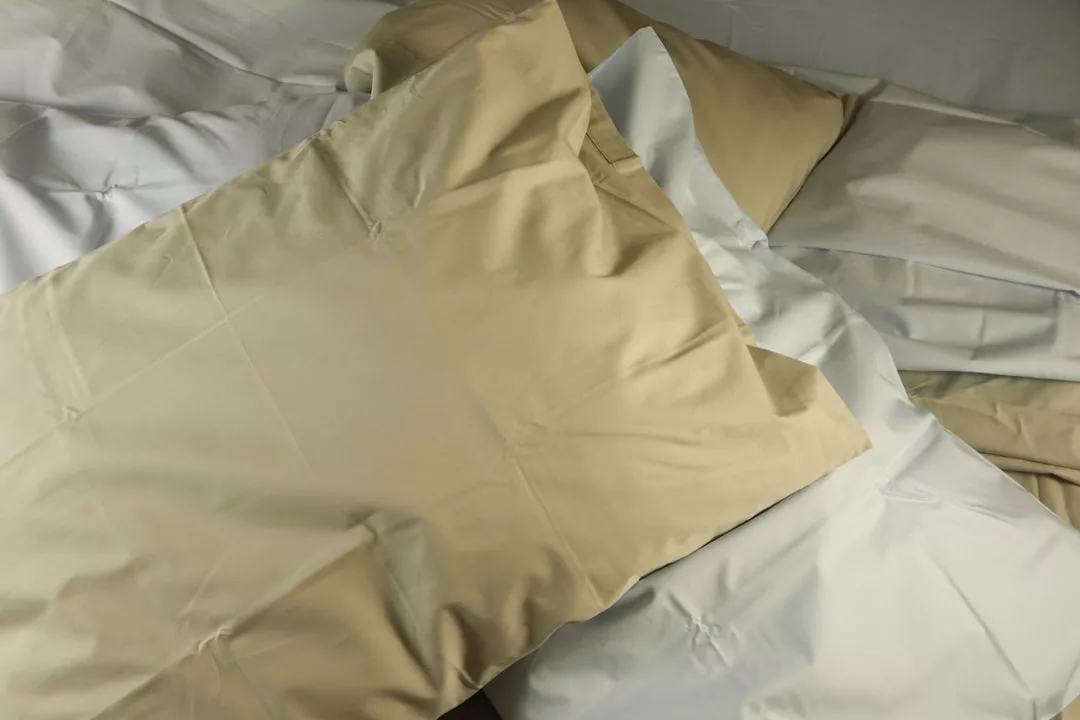
Beauty sleep is more than just a catchy phrase; it encapsulates the vital relationship between sleep and skin health. During sleep, the body undergoes a series of restorative processes that are crucial for maintaining vibrant and youthful skin. The skin, being the largest organ, requires adequate rest to repair itself from daily damage caused by environmental factors such as pollution, UV rays, and stress.
When we sleep, our bodies produce growth hormones that facilitate cell regeneration and repair, leading to a more radiant complexion. This regenerative process is particularly pronounced during deep sleep stages, where the body focuses on healing and rejuvenation. Moreover, beauty sleep plays a significant role in maintaining the skin’s moisture balance.
During the night, the skin’s barrier function is enhanced, allowing it to retain moisture more effectively. This is essential for preventing dryness and promoting a plump, healthy appearance. Insufficient sleep can disrupt this natural process, leading to dullness and uneven skin tone.
Therefore, prioritizing quality sleep is not merely a luxury but a necessity for anyone seeking to achieve and maintain radiant skin.
Key Takeaways
- Beauty sleep is crucial for achieving radiant skin
- Lack of sleep can lead to dull, tired-looking skin
- Science shows that sleep is essential for skin health and repair
- Tips for getting a good night’s sleep can improve skin condition
- A nighttime skincare routine is important for maintaining healthy skin
How Lack of Sleep Can Affect Your Skin
The repercussions of inadequate sleep extend far beyond mere fatigue; they manifest prominently on the skin. One of the most immediate effects of sleep deprivation is the appearance of dark circles and puffiness around the eyes. This occurs due to increased blood flow and fluid retention in the delicate under-eye area, resulting in a tired and aged appearance.
Additionally, lack of sleep can exacerbate skin conditions such as acne and eczema. Stress hormones like cortisol surge when we are sleep-deprived, leading to increased oil production and inflammation, which can trigger breakouts. Furthermore, chronic sleep deprivation can accelerate the aging process of the skin.
Studies have shown that individuals who consistently get less than seven hours of sleep per night exhibit more fine lines, wrinkles, and sagging skin compared to their well-rested counterparts. This is largely due to the decreased production of collagen and elastin, two proteins essential for maintaining skin elasticity and firmness. Over time, the cumulative effects of poor sleep can lead to a complexion that appears older than one’s actual age.
The Science Behind Beauty Sleep and Skin Health
The science behind beauty sleep is rooted in the body’s circadian rhythms and hormonal cycles. During the night, particularly in the deeper stages of sleep, the body ramps up its production of melatonin, a hormone that not only regulates sleep-wake cycles but also acts as a powerful antioxidant. Melatonin helps combat oxidative stress caused by free radicals, which can damage skin cells and accelerate aging.
This antioxidant effect is crucial for maintaining skin health and preventing premature signs of aging. Additionally, during sleep, the body increases blood flow to the skin, delivering essential nutrients and oxygen while flushing out toxins. This process is vital for cellular repair and regeneration.
Research indicates that individuals who experience disrupted sleep patterns often have compromised skin barrier function, making them more susceptible to irritants and allergens. The interplay between sleep quality and skin health underscores the importance of establishing a consistent sleep schedule to optimize these restorative processes.
Tips for Getting a Good Night’s Sleep for Better Skin
Achieving quality sleep requires intentionality and a few lifestyle adjustments. One effective strategy is to establish a consistent bedtime routine that signals to your body that it’s time to wind down. This could include activities such as reading a book, practicing gentle yoga, or engaging in mindfulness meditation.
Limiting screen time at least an hour before bed is also crucial; the blue light emitted by devices can interfere with melatonin production and disrupt your circadian rhythm. Creating an optimal sleep environment can significantly enhance your ability to fall asleep and stay asleep.
A cool, dark room is conducive to better sleep quality. Investing in blackout curtains or using a white noise machine can help create an ideal atmosphere for rest. Additionally, incorporating relaxation techniques such as deep breathing exercises or aromatherapy with calming essential oils like lavender can further promote relaxation and improve overall sleep quality.
The Best Skincare Routine for Nighttime
A nighttime skincare routine is essential for maximizing the benefits of beauty sleep. As your skin undergoes repair during the night, it’s crucial to provide it with the right products that support this process. Start with a gentle cleanser to remove makeup, dirt, and impurities accumulated throughout the day.
Following cleansing, applying a toner can help balance the skin’s pH levels and prepare it for subsequent products. Next, serums packed with active ingredients such as hyaluronic acid or retinol can be applied to target specific concerns like hydration or fine lines. Hyaluronic acid draws moisture into the skin, while retinol promotes cell turnover and collagen production.
Finally, sealing in all these beneficial ingredients with a nourishing moisturizer will help lock in hydration overnight. For those with specific concerns like dark spots or uneven texture, incorporating targeted treatments can further enhance your nighttime regimen.
How to Choose the Right Pillowcase for Your Skin
The choice of pillowcase can significantly impact your skin’s health during sleep. Traditional cotton pillowcases may absorb moisture from your skin and hair throughout the night, potentially leading to dryness and irritation. Silk or satin pillowcases are often recommended as they create less friction against the skin, reducing the likelihood of creases and irritation that can contribute to premature aging.
Silk pillowcases also have hypoallergenic properties that can benefit those with sensitive skin or allergies. They are less likely to harbor dust mites or other allergens compared to cotton fabrics. Additionally, silk helps maintain your skincare products on your face rather than absorbing them into the fabric.
When selecting a pillowcase, consider opting for high-quality silk with a higher momme weight for durability and comfort.
Foods and Drinks to Avoid Before Bed for Clearer Skin
Diet plays an integral role in skin health, particularly when it comes to what you consume before bedtime. Certain foods and drinks can exacerbate skin issues or disrupt your sleep quality. For instance, consuming high-sugar snacks or refined carbohydrates can lead to spikes in insulin levels, which may trigger inflammation and breakouts.
Foods rich in sugar can also contribute to glycation: a process that damages collagen and elastin fibers in the skin. Caffeine is another culprit that should be avoided in the hours leading up to bedtime. It not only disrupts sleep patterns but can also lead to dehydration, which negatively affects skin appearance.
Alcohol consumption before bed may initially induce drowsiness but often leads to disrupted sleep cycles later in the night. Instead of reaching for these problematic foods and drinks, consider opting for lighter snacks such as almonds or herbal teas that promote relaxation without compromising your skin health.
The Benefits of Using Overnight Beauty Products
Overnight beauty products are specifically formulated to work in harmony with your body’s natural repair processes during sleep. These products often contain potent ingredients designed to penetrate deeply into the skin while you rest. For example, overnight masks infused with antioxidants or peptides can help rejuvenate tired skin by providing intense hydration and nourishment.
Using overnight beauty products allows for extended contact time with active ingredients compared to daytime applications when exposure to environmental stressors is higher. This prolonged interaction enhances their effectiveness in addressing specific concerns such as dryness or signs of aging. Incorporating an overnight treatment into your skincare routine can yield noticeable improvements by morning, leaving you with a refreshed and revitalized complexion.
How Stress and Anxiety Can Impact Your Skin and Sleep
The relationship between stress, anxiety, and skin health is complex yet significant. When faced with stressors, the body releases cortisol, a hormone that can lead to increased oil production in the skin and exacerbate conditions like acne or rosacea. Chronic stress can also impair the skin’s barrier function, making it more susceptible to irritants and infections.
Moreover, anxiety often disrupts sleep patterns, creating a vicious cycle where poor sleep exacerbates stress levels while heightened stress further impairs sleep quality. Techniques such as mindfulness meditation or cognitive behavioral therapy (CBT) can be effective in managing stress levels and improving both mental well-being and skin health. By addressing underlying stressors through healthy coping mechanisms, individuals can foster an environment conducive to better sleep and clearer skin.
The Connection Between Sleep and Skin Aging
The connection between sleep quality and skin aging is well-documented in dermatological research. As previously mentioned, inadequate sleep leads to decreased collagen production, a critical factor in maintaining youthful skin elasticity. Over time, this reduction contributes to visible signs of aging such as sagging skin and pronounced wrinkles.
Additionally, poor sleep quality has been linked to increased oxidative stress within the body, which accelerates cellular aging processes. The cumulative effects of chronic sleep deprivation manifest not only in physical appearance but also in overall health; individuals who prioritize restorative sleep tend to exhibit healthier lifestyles that further support youthful skin appearance. By recognizing this connection between sleep habits and aging processes, individuals can take proactive steps toward preserving their youthful glow.
Creating a Relaxing Bedtime Ritual for Healthier Skin
Establishing a calming bedtime ritual is essential for promoting both restful sleep and healthy skin. Begin by dimming lights around your home an hour before bed; this helps cue your body’s natural circadian rhythms.
Incorporating soothing activities such as reading a book or practicing gentle stretches can further enhance relaxation levels before sleep. Consider integrating skincare into this ritual; applying your nighttime products mindfully allows you to connect with your self-care routine while promoting relaxation through tactile sensations. Additionally, engaging in deep breathing exercises or listening to calming music can help ease tension accumulated throughout the day.
By prioritizing both relaxation techniques and skincare practices within your bedtime ritual, you create an environment conducive not only to better sleep but also to healthier skin over time. This holistic approach recognizes that beauty truly begins with self-care, both inside and out.
More in
More from News

News · 15 min
Future of Luxury Fashion: Innovation, Technology, and the Next Frontier
Discover the future of luxury fashion: how AI, blockchain, digital couture, bio-fabricated materials and sustainability are reshaping maisons and the …

News · 15 min
Celebrity Style Guide: Decoding the Fashion of the Famous
Decode celebrity style: how stylists, red carpet partnerships, and social media shape fashion, plus archetypes and tips to build a celebrity-inspired …
News · 14 min
Luxury Lifestyle Guide: Curating the Art of Living Well
Discover the luxury lifestyle as the art of living well: quiet luxury in travel, wine, home design, wardrobe, watches, and wellness, curated with inte…