News · News
Unlocking Cultural Connections: The Power of Language Exchange
Language exchange serves as a vital conduit for cultural understanding, bridging the gap between diverse communities and fostering a sense of global citizenship. At its core, langu…
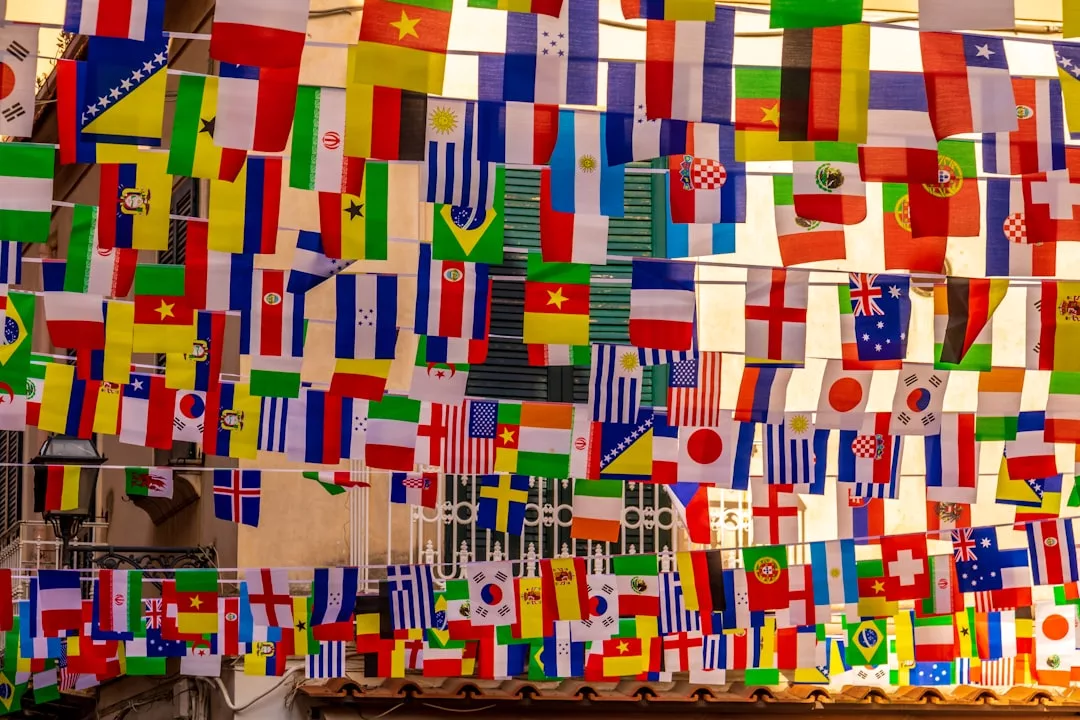
Language exchange serves as a vital conduit for cultural understanding, bridging the gap between diverse communities and fostering a sense of global citizenship. At its core, language is not merely a tool for communication; it embodies the values, traditions, and histories of the people who speak it. Engaging in language exchange allows individuals to immerse themselves in the nuances of another culture, gaining insights that go beyond vocabulary and grammar.
For instance, when a native English speaker partners with a Spanish speaker, they not only learn the mechanics of each other’s languages but also explore cultural references, idiomatic expressions, and social norms that shape their respective societies. Moreover, language exchange promotes an appreciation for cultural diversity. As participants share their linguistic backgrounds, they often recount personal stories that reflect their cultural heritage.
This storytelling aspect enriches the learning experience, as it provides context to the language being learned. For example, a French speaker might explain the significance of certain phrases used during national holidays, while a Mandarin speaker could share the cultural importance of family gatherings during the Lunar New Year. Such exchanges cultivate a deeper understanding of how language and culture are intertwined, ultimately fostering respect and appreciation for differences.
Key Takeaways
- Language exchange is crucial for fostering cultural understanding and breaking down barriers between people from different backgrounds.
- Engaging in language exchange can help individuals develop empathy and respect for other cultures, leading to more harmonious global interactions.
- By participating in language exchange, individuals can overcome stereotypes and misconceptions, leading to more meaningful and inclusive intercultural communication.
- Language exchange plays a significant role in building global connections and promoting diversity, ultimately contributing to a more connected world.
- Through language exchange programs, individuals can enhance their language skills and cultural competence, leading to personal and professional growth.
How Language Exchange Fosters Empathy and Respect for Other Cultures
Empathy is a cornerstone of effective communication and understanding, and language exchange plays a pivotal role in nurturing this essential quality. When individuals engage in conversations with speakers from different backgrounds, they are often confronted with perspectives that challenge their own beliefs and assumptions. This exposure encourages participants to step outside their comfort zones and consider viewpoints that may differ significantly from their own.
For instance, a language exchange partner from Brazil might share their experiences regarding social issues, prompting their counterpart to reflect on similar challenges within their own society. Furthermore, language exchange fosters respect for other cultures by highlighting the richness and complexity of diverse traditions. As learners delve into the intricacies of another language, they often encounter cultural practices that may seem foreign or unusual at first glance.
However, through open dialogue and shared experiences, participants can develop a greater appreciation for these differences. For example, discussing the concept of “hygge” in Danish culture can lead to conversations about the importance of coziness and togetherness, allowing learners to recognize the value placed on community in different societies. This mutual respect not only enhances interpersonal relationships but also contributes to a more harmonious global community.
Breaking Down Language Barriers through Language Exchange
Language barriers can often hinder effective communication and create misunderstandings between individuals from different linguistic backgrounds. Language exchange serves as an effective means of dismantling these barriers by providing a platform for learners to practice their skills in a supportive environment. Through regular interaction with native speakers, individuals can gain confidence in their language abilities while simultaneously improving their fluency. Additionally, language exchange encourages participants to embrace mistakes as part of the learning process. In traditional classroom settings, learners may feel apprehensive about making errors due to fear of judgment.
However, in a language exchange context, partners often share similar challenges and can empathize with one another’s struggles. This shared experience fosters a sense of camaraderie and encourages learners to take risks in their language use. For example, an Italian speaker might mispronounce a word while conversing with a French partner; rather than feeling embarrassed, they can laugh it off together and learn from the experience.
This collaborative approach not only breaks down language barriers but also cultivates a positive learning atmosphere.
The Role of Language Exchange in Building Global Connections
In an increasingly interconnected world, building global connections is more important than ever. Language exchange serves as a powerful tool for establishing relationships across borders and fostering international collaboration. By engaging with individuals from different countries, participants can expand their networks and gain insights into various industries and cultures.
For instance, a student studying international relations may connect with peers from different nations through language exchange programs, allowing them to discuss global issues from multiple perspectives. Moreover, language exchange can facilitate professional opportunities by connecting individuals with potential collaborators or mentors in their fields of interest. For example, a marketing professional seeking to expand their business into Latin America might engage in language exchange with a native Spanish speaker who has experience in that market.
Through their conversations, they can gain valuable insights into local customs, consumer behavior, and effective marketing strategies. This not only enhances the professional’s understanding of the market but also establishes a foundation for future collaboration.
Enhancing Language Skills and Cultural Competence through Language Exchange
Language exchange is an effective method for enhancing both language skills and cultural competence simultaneously. As participants engage in conversations with native speakers, they are exposed to authentic language use that goes beyond textbook examples. This exposure allows learners to grasp colloquial expressions, slang, and regional dialects that are often overlooked in formal education settings.
For instance, an English learner might discover that certain phrases have different meanings depending on the context or region in which they are used. Cultural competence is equally important in today’s globalized society. Language exchange provides learners with opportunities to explore cultural nuances that influence communication styles and social interactions.
For example, an American English speaker might learn about the concept of “saving face” in Asian cultures during their conversations with a Mandarin speaker. Understanding such cultural subtleties can significantly enhance one’s ability to navigate cross-cultural interactions effectively. By developing both language skills and cultural competence through language exchange, individuals become more adept at engaging with diverse communities.
Overcoming Stereotypes and Misconceptions through Language Exchange
Stereotypes and misconceptions often arise from a lack of understanding or exposure to different cultures. Language exchange serves as an antidote to these issues by facilitating direct interactions between individuals from diverse backgrounds. Through meaningful conversations, participants can challenge preconceived notions and gain a more nuanced understanding of each other’s cultures.
For instance, an American learner might hold certain stereotypes about Middle Eastern cultures; however, through engaging with a native Arabic speaker, they may discover shared values and experiences that contradict those stereotypes. Additionally, language exchange encourages participants to confront their biases and assumptions head-on. As learners share personal stories and experiences related to their cultural backgrounds, they can dispel myths and foster greater understanding.
For example, discussing the daily life of someone living in Mexico can reveal complexities that challenge simplistic views often portrayed in media narratives. This process not only broadens participants’ perspectives but also cultivates empathy and respect for others.
The Impact of Language Exchange on Personal and Professional Growth
Engaging in language exchange can have profound effects on both personal and professional growth. On a personal level, individuals often find that learning a new language opens doors to new friendships and experiences that enrich their lives. The connections formed during language exchange can lead to lasting relationships that transcend geographical boundaries.
For instance, two participants who initially met through an online platform may eventually decide to visit each other’s countries, deepening their bond through shared experiences. Professionally, language exchange can enhance career prospects by equipping individuals with valuable skills sought after in today’s global job market. Bilingualism or multilingualism is increasingly regarded as an asset by employers who value employees capable of navigating diverse environments.
For example, a healthcare professional who engages in language exchange may become proficient in communicating with patients from different linguistic backgrounds, ultimately improving patient care and outcomes. This ability not only enhances their employability but also contributes positively to their professional reputation.
Creating Meaningful Relationships and Connections through Language Exchange
The essence of language exchange lies in its ability to foster meaningful relationships between individuals from different cultures. These connections often extend beyond mere language practice; they evolve into friendships built on mutual respect and understanding. Participants frequently find themselves sharing personal anecdotes, cultural traditions, and even culinary experiences during their exchanges.
For instance, an Italian learner might invite their English-speaking partner to try traditional pasta dishes while discussing family recipes passed down through generations. Moreover, these relationships can lead to collaborative projects or initiatives that promote cultural exchange on a larger scale. For example, two partners who share a passion for art might decide to organize an exhibition showcasing works from both cultures.
Such initiatives not only strengthen their bond but also contribute to greater awareness and appreciation of cultural diversity within their communities.
The Influence of Language Exchange on Intercultural Communication
Intercultural communication is essential in our globalized world, where individuals frequently interact across cultural boundaries. Language exchange plays a significant role in enhancing intercultural communication skills by providing participants with practical experience navigating diverse communication styles. Through regular interactions with speakers from different cultures, learners become more attuned to non-verbal cues, contextual nuances, and varying levels of formality that characterize different languages. This understanding can significantly impact how they approach future interactions with Japanese speakers or individuals from similar cultural backgrounds. By honing their intercultural communication skills through language exchange, participants become more effective communicators capable of fostering positive relationships across cultures.
Promoting Diversity and Inclusivity through Language Exchange Programs
Language exchange programs inherently promote diversity and inclusivity by bringing together individuals from various backgrounds and experiences. These programs create safe spaces where participants can share their unique perspectives while learning from one another. By actively engaging with diverse communities through language exchange, individuals contribute to breaking down barriers that perpetuate discrimination or exclusion based on linguistic or cultural differences.
Furthermore, many organizations are now recognizing the importance of inclusivity within language exchange initiatives by implementing programs specifically designed for underrepresented groups or marginalized communities. For example, some universities offer scholarships for international students to participate in language exchange programs aimed at fostering cross-cultural understanding among diverse student populations. Such efforts not only enhance the learning experience but also contribute to creating more equitable opportunities for all participants.
Harnessing the Power of Language Exchange for a More Connected World
In an era marked by rapid globalization and technological advancement, harnessing the power of language exchange is crucial for fostering connections across cultures. As individuals engage in meaningful conversations with speakers from different backgrounds, they contribute to building bridges that transcend geographical boundaries. These connections have the potential to create collaborative networks that address global challenges such as climate change, social justice issues, or public health crises.
Moreover, technology has revolutionized the way language exchange occurs by providing platforms that facilitate virtual interactions between learners worldwide. Online tools such as video conferencing applications enable participants to connect regardless of physical distance or time zones. This accessibility allows for greater participation in language exchange programs while promoting cross-cultural dialogue on a global scale.
By embracing the power of language exchange as a means of fostering understanding and connection among diverse communities, we can work towards creating a more inclusive world where cultural differences are celebrated rather than feared. Through these exchanges, whether they occur face-to-face or virtually, individuals have the opportunity not only to learn new languages but also to cultivate empathy, respect, and appreciation for one another’s unique stories and experiences.
More in
More from News

News · 15 min
Future of Luxury Fashion: Innovation, Technology, and the Next Frontier
Discover the future of luxury fashion: how AI, blockchain, digital couture, bio-fabricated materials and sustainability are reshaping maisons and the …

News · 15 min
Celebrity Style Guide: Decoding the Fashion of the Famous
Decode celebrity style: how stylists, red carpet partnerships, and social media shape fashion, plus archetypes and tips to build a celebrity-inspired …

News · 14 min
Luxury Lifestyle Guide: Curating the Art of Living Well
Discover the luxury lifestyle as the art of living well: quiet luxury in travel, wine, home design, wardrobe, watches, and wellness, curated with inte…