News · News
Unlocking Inner Peace: The Power of Yoga Practice
Yoga is an ancient discipline that originated in India over 5,000 years ago, intertwining physical postures, breath control, meditation, and ethical principles into a holistic prac…
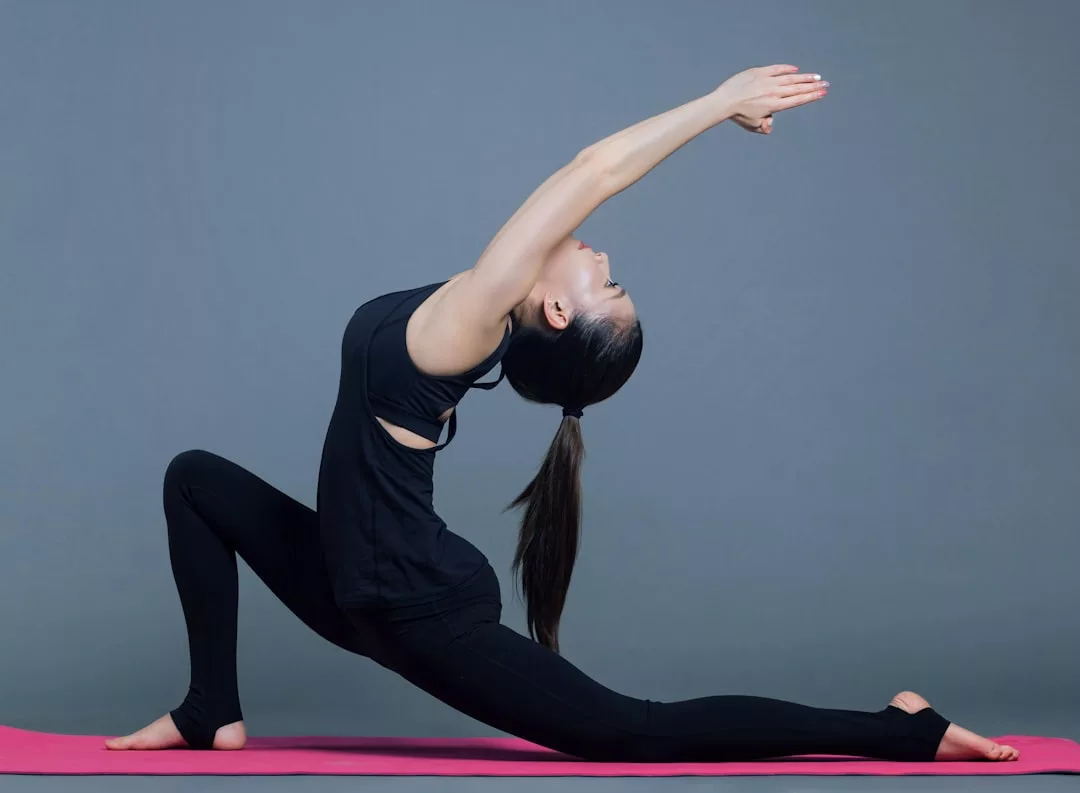
Yoga is an ancient discipline that originated in India over 5,000 years ago, intertwining physical postures, breath control, meditation, and ethical principles into a holistic practice aimed at fostering harmony between body, mind, and spirit. The term “yoga” itself is derived from the Sanskrit word “yuj,” which means to unite or join. This unification is not merely physical; it encompasses the integration of the individual self with the universal consciousness.
The practice of yoga has evolved over centuries, adapting to various cultures and philosophies, yet its core principles remain steadfast. At its essence, yoga is a journey of self-exploration and transformation.
The practice can take many forms, from the dynamic sequences of Vinyasa to the restorative postures of Yin Yoga. Each style offers unique benefits and appeals to different individuals based on their needs and preferences. Regardless of the approach, the underlying goal remains consistent: to cultivate awareness and foster a sense of connection with oneself and the world around.
Key Takeaways
- Yoga is a practice that combines physical postures, breathing exercises, and meditation to promote overall well-being and inner peace.
- The physical benefits of yoga include increased flexibility, strength, and balance, as well as improved posture and reduced risk of injury.
- Yoga has numerous mental benefits, such as reducing stress and anxiety, improving focus and concentration, and promoting a sense of calm and relaxation.
- Cultivating mindfulness through yoga involves being fully present in the moment, observing thoughts and sensations without judgment, and developing a greater awareness of the body and mind.
- Connecting with the breath in yoga practice is essential for calming the mind, increasing energy, and promoting a sense of inner peace and balance.
The Physical Benefits of Yoga
The physical benefits of yoga are perhaps the most immediately recognizable aspect of the practice. Engaging in regular yoga sessions can lead to increased flexibility, strength, and balance. Many practitioners find that their range of motion improves significantly as they consistently work through various asanas (postures).
For instance, poses like Downward Dog and Warrior II not only stretch the muscles but also build strength in the arms, legs, and core. This combination of flexibility and strength is essential for overall physical health and can help prevent injuries in daily activities. Moreover, yoga promotes better posture and alignment, which is particularly beneficial in our modern world where many people spend hours hunched over computers or smartphones.
By focusing on alignment during practice, individuals can develop a greater awareness of their body mechanics, leading to improved posture in everyday life. Additionally, yoga has been shown to enhance cardiovascular health by promoting circulation and reducing blood pressure. Poses that involve inversions, such as Shoulder Stand or Headstand, can stimulate blood flow to the brain and improve overall vitality.
The Mental Benefits of Yoga
Beyond its physical advantages, yoga offers profound mental benefits that contribute to overall well-being. One of the most significant mental health benefits is stress reduction. The combination of mindful movement, breath awareness, and meditation techniques helps to activate the body’s relaxation response, counteracting the effects of chronic stress.
Research has shown that regular yoga practice can lower levels of cortisol, the stress hormone, leading to a greater sense of calm and tranquility. Additionally, yoga fosters mental clarity and focus. The practice encourages individuals to be present in the moment, cultivating mindfulness that can extend beyond the mat into daily life.
This heightened awareness allows practitioners to observe their thoughts without judgment, leading to improved emotional regulation and resilience. For example, someone who practices yoga may find it easier to navigate challenging situations with a clear mind rather than reacting impulsively. This mental discipline can enhance problem-solving skills and creativity, making yoga a valuable tool for personal and professional growth.
Cultivating Mindfulness through Yoga
Mindfulness is a cornerstone of yoga practice, serving as a bridge between physical movement and mental awareness. Through intentional breathing and focused attention on each posture, practitioners learn to cultivate a state of mindfulness that permeates their entire being. This practice encourages individuals to tune into their bodies and minds, fostering a deeper connection with their inner selves.
As practitioners move through their sequences, they are invited to observe sensations without attachment or aversion. This non-judgmental awareness allows for a greater understanding of one’s thoughts and feelings, creating space for self-acceptance and compassion. For instance, during a challenging pose like Crow Pose, a practitioner may notice feelings of frustration or self-doubt arise.
Instead of pushing these emotions away, yoga teaches individuals to acknowledge them and breathe through them, ultimately transforming their relationship with discomfort.
Connecting with the Breath in Yoga Practice
Breath is often referred to as the life force in yoga; it is the vital energy that sustains us. In yoga practice, breath control, known as pranayama, plays a crucial role in enhancing both physical performance and mental clarity. By consciously regulating the breath, practitioners can influence their state of mind and emotional well-being.
For example, deep diaphragmatic breathing can activate the parasympathetic nervous system, promoting relaxation and reducing anxiety. Incorporating breath awareness into each pose allows practitioners to synchronize movement with inhalation and exhalation. This connection creates a flowing rhythm that enhances the overall experience of yoga.
As one inhales deeply during an upward stretch and exhales fully during a forward fold, they cultivate a sense of harmony within themselves. This mindful breathing practice not only enriches the physical aspects of yoga but also serves as a powerful tool for grounding oneself in moments of stress or uncertainty.
Harnessing the Power of Meditation in Yoga
Meditation is an integral component of yoga that complements physical postures by fostering inner stillness and clarity. While many people associate meditation with sitting quietly in silence, in the context of yoga, it can take various forms, ranging from guided visualizations to mantra repetition or simply observing one’s breath.
Through regular meditation practice within yoga sessions, individuals can develop greater emotional resilience and mental fortitude. For instance, someone who practices meditation may find it easier to navigate life’s challenges with equanimity rather than becoming overwhelmed by stressors. Studies have shown that meditation can lead to structural changes in the brain associated with improved emotional regulation and cognitive function.
As practitioners deepen their meditation practice over time, they often report experiencing heightened states of joy and contentment.
Exploring the Spiritual Aspect of Yoga
While many people approach yoga primarily for its physical or mental benefits, it also offers a rich spiritual dimension that invites exploration beyond the self. The spiritual aspect of yoga encourages practitioners to connect with something greater than themselves, whether that be nature, community, or a higher power. This connection fosters a sense of belonging and purpose that can be profoundly transformative.
In many traditional yogic philosophies, such as those found in Hinduism or Buddhism, there is an emphasis on self-realization and enlightenment. Practitioners are encouraged to explore their inner landscapes through self-inquiry and contemplation. This journey often leads to profound insights about one’s true nature and purpose in life.
For example, someone who engages deeply with their yoga practice may begin to recognize patterns in their thoughts or behaviors that no longer serve them, prompting personal growth and transformation.
Overcoming Stress and Anxiety with Yoga
In today’s fast-paced world, stress and anxiety have become prevalent issues affecting millions of individuals. Yoga offers a powerful antidote by providing tools for managing these challenges effectively. The combination of physical movement, breathwork, and mindfulness creates an environment conducive to relaxation and emotional release.
Practicing restorative poses such as Child’s Pose or Legs-Up-the-Wall can activate the body’s relaxation response, helping to alleviate tension stored in both the body and mind. Additionally, incorporating breathwork techniques like Nadi Shodhana (alternate nostril breathing) can help balance the nervous system and promote feelings of calmness. Many individuals report experiencing significant reductions in anxiety levels after incorporating regular yoga practice into their routines.
Finding Balance and Harmony through Yoga
Yoga teaches practitioners about balance: not just in terms of physical postures but also in life itself. The philosophy behind yoga emphasizes the importance of equilibrium between opposing forces: effort and ease, strength and flexibility, activity and rest. This principle extends beyond the mat into daily life as individuals learn to navigate challenges with grace.
For instance, someone who practices yoga may become more attuned to their own needs, recognizing when it’s time to push themselves toward a goal versus when they need to rest or recharge. This newfound awareness fosters a sense of harmony within oneself and enhances relationships with others by promoting empathy and understanding. As practitioners cultivate balance through their yoga practice, they often find themselves better equipped to handle life’s ups and downs with resilience.
Integrating Yoga into Daily Life for Inner Peace
Integrating yoga into daily life goes beyond attending classes or practicing on a mat; it involves embodying the principles learned through practice in everyday situations. Simple actions such as mindful breathing during stressful moments or taking time for self-reflection can create profound shifts in one’s overall well-being. Creating a personal ritual around yoga can also enhance its impact on daily life.
Whether it’s dedicating time each morning for sun salutations or setting aside moments throughout the day for mindful pauses, these practices cultivate inner peace amidst external chaos. Many individuals find that even short bursts of mindful movement or breathwork can significantly improve their mood and outlook on life.
Embracing Self-Discovery and Personal Growth through Yoga
Yoga serves as a powerful catalyst for self-discovery and personal growth by encouraging individuals to explore their inner landscapes with curiosity and compassion. As practitioners engage with their bodies through movement and breathwork, they often uncover hidden strengths or areas for improvement, both physically and emotionally. This journey of self-discovery can lead to profound insights about one’s values, desires, and aspirations.
For example, someone who initially approached yoga solely for physical fitness may find themselves drawn to its meditative aspects over time, leading them to explore new avenues for personal development such as mindfulness practices or community engagement. Ultimately, yoga becomes not just a form of exercise but a lifelong journey toward understanding oneself more deeply, a path filled with opportunities for growth and transformation at every turn.
More in
More from News

News · 15 min
Future of Luxury Fashion: Innovation, Technology, and the Next Frontier
Discover the future of luxury fashion: how AI, blockchain, digital couture, bio-fabricated materials and sustainability are reshaping maisons and the …

News · 15 min
Celebrity Style Guide: Decoding the Fashion of the Famous
Decode celebrity style: how stylists, red carpet partnerships, and social media shape fashion, plus archetypes and tips to build a celebrity-inspired …

News · 14 min
Luxury Lifestyle Guide: Curating the Art of Living Well
Discover the luxury lifestyle as the art of living well: quiet luxury in travel, wine, home design, wardrobe, watches, and wellness, curated with inte…