Fashion · Fashion
Unlocking the Allure of Designer Labels
The allure of designer labels is deeply rooted in psychological principles that govern human behavior and social interaction. At the core of this phenomenon is the concept of statu…
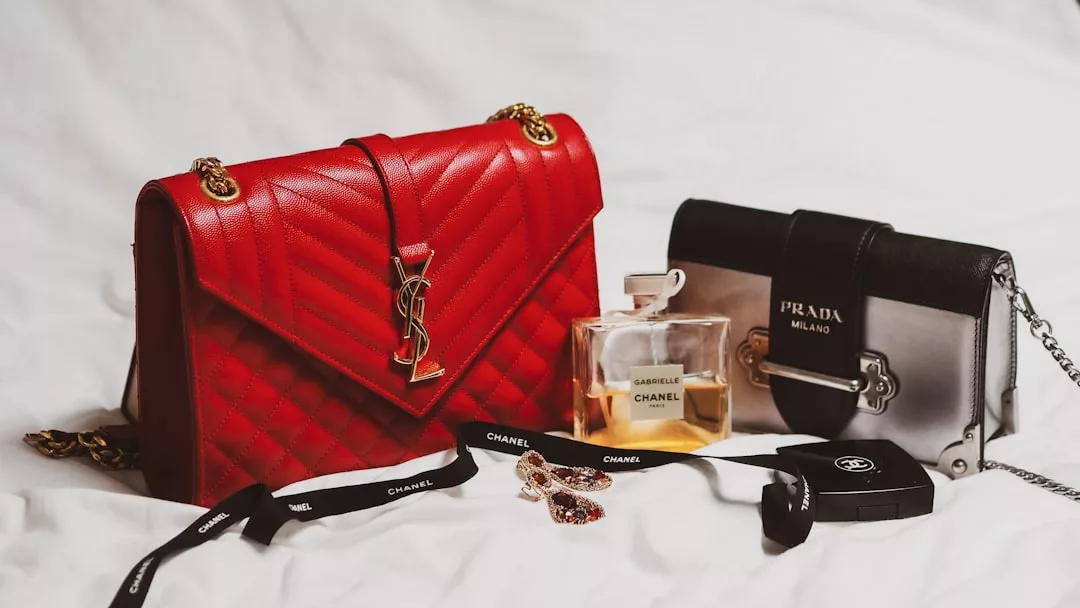
The allure of designer labels is deeply rooted in psychological principles that govern human behavior and social interaction. At the core of this phenomenon is the concept of status signaling, where individuals use luxury goods to communicate their social standing and personal identity. Wearing a designer label can evoke feelings of prestige and exclusivity, as these brands are often associated with wealth and success.
This desire for social validation can lead consumers to invest in high-end fashion, not merely for the product itself but for the status it confers. The psychological impact of wearing a designer label can be profound; it can enhance self-esteem and foster a sense of belonging within certain social circles. Moreover, the phenomenon of “conspicuous consumption,” a term coined by economist Thorstein Veblen, plays a significant role in the appeal of designer labels.
Consumers often purchase luxury items not just for their utility but to display their wealth and taste. This behavior is particularly pronounced in cultures that place a high value on material success and social hierarchy. The emotional gratification derived from owning and showcasing designer goods can create a cycle of desire and acquisition, where individuals feel compelled to continually seek out the latest trends and exclusive items to maintain their status.
Key Takeaways
- The psychology behind designer labels reveals the power of status and self-expression in consumer behavior.
- Understanding the symbolism of designer labels helps consumers make informed choices about the brands they support.
- The history and evolution of designer labels showcase the changing trends and influences in fashion over time.
- Celebrity endorsement has a significant impact on the popularity and perception of designer labels.
- Social media plays a crucial role in shaping the image and reach of designer labels in today’s digital age.
Understanding the Symbolism of Designer Labels
Designer labels serve as powerful symbols that convey a multitude of meanings beyond mere fashion. Each brand carries its own narrative, history, and ethos, which consumers often internalize and reflect in their personal identities. For instance, a brand like Chanel is not just about luxury; it embodies timeless elegance and a rebellious spirit, rooted in the legacy of its founder, Coco Chanel.
Wearing such a label can evoke feelings of empowerment and sophistication, allowing individuals to align themselves with the values that the brand represents. Additionally, the symbolism of designer labels extends into cultural realms, where they can signify belonging to specific subcultures or lifestyles. For example, streetwear brands like Supreme have become synonymous with youth culture and urban identity.
The act of wearing these labels can serve as a form of self-expression, allowing individuals to communicate their affiliations and values to the world. This multifaceted symbolism is what makes designer labels so compelling; they are not merely products but rather vessels of meaning that resonate with consumers on various levels.
The History and Evolution of Designer Labels
The history of designer labels is a fascinating journey that reflects broader societal changes and shifts in consumer behavior. The concept of luxury fashion began to take shape in the 19th century with the establishment of iconic houses such as Louis Vuitton and Dior. These brands emerged during a time when industrialization was transforming economies and creating a new class of affluent consumers eager to distinguish themselves through fashion.
The introduction of ready-to-wear collections in the mid-20th century marked a significant turning point, making high fashion more accessible while still maintaining an air of exclusivity. As the decades progressed, designer labels evolved in response to changing cultural landscapes. The 1980s saw an explosion of brand-centric marketing, with designers like Gianni Versace and Ralph Lauren becoming household names.
This era was characterized by bold statements and extravagant designs that reflected the excesses of the time. In contrast, the 1990s ushered in a wave of minimalism, with designers like Calvin Klein emphasizing simplicity and understated elegance. This evolution illustrates how designer labels are not static entities; they adapt to reflect societal values, consumer preferences, and cultural movements.
The Impact of Celebrity Endorsement on Designer Labels
Celebrity endorsement has become a cornerstone of marketing strategies for designer labels, significantly influencing consumer perceptions and purchasing decisions. When a high-profile figure is seen wearing a particular brand, it can instantly elevate its status and desirability. For instance, when Beyoncé donned a custom-made gown by Givenchy at the 2015 Met Gala, it not only showcased her personal style but also propelled the brand into the spotlight, leading to increased sales and heightened visibility.
The relationship between celebrities and designer labels is often symbiotic; designers gain exposure and credibility through celebrity associations, while stars benefit from the prestige associated with high-end fashion. This dynamic has led to collaborations between designers and celebrities, resulting in exclusive collections that generate buzz and excitement among consumers. The influence of social media amplifies this effect, as fans eagerly follow their favorite celebrities’ fashion choices, further driving demand for specific designer labels.
The Influence of Social Media on Designer Labels
In recent years, social media has transformed the landscape of fashion marketing, providing designer labels with unprecedented opportunities to connect with consumers. Platforms like Instagram and TikTok have become essential tools for brands to showcase their collections, engage with followers, and build communities around their products. Influencers play a pivotal role in this ecosystem; their ability to curate content and share personal experiences with designer items can significantly impact consumer behavior.
The immediacy of social media also allows for real-time feedback from consumers, enabling brands to gauge trends and preferences more accurately than ever before. This has led to a more dynamic relationship between designers and their audiences, where consumer input can shape product offerings and marketing strategies. Additionally, social media has democratized fashion to some extent; while designer labels still maintain an aura of exclusivity, platforms allow for broader access to luxury fashion content, inspiring individuals from diverse backgrounds to engage with high-end brands.
The Economics of Designer Labels
The economics surrounding designer labels are complex and multifaceted, encompassing aspects such as pricing strategies, market segmentation, and consumer behavior. Luxury brands often employ premium pricing strategies to reinforce their exclusivity and perceived value. This approach creates a psychological barrier that enhances desirability; consumers are often willing to pay more for items that are perceived as rare or prestigious.
The concept of “affordable luxury” has also emerged, where brands offer lower-priced items that still carry the designer label’s cachet, appealing to a broader audience without diluting brand equity. Market segmentation plays a crucial role in how designer labels position themselves within the fashion industry. Brands often target specific demographics based on factors such as age, income level, and lifestyle preferences.
For instance, younger consumers may gravitate towards streetwear brands that offer trendy designs at accessible price points, while older consumers might prefer established luxury houses known for timeless elegance. Understanding these market dynamics allows designer labels to tailor their offerings effectively and maintain relevance in an ever-evolving marketplace.
The Artistry and Craftsmanship of Designer Labels
At the heart of every designer label lies a commitment to artistry and craftsmanship that sets these brands apart from mass-produced fashion. The meticulous attention to detail that goes into creating each piece is often what justifies the premium price tag associated with luxury goods.
Many designer labels also emphasize their heritage and artisanal techniques as part of their brand narrative. For example, Italian fashion houses like Gucci and Prada often highlight their rich histories and traditional craftsmanship methods that have been passed down through generations. This focus on artistry not only enhances the perceived value of the products but also fosters an emotional connection between consumers and the brand’s story.
In an age where fast fashion dominates the market, the emphasis on craftsmanship serves as a reminder of the artistry inherent in high-end fashion.
The Role of Exclusivity in Designer Labels
Exclusivity is a defining characteristic of designer labels that contributes significantly to their allure. Many luxury brands intentionally limit production runs or create limited-edition collections to cultivate a sense of scarcity around their products. This strategy not only heightens demand but also reinforces the perception that owning such items is a privilege reserved for a select few.
The psychological impact of exclusivity can be profound; consumers often feel a sense of accomplishment or status when they acquire items that are not readily available to everyone. Moreover, exclusivity extends beyond product availability; it encompasses brand experiences as well. High-end fashion houses frequently host private events or offer personalized shopping experiences for their clientele, further enhancing the sense of belonging among loyal customers.
This approach fosters brand loyalty and encourages repeat purchases as consumers seek to maintain their connection with the exclusive world of luxury fashion.
The Cultural Significance of Designer Labels
Designer labels hold significant cultural weight, often reflecting broader societal trends and values. They can serve as markers of identity, influencing how individuals perceive themselves and how they are perceived by others. In many cultures, wearing designer clothing is synonymous with success and sophistication; it can signal one’s alignment with contemporary trends or adherence to traditional values associated with luxury.
Furthermore, designer labels often intersect with cultural movements, serving as vehicles for social commentary or artistic expression. For instance, during times of political upheaval or social change, certain designers have used their platforms to advocate for causes or challenge societal norms through their collections. This interplay between fashion and culture underscores the importance of designer labels as more than mere commodities; they are integral components of cultural discourse that shape our understanding of identity and society.
The Ethical Considerations of Supporting Designer Labels
As awareness around ethical consumption grows, many consumers are increasingly scrutinizing the practices behind designer labels. Issues such as labor conditions, environmental sustainability, and animal rights have come to the forefront of discussions surrounding luxury fashion. Some brands have made strides toward ethical practices by adopting sustainable materials or implementing fair labor policies; however, others continue to face criticism for exploitative practices within their supply chains.
Consumers are now more empowered than ever to make informed choices about their purchases. Many seek out brands that align with their values regarding sustainability and ethical production methods. This shift has prompted some designer labels to reevaluate their practices in order to appeal to socially conscious consumers who prioritize ethical considerations alongside aesthetics when making purchasing decisions.
How to Incorporate Designer Labels into Your Personal Style
Incorporating designer labels into personal style can be an enriching experience that allows individuals to express their unique identities while embracing high-quality fashion. One effective approach is to invest in timeless pieces that transcend seasonal trends; items such as classic handbags or tailored coats can serve as versatile staples in any wardrobe. By focusing on quality over quantity, consumers can curate a collection that reflects their personal style while also standing the test of time.
Another strategy is to mix high-end pieces with more affordable items to create balanced outfits that showcase individual creativity without appearing overly ostentatious. For example, pairing a designer blouse with vintage jeans or accessorizing with statement jewelry can elevate an everyday look while maintaining an approachable vibe. Ultimately, incorporating designer labels into personal style should be about authenticity, choosing pieces that resonate personally rather than simply following trends or societal expectations allows individuals to cultivate a wardrobe that truly reflects who they are.
More in
More from Fashion
Fashion · 2 min
Silk and Sartorial Smarts: Embracing the Singular Garment Principle
In an age of overwhelming choice, the ultimate luxury isn’t having more, it’s having the right thing. The modern wardrobe is undergoing a quiet r…

Fashion · 9 min
Dressing to Impress: The Art of Formal Wear
First impressions are often described as lasting impressions, and this adage holds significant weight in both personal and professional contexts. When…

Fashion · 9 min
Timeless Style: The Trench Coat
The trench coat has a rich and storied history that dates back to the late 19th century. Originally designed for military use, the trench coat was cre…