Jewelry · Jewelry
Unlocking the Brilliance of the Brilliant Cut
The history of the brilliant cut is a fascinating journey that intertwines artistry, science, and cultural evolution. The origins of diamond cutting can be traced back to the late …
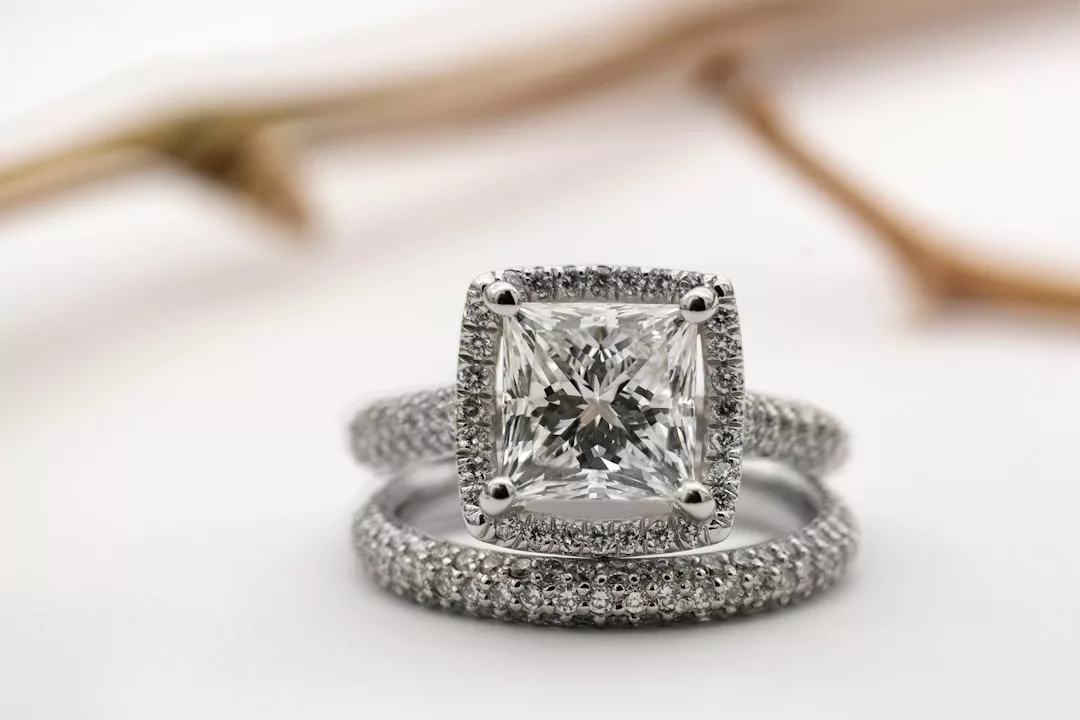
The history of the brilliant cut is a fascinating journey that intertwines artistry, science, and cultural evolution. The origins of diamond cutting can be traced back to the late Middle Ages, around the 15th century, when diamonds were first polished using rudimentary techniques. Early diamond cuts, such as the point cut and table cut, were simplistic and did not maximize the stone’s potential for brilliance.
It wasn’t until the late 17th century that the concept of faceting emerged, allowing for more intricate designs that could enhance a diamond’s natural sparkle. The brilliant cut as we know it today was developed in the early 20th century by a Belgian diamond cutter named Marcel Tolkowsky. In 1919, Tolkowsky published a thesis that detailed the ideal proportions for a round brilliant cut diamond, which included specific angles and dimensions to optimize light performance.
His work laid the foundation for modern diamond cutting and established the standards that are still used in the industry today. The brilliant cut quickly gained popularity due to its ability to reflect light in a way that creates an enchanting display of brilliance and fire, making it the preferred choice for engagement rings and fine jewelry.
Key Takeaways
- The brilliant cut diamond has a rich history dating back to the 17th century, when it was first developed in Europe.
- The science behind the brilliance of the brilliant cut lies in its precise proportions and angles, which maximize the reflection and refraction of light.
- Characteristics of the brilliant cut include its 58 facets, which create a stunning display of sparkle and fire.
- When choosing the perfect brilliant cut diamond, consider the 4Cs (cut, color, clarity, and carat weight) to ensure the highest quality.
- There are different types of brilliant cuts, including the round brilliant, princess cut, and cushion cut, each with its own unique appeal.
The Science Behind the Brilliance
The brilliance of a diamond is primarily determined by its ability to reflect and refract light. When light enters a diamond, it is bent or refracted at various angles due to the stone’s unique optical properties. The way light interacts with a diamond is governed by its refractive index, which measures how much light slows down as it passes through the material.
Diamonds have a high refractive index of approximately 2.42, which contributes to their exceptional sparkle. In addition to refraction, the cut of the diamond plays a crucial role in its brilliance. The angles and proportions of each facet are meticulously designed to maximize light return.
For instance, if a diamond is cut too shallow or too deep, light can escape through the bottom or sides instead of reflecting back to the viewer’s eye. This is why precision in cutting is paramount; even slight deviations from ideal proportions can significantly diminish a diamond’s brilliance. The interplay of light and the diamond’s facets creates a mesmerizing dance of colors and reflections, captivating anyone who gazes upon it.
The Characteristics of the Brilliant Cut
The brilliant cut is characterized by its unique shape and facet arrangement, which are designed to enhance its optical performance. The most common form is the round brilliant cut, which features 58 facets: 33 on the crown (the upper part) and 25 on the pavilion (the lower part). This specific arrangement allows for optimal light reflection and refraction, resulting in a dazzling display of brilliance.
Other variations of the brilliant cut may include different shapes, such as oval, pear, or cushion cuts, but they all share the fundamental principles that define brilliance. One of the defining characteristics of a brilliant cut diamond is its ability to exhibit both brilliance and fire. Brilliance refers to the white light reflected from the diamond, while fire describes the colorful flashes of light that occur when white light is dispersed into its spectral colors.
The combination of these two elements creates an enchanting visual effect that is highly sought after in fine jewelry. Additionally, the clarity and color of the diamond also play significant roles in its overall appearance; higher clarity grades allow for more light to pass through without obstruction, while diamonds with less color (closer to colorless) tend to exhibit greater brilliance.
How to Choose the Perfect Brilliant Cut Diamond
Selecting the perfect brilliant cut diamond involves careful consideration of several key factors, including cut quality, carat weight, color, and clarity. Among these attributes, cut quality is arguably the most important because it directly influences how well a diamond reflects light. A well-cut diamond will exhibit superior brilliance and fire compared to one that is poorly cut, regardless of its size or clarity.
When evaluating a diamond’s cut quality, one should refer to grading systems established by organizations such as the Gemological Institute of America (GIA). The GIA grades diamonds on a scale from Excellent to Poor based on their proportions, symmetry, and polish. An excellent cut will maximize light performance and create an eye-catching sparkle.
Additionally, carat weight should be considered in relation to budget; larger diamonds are often more expensive per carat due to their rarity. However, one can find stunning options in slightly smaller sizes that offer exceptional beauty without breaking the bank.
The Different Types of Brilliant Cuts
While the round brilliant cut is undoubtedly the most popular shape for diamonds, there are several other types of brilliant cuts that offer unique aesthetics and appeal. Each shape has its own characteristics that can influence how light interacts with the stone. For example, the princess cut features a square shape with pointed corners and is known for its contemporary look and exceptional brilliance.
It has gained immense popularity in recent years as an alternative to traditional round cuts. Another notable variation is the oval brilliant cut, which combines the classic elegance of a round cut with an elongated shape that can create an illusion of greater size. This shape is particularly flattering on many hands and can enhance finger length.
The pear-shaped brilliant cut offers a teardrop silhouette that combines elements of both round and marquise cuts; it is often chosen for its unique appearance and ability to create a striking visual impact in jewelry settings. Each type of brilliant cut has its own charm and can cater to different tastes and preferences.
The Brilliance of the Brilliant Cut in Engagement Rings
The brilliant cut has become synonymous with engagement rings due to its unparalleled ability to capture light and create an enchanting sparkle. When couples choose a diamond for an engagement ring, they often gravitate toward round brilliant cuts because they symbolize eternal love and commitment while also showcasing exceptional beauty. The way these diamonds reflect light can evoke emotions and create lasting memories associated with significant life events.
In addition to their aesthetic appeal, brilliant cut diamonds are versatile enough to complement various ring settings. Whether set in classic solitaire styles or more elaborate halo designs, these diamonds can enhance any engagement ring’s overall look. Furthermore, many couples appreciate that brilliant cuts are available in various sizes and price points, allowing them to find a perfect match for their budget while still achieving a stunning visual effect.
The Process of Cutting a Brilliant Cut Diamond
The process of cutting a brilliant cut diamond is an intricate art form that requires both skill and precision. It begins with selecting a rough diamond crystal that possesses desirable qualities such as clarity and size. Once selected, expert gem cutters analyze the rough stone to determine how best to maximize its potential while minimizing waste during cutting.
The cutting process involves several stages: cleaving or sawing the rough stone into manageable pieces, shaping it into a preform, and then faceting it into its final shape. Each facet must be carefully angled and polished to ensure optimal light performance. Advanced technology has revolutionized this process; computer-aided design (CAD) software allows cutters to simulate how light will interact with various cuts before making any physical alterations.
This technological advancement has led to even greater precision in achieving ideal proportions for brilliant cuts.
The Brilliance of the Brilliant Cut in Other Jewelry
While engagement rings are often associated with brilliant cut diamonds, these stunning stones are also featured prominently in other types of jewelry. From earrings to necklaces and bracelets, brilliant cuts can elevate any piece by adding an element of sophistication and glamour. For instance, stud earrings featuring round brilliant diamonds are timeless classics that can be worn on any occasion, effortlessly enhancing both casual and formal attire.
In necklaces, brilliant cut diamonds can be used as pendants or incorporated into intricate designs that showcase their brilliance from multiple angles. Tennis bracelets adorned with brilliant cut diamonds create a continuous line of sparkle around the wrist, making them popular choices for special occasions or as everyday wear. The versatility of brilliant cuts allows jewelers to create diverse styles that cater to various tastes while maintaining their signature brilliance.
Caring for Your Brilliant Cut Jewelry
To maintain the beauty and brilliance of your brilliant cut jewelry, proper care is essential. Diamonds are among the hardest substances on Earth; however, they can still be susceptible to scratches or damage if not handled carefully. Regular cleaning is crucial for preserving their sparkle; using a gentle solution of warm water mixed with mild dish soap can effectively remove dirt and oils that accumulate over time.
When cleaning your jewelry, it’s advisable to use a soft brush or cloth to gently scrub around the facets without applying excessive pressure. Additionally, storing your brilliant cut pieces separately in soft pouches or lined boxes can prevent scratches from occurring when they come into contact with other jewelry items. Regular inspections by a professional jeweler can also help identify any loose settings or damage before they become significant issues.
The Symbolism of the Brilliant Cut
The symbolism associated with brilliant cut diamonds extends far beyond their physical beauty; they represent love, commitment, and enduring relationships. Historically, diamonds have been regarded as symbols of strength and invincibility due to their hardness and rarity. In many cultures around the world, diamonds are seen as tokens of love and fidelity; this association has only intensified with their popularity in engagement rings.
Moreover, the brilliance of these diamonds serves as a metaphor for clarity in relationships, just as light refracts through each facet to create stunning visual effects, so too do love and commitment illuminate our lives in profound ways.
The Future of the Brilliant Cut
As we look toward the future of the brilliant cut diamond industry, several trends are emerging that may shape its evolution. One significant development is the increasing popularity of lab-grown diamonds, which offer an ethical alternative without compromising on quality or appearance. These stones are created using advanced technology that replicates natural processes; they possess identical physical properties to mined diamonds but often come at lower price points.
Additionally, advancements in cutting technology continue to refine how diamonds are shaped and polished. Innovations such as laser cutting allow for greater precision than ever before; this could lead to new variations on traditional cuts or entirely new designs that enhance brilliance even further. As consumer preferences evolve toward sustainability and ethical sourcing practices, it will be interesting to see how these factors influence both demand for different types of diamonds and innovations within cutting techniques moving forward.
The future holds exciting possibilities for both consumers seeking beautiful jewelry options as well as jewelers striving to meet those demands while maintaining high standards of craftsmanship and ethical responsibility within their practices.
More in
More from Jewelry
Jewelry · 8 min
Stylish Bar Jewelry: Elevate Your Look
Bar jewelry has emerged as a captivating trend in the world of accessories, captivating fashion enthusiasts and casual wearers alike. Characterized by…
Jewelry · 9 min
Unlocking the Elegance of the Emerald Cut
The emerald cut has a rich and storied history that dates back to the 15th century, originating in the lapidary practices of the Spanish and Portugues…
Jewelry · 9 min
Bangle: A Timeless Fashion Accessory
Bangle jewelry has a rich and diverse history that spans across various cultures and epochs. The origins of bangles can be traced back to ancient civi…