News · News
Unplugging: The Benefits of a Social Media Detox
In an age where social media platforms dominate our daily interactions, the concept of a social media detox has gained significant traction. This practice involves taking a deliber…
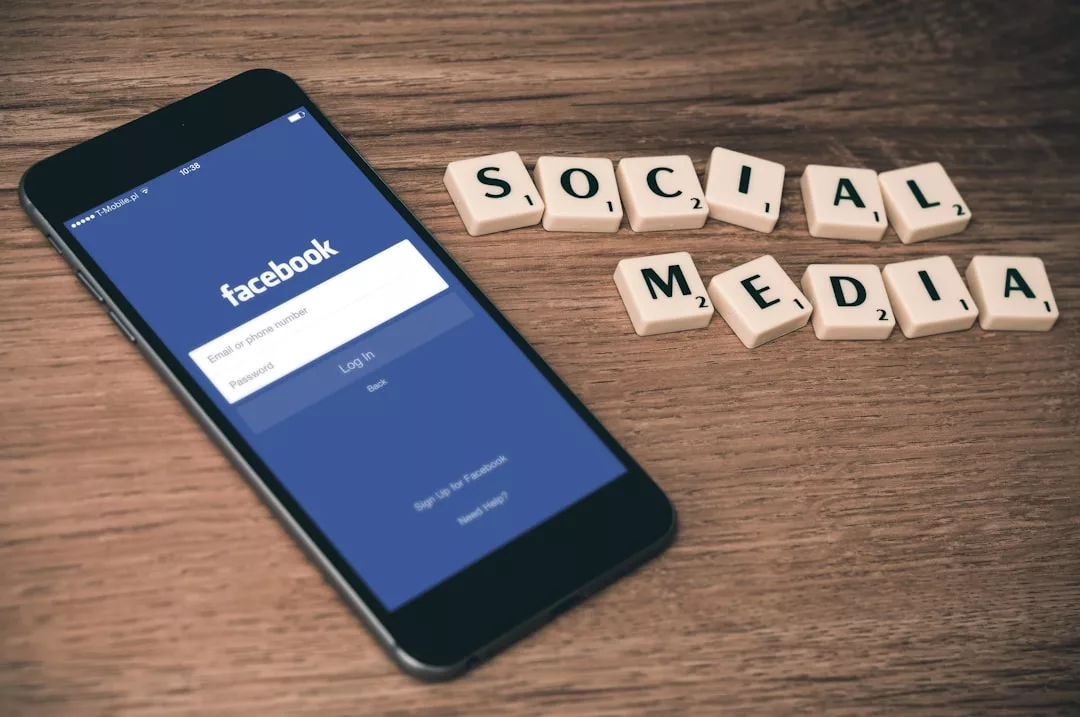
In an age where social media platforms dominate our daily interactions, the concept of a social media detox has gained significant traction. This practice involves taking a deliberate break from social media channels to reassess their impact on our lives. As individuals increasingly recognize the pervasive influence of these platforms, many are opting to step back and evaluate their relationship with technology.
The idea is not merely to abstain from scrolling through feeds but to engage in a deeper reflection on how social media shapes our thoughts, emotions, and behaviors. The rise of social media has transformed communication, allowing us to connect with friends and family across the globe. However, this connectivity often comes at a cost.
The constant barrage of information, notifications, and curated images can lead to feelings of inadequacy, anxiety, and disconnection from reality. A social media detox serves as a powerful tool for reclaiming one’s time and mental space, fostering a healthier relationship with technology. By stepping away from the digital noise, individuals can gain clarity and perspective on their lives, ultimately leading to a more fulfilling existence.
Key Takeaways
- Social media detox is the act of intentionally taking a break from social media platforms to improve mental and emotional wellbeing.
- Negative effects of social media include increased anxiety, depression, and feelings of inadequacy due to comparison with others.
- Unplugging from social media can lead to benefits such as improved mental health, increased productivity, better sleep quality, and enhanced real-life relationships.
- Detoxing from social media can result in improved mental health and wellbeing by reducing exposure to negative content and comparison with others.
- Taking a break from social media can lead to increased productivity and focus by minimizing distractions and allowing for more time to engage in meaningful activities.
Understanding the Negative Effects of Social Media
The negative effects of social media are multifaceted and can manifest in various aspects of life. One of the most prominent issues is the impact on mental health. Studies have shown a correlation between heavy social media use and increased rates of anxiety, depression, and loneliness.
The curated nature of online personas often leads individuals to compare themselves unfavorably to others, fostering feelings of inadequacy and low self-esteem. This phenomenon is particularly pronounced among younger users who are still developing their identities and self-worth. Moreover, social media can create an environment ripe for cyberbullying and harassment.
The anonymity afforded by online platforms emboldens individuals to engage in harmful behaviors that they might avoid in face-to-face interactions. Victims of cyberbullying often experience severe emotional distress, which can have long-lasting effects on their mental health. Additionally, the addictive nature of social media can lead to compulsive behaviors, where individuals feel compelled to check their notifications or scroll through feeds incessantly, detracting from real-life experiences and responsibilities.
The Benefits of Unplugging from Social Media
Unplugging from social media offers a myriad of benefits that extend beyond mere respite from digital distractions. One of the most immediate advantages is the opportunity for self-reflection. When individuals step away from the constant influx of information and opinions, they create space for introspection.
This time can be used to evaluate personal goals, values, and priorities without the influence of external pressures. By disconnecting from social media, individuals can gain a clearer understanding of what truly matters to them. Additionally, a social media detox can lead to enhanced creativity.
Without the constant comparison to others’ achievements and lifestyles, individuals may find themselves more inspired to pursue their passions and interests. The absence of digital noise allows for deeper engagement with one’s thoughts and ideas, fostering an environment conducive to creative exploration. This newfound freedom can lead to innovative thinking and problem-solving skills that may have been stifled by the distractions of social media.
Improved Mental Health and Wellbeing
One of the most significant benefits of a social media detox is the positive impact on mental health and overall wellbeing. Research indicates that taking breaks from social media can lead to reduced feelings of anxiety and depression. By stepping away from the pressures of online validation and comparison, individuals often experience a sense of relief and liberation.
This break allows for a reconnection with one’s authentic self, free from the constraints imposed by societal expectations perpetuated through social media. Moreover, disengaging from social media can foster healthier coping mechanisms. Instead of turning to online platforms for validation or distraction during stressful times, individuals may find solace in more constructive activities such as exercise, meditation, or spending time in nature.
These activities not only promote physical health but also contribute to emotional resilience. As individuals cultivate healthier habits during their detox period, they often emerge with a more robust toolkit for managing stress and enhancing their overall mental wellbeing.
Increased Productivity and Focus
The distractions posed by social media can significantly hinder productivity and focus in both personal and professional realms. Notifications, alerts, and the temptation to check updates can fragment attention spans, making it challenging to concentrate on tasks at hand. A social media detox provides an opportunity to reclaim lost focus and enhance productivity levels.
By eliminating these distractions, individuals can immerse themselves fully in their work or personal projects without the constant pull of digital interruptions. Furthermore, the time saved by not engaging with social media can be redirected toward more meaningful pursuits. Whether it’s dedicating extra hours to a work project, learning a new skill, or simply enjoying leisure activities without digital interference, individuals often find that they have more time available for what truly matters.
This shift not only boosts productivity but also fosters a sense of accomplishment and fulfillment as individuals engage in activities that align with their values and aspirations.
Better Sleep Quality
The relationship between social media use and sleep quality is well-documented, with numerous studies indicating that excessive screen time before bed can disrupt sleep patterns. The blue light emitted by screens interferes with the body’s natural circadian rhythms, making it difficult for individuals to fall asleep or achieve restorative rest. A social media detox can significantly improve sleep quality by encouraging healthier bedtime routines that prioritize relaxation over digital engagement.
By stepping away from screens in the evening, individuals can create a calming pre-sleep environment that promotes better rest. Engaging in activities such as reading a book, practicing mindfulness meditation, or enjoying a warm bath can help signal to the body that it’s time to wind down. As sleep quality improves during a detox period, individuals often report feeling more energized and focused during the day, further enhancing their overall wellbeing.
Enhanced Real-Life Relationships
In an era dominated by virtual connections, many individuals find that their real-life relationships suffer due to excessive social media use. While online platforms provide opportunities for interaction, they often lack the depth and authenticity found in face-to-face communication. A social media detox encourages individuals to prioritize in-person relationships by fostering genuine connections with family and friends.
This shift can lead to more meaningful interactions that strengthen bonds and create lasting memories. Moreover, unplugging from social media allows individuals to be more present in their interactions. Without the distraction of notifications or the urge to document every moment for online sharing, people can engage more fully in conversations and experiences.
This heightened presence fosters deeper connections and enhances emotional intimacy within relationships. As individuals invest time in nurturing their real-life connections during a detox period, they often discover a renewed appreciation for the people in their lives.
Rediscovering Hobbies and Interests
Social media can often consume valuable time that could be spent pursuing hobbies and interests that bring joy and fulfillment. During a detox period, individuals have the opportunity to rediscover passions that may have been sidelined due to digital distractions. Whether it’s painting, gardening, playing an instrument, or engaging in sports, stepping away from social media allows for a renewed focus on activities that promote creativity and personal growth.
Engaging in hobbies not only provides a sense of accomplishment but also serves as an outlet for self-expression. As individuals immerse themselves in activities they love during their detox period, they often experience increased satisfaction and happiness. This reconnection with personal interests can lead to a more balanced lifestyle where fulfillment comes from within rather than through external validation on social media platforms.
Finding Inner Peace and Mindfulness
A social media detox can serve as a catalyst for cultivating inner peace and mindfulness in an increasingly chaotic world. By stepping away from these platforms, individuals create space for mindfulness practices such as meditation or yoga that promote self-awareness and emotional regulation.
Mindfulness encourages individuals to be present in the moment rather than getting lost in the noise of digital distractions. During a detox period, many find themselves more attuned to their thoughts and feelings, allowing for greater emotional insight and understanding. This heightened awareness fosters resilience against stressors encountered in daily life, ultimately leading to a more peaceful state of mind.
Overcoming FOMO (Fear of Missing Out)
The fear of missing out (FOMO) is a pervasive phenomenon exacerbated by social media’s constant updates about events, gatherings, and experiences shared by others. This fear can lead individuals to feel anxious or inadequate if they perceive themselves as missing out on exciting opportunities or connections. A social media detox provides an opportunity to confront FOMO head-on by shifting focus away from what others are doing toward personal fulfillment.
During this period of disconnection, individuals often realize that their worth is not defined by their online presence or participation in trending events. Instead of feeling pressured to keep up with others’ lives through curated posts, they can focus on creating their own meaningful experiences without comparison or judgment. This shift in perspective fosters a sense of empowerment as individuals learn to embrace their unique journeys rather than measuring themselves against others.
Tips for Successfully Detoxing from Social Media
Successfully navigating a social media detox requires intentionality and planning. One effective strategy is setting clear boundaries around usage before embarking on the detox journey. Individuals may choose to designate specific times for checking social media or limit usage to certain days of the week rather than an all-or-nothing approach.
This gradual reduction allows for a smoother transition while still providing opportunities for connection when desired. Another helpful tip is finding alternative activities to fill the time previously spent on social media. Engaging in physical exercise, exploring new hobbies, or spending quality time with loved ones can help ease the transition away from digital engagement while promoting overall wellbeing.
Additionally, journaling during this period can provide valuable insights into thoughts and feelings experienced throughout the detox process. Establishing support systems can also enhance the success of a social media detox. Sharing intentions with friends or family members can create accountability while fostering discussions about shared experiences during this journey.
Ultimately, embracing flexibility and self-compassion throughout the process is essential; recognizing that it’s okay to slip up occasionally allows individuals to approach their detox with kindness rather than rigidity. In conclusion, embarking on a social media detox offers numerous benefits that extend far beyond mere disconnection from technology. By understanding the negative effects of social media on mental health, productivity, relationships, sleep quality, and overall wellbeing, individuals can appreciate the transformative power of unplugging from digital distractions.
Through intentional practices such as mindfulness and rediscovering hobbies during this period of disconnection, one can cultivate inner peace while overcoming FOMO and enhancing real-life connections. With thoughtful strategies in place for successfully navigating this journey toward balance and fulfillment, individuals are empowered to reclaim their time and live more authentically in an increasingly connected world.
More in
More from News

News · 15 min
Future of Luxury Fashion: Innovation, Technology, and the Next Frontier
Discover the future of luxury fashion: how AI, blockchain, digital couture, bio-fabricated materials and sustainability are reshaping maisons and the …

News · 15 min
Celebrity Style Guide: Decoding the Fashion of the Famous
Decode celebrity style: how stylists, red carpet partnerships, and social media shape fashion, plus archetypes and tips to build a celebrity-inspired …

News · 14 min
Luxury Lifestyle Guide: Curating the Art of Living Well
Discover the luxury lifestyle as the art of living well: quiet luxury in travel, wine, home design, wardrobe, watches, and wellness, curated with inte…