Fashion · Fashion
Unveiling the Hottest Streetwear Trends
Streetwear is more than just a fashion trend; it is a cultural phenomenon that has evolved from the urban landscapes of cities around the world. Originating in the late 20th centur…
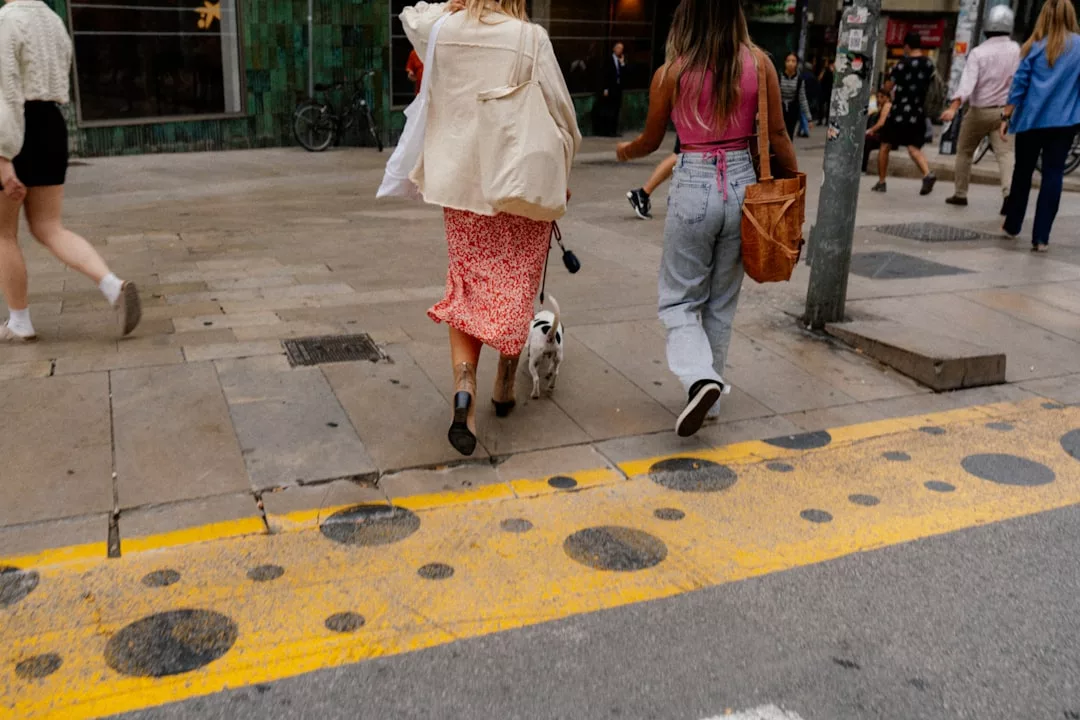
Streetwear is more than just a fashion trend; it is a cultural phenomenon that has evolved from the urban landscapes of cities around the world. Originating in the late 20th century, streetwear embodies a unique blend of casual aesthetics, artistic expression, and social commentary. It draws inspiration from various subcultures, including skateboarding, hip-hop, and punk, creating a rich tapestry of influences that resonate with diverse audiences.
The essence of streetwear lies in its ability to reflect the attitudes and lifestyles of youth culture, making it a powerful medium for self-expression and identity. At its core, streetwear is characterized by its emphasis on comfort and functionality, often featuring oversized silhouettes, graphic tees, hoodies, and sneakers. The designs frequently incorporate bold graphics, logos, and slogans that convey messages or represent affiliations with specific communities.
This accessibility and relatability have contributed to streetwear’s widespread appeal, allowing it to transcend geographical boundaries and connect with individuals from various backgrounds. As streetwear continues to evolve, it remains a dynamic force in the fashion industry, influencing trends and shaping cultural narratives.
Key Takeaways
- Streetwear is a fashion style that originated from the streets and has evolved into a global phenomenon.
- Streetwear has been influenced by various subcultures and has evolved over the years to become a prominent fashion trend.
- Influential streetwear brands have played a significant role in shaping the streetwear culture and fashion industry.
- Gender-neutral streetwear has gained popularity, breaking traditional fashion norms and promoting inclusivity.
- Streetwear has made a significant impact on high fashion, with luxury brands incorporating streetwear elements into their collections.
The Evolution of Streetwear
The roots of streetwear can be traced back to the 1980s when skate culture began to gain prominence in California. Pioneering brands like Stüssy emerged during this time, blending surf and skate aesthetics with urban influences. The brand’s founder, Shawn Stüssy, became a key figure in establishing the streetwear movement by creating clothing that resonated with the rebellious spirit of youth.
As skateboarding gained popularity, so did the demand for apparel that reflected the lifestyle associated with it. The 1990s marked a significant turning point for streetwear as hip-hop culture began to intersect with fashion. Artists like A Tribe Called Quest and Wu-Tang Clan not only dominated the music scene but also influenced fashion choices among their fans.
Brands such as FUBU and Phat Farm emerged, catering specifically to the urban market and promoting a sense of identity through clothing. This era saw the rise of logo-centric designs and oversized fits, which became synonymous with streetwear. The fusion of music and fashion laid the groundwork for future collaborations between artists and designers, further solidifying streetwear’s place in popular culture.
Influential Streetwear Brands
Several brands have played pivotal roles in shaping the streetwear landscape, each contributing unique elements that define the genre. Supreme stands out as one of the most iconic streetwear labels, known for its limited releases and collaborations with high-profile artists and designers. Founded in 1994 by James Jebbia in New York City, Supreme quickly became a cultural touchstone for skaters and fashion enthusiasts alike.
The brand’s distinctive red box logo has become a symbol of exclusivity and desirability, often leading to frenzied resale markets where items can fetch exorbitant prices. Another influential brand is Off-White, founded by designer Virgil Abloh in 2012. Off-White has redefined streetwear by merging high fashion with urban aesthetics.
Abloh’s innovative approach to design incorporates industrial motifs, quotation marks, and bold graphics that challenge traditional notions of luxury. The brand’s collaborations with established fashion houses like Nike have further blurred the lines between streetwear and high fashion, attracting a diverse clientele that includes celebrities and fashion insiders.
The Rise of Gender-Neutral Streetwear
In recent years, the concept of gender-neutral fashion has gained traction within the streetwear community. This shift reflects broader societal changes regarding gender identity and expression, as individuals increasingly seek clothing that transcends traditional gender norms. Brands like Telfar have championed inclusivity by offering unisex designs that cater to a wide range of body types and personal styles.
Telfar Clemens, the brand’s founder, emphasizes accessibility and representation, making it clear that fashion should not be confined by gender. Celebrities such as Jaden Smith and Billy Porter have embraced gender-bending styles, challenging conventional expectations of masculinity and femininity.
This cultural shift has encouraged brands to adopt more inclusive practices, leading to a broader acceptance of diverse identities within the fashion industry. As a result, consumers are increasingly drawn to collections that celebrate individuality rather than conforming to outdated gender stereotypes.
Streetwear’s Impact on High Fashion
The intersection of streetwear and high fashion has become one of the most significant developments in contemporary fashion. Designers such as Raf Simons and Alexander Wang have incorporated streetwear elements into their collections, blurring the lines between luxury and casual wear. This fusion has led to a democratization of fashion, where high-end brands are now embracing the aesthetics and ethos of street culture.
Collaborations between streetwear brands and luxury houses have further solidified this trend. For instance, Louis Vuitton’s partnership with Virgil Abloh brought streetwear into the realm of haute couture, showcasing how urban influences can elevate traditional luxury design. These collaborations not only attract younger consumers but also challenge established norms within the fashion industry.
As high fashion continues to embrace streetwear influences, it reflects a broader cultural shift towards inclusivity and authenticity.
The Role of Social Media in Streetwear Trends
Social media has played a transformative role in shaping streetwear trends and fostering community engagement. Platforms like Instagram and TikTok have become essential tools for brands to connect with their audience, allowing them to showcase new collections and engage directly with consumers. Influencers and content creators have emerged as key players in this landscape, using their platforms to promote streetwear brands and share styling tips.
The viral nature of social media has also contributed to the rapid dissemination of trends within the streetwear community. A single post can spark widespread interest in a particular item or style, leading to increased demand and often resulting in sell-out releases. This phenomenon has created a sense of urgency among consumers who seek to stay ahead of trends while navigating the competitive landscape of limited-edition drops.
Additionally, social media allows for real-time feedback from consumers, enabling brands to adapt quickly to changing preferences.
Must-Have Streetwear Accessories
Accessories play a crucial role in completing any streetwear look, adding layers of personality and style to an outfit. One essential accessory is the snapback cap, which has become synonymous with street culture since its rise in popularity during the 1990s. Brands like New Era have capitalized on this trend by offering customizable options that allow individuals to express their unique identities through personalized designs.
Another must-have accessory is the crossbody bag or belt bag, which combines functionality with style. These bags provide a practical solution for carrying essentials while maintaining an effortlessly cool aesthetic. Brands like Off-White and Supreme have released their own versions, often featuring bold logos or distinctive patterns that enhance their appeal within the streetwear community.
Footwear also plays a pivotal role in defining street style; sneakers from brands like Nike and Adidas are often seen as status symbols within this culture.
How to Style Streetwear for Different Occasions
Styling streetwear can be both fun and versatile, allowing individuals to adapt their looks for various occasions while maintaining an authentic vibe. For casual outings or weekend hangouts, pairing an oversized graphic tee with distressed jeans or joggers creates a laid-back yet stylish ensemble. Layering with a bomber jacket or denim jacket adds depth to the outfit while providing warmth during cooler months.
For more formal events or gatherings, streetwear can be elevated through thoughtful styling choices. Opting for tailored joggers paired with a crisp white button-up shirt creates a sophisticated look that retains comfort without sacrificing style. Incorporating statement sneakers or designer accessories can further enhance this ensemble while showcasing personal flair.
The key lies in balancing casual elements with polished pieces to achieve an effortlessly chic appearance suitable for various settings.
Sustainability in Streetwear
As awareness around environmental issues grows, sustainability has become an increasingly important topic within the streetwear industry. Many brands are now prioritizing eco-friendly practices by utilizing sustainable materials and ethical production methods. For instance, companies like Patagonia have long been advocates for environmental responsibility, producing clothing made from recycled materials while promoting fair labor practices.
Additionally, some streetwear brands are embracing circular fashion concepts by encouraging consumers to recycle or upcycle their clothing. Initiatives such as clothing swaps or buy-back programs allow individuals to extend the life cycle of their garments while reducing waste. This shift towards sustainability not only addresses pressing environmental concerns but also resonates with consumers who prioritize ethical consumption in their purchasing decisions.
Streetwear Trends for Different Seasons
Streetwear trends are constantly evolving with each season, reflecting changes in climate as well as cultural influences. In spring and summer months, lighter fabrics such as cotton or linen dominate collections, often featuring vibrant colors and playful patterns that evoke a sense of freshness. Oversized tees paired with shorts or lightweight joggers create comfortable yet stylish outfits perfect for warmer weather.
As fall approaches, layering becomes essential in streetwear styling. Hoodies under oversized jackets or flannel shirts add warmth while maintaining an edgy aesthetic characteristic of urban fashion. Earthy tones like olive green or burnt orange often emerge during this season, aligning with nature-inspired palettes that resonate with consumers seeking comfort during transitional months.
Winter brings its own set of challenges; however, incorporating statement outerwear such as puffer jackets or long coats can elevate any outfit while providing necessary insulation against colder temperatures.
The Future of Streetwear
Looking ahead, the future of streetwear appears promising as it continues to adapt to changing cultural landscapes and consumer preferences. Additionally, advancements in technology may lead to innovative designs that incorporate smart textiles or augmented reality elements into clothing.
Furthermore, sustainability will remain at the forefront of discussions within the industry as consumers increasingly demand transparency regarding production practices. Brands that prioritize eco-friendly initiatives will likely gain favor among conscious consumers seeking meaningful connections with their purchases. As streetwear evolves alongside societal shifts, it will undoubtedly maintain its status as a powerful form of self-expression while influencing broader fashion trends for years to come.
More in
More from Fashion
Fashion · 2 min
Silk and Sartorial Smarts: Embracing the Singular Garment Principle
In an age of overwhelming choice, the ultimate luxury isn’t having more, it’s having the right thing. The modern wardrobe is undergoing a quiet r…

Fashion · 9 min
Dressing to Impress: The Art of Formal Wear
First impressions are often described as lasting impressions, and this adage holds significant weight in both personal and professional contexts. When…

Fashion · 9 min
Timeless Style: The Trench Coat
The trench coat has a rich and storied history that dates back to the late 19th century. Originally designed for military use, the trench coat was cre…