Longevity · Longevity
Boosting Health with Zinc Supplementation
Zinc is an essential trace mineral that plays a pivotal role in numerous biological functions within the human body. It is a crucial component of over 300 enzymes, which are protei…
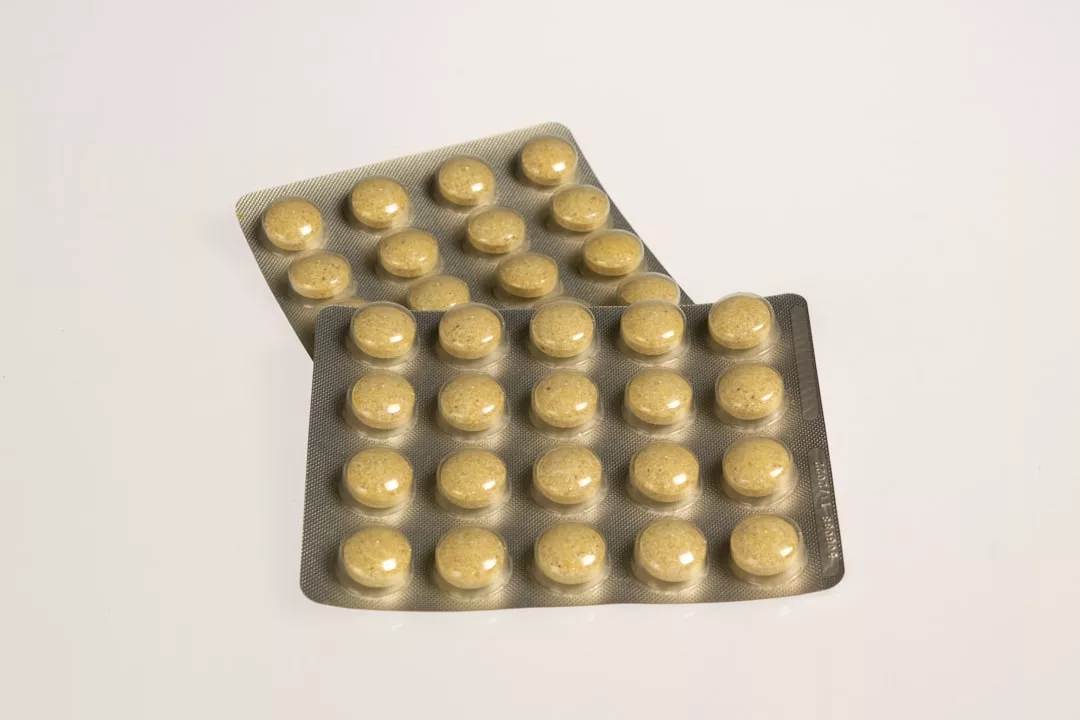
Zinc is an essential trace mineral that plays a pivotal role in numerous biological functions within the human body. It is a crucial component of over 300 enzymes, which are proteins that facilitate biochemical reactions. These enzymes are involved in various processes, including metabolism, digestion, and nerve function.
Zinc is also vital for DNA synthesis, cell division, and protein synthesis, making it indispensable for growth and development, particularly during periods of rapid growth such as childhood, adolescence, and pregnancy. The mineral’s role in cellular function extends to its involvement in the maintenance of structural integrity of proteins and cell membranes. Moreover, zinc is integral to the immune system.
It helps in the development and activation of T-lymphocytes, a type of white blood cell that plays a central role in the adaptive immune response. A deficiency in zinc can lead to impaired immune function, making the body more susceptible to infections and diseases. Additionally, zinc acts as an antioxidant, helping to combat oxidative stress by neutralizing free radicals.
This protective role is crucial for maintaining overall health and preventing chronic diseases associated with oxidative damage.
Key Takeaways
- Zinc is essential for various bodily functions including immune function, wound healing, and DNA synthesis
- Signs of zinc deficiency include impaired immune function, loss of appetite, and delayed wound healing
- Zinc supplementation can help boost immune function, support healthy skin, and aid in wound healing
- Best food sources of zinc include oysters, beef, and pumpkin seeds
- When choosing a zinc supplement, look for one that contains zinc citrate or zinc gluconate for better absorption
Signs of Zinc Deficiency
Zinc deficiency can manifest in various ways, often leading to a range of health issues that can significantly impact quality of life. One of the most common signs is a weakened immune response, which may result in frequent infections or prolonged illness. Individuals with low zinc levels may find themselves catching colds or other infections more easily than their peers.
Furthermore, zinc deficiency can lead to delayed wound healing, as the mineral is essential for skin integrity and repair processes. Cuts and abrasions may take longer to heal, and individuals may experience increased susceptibility to skin infections. Other symptoms of zinc deficiency include changes in taste and smell, which can affect appetite and overall nutrition.
This phenomenon, known as hypogeusia (reduced ability to taste), can lead to a decreased interest in food, potentially resulting in further nutritional deficiencies. Additionally, individuals may experience hair loss or thinning, as zinc plays a role in hair follicle health. In more severe cases, deficiency can lead to growth retardation in children and adolescents, as well as reproductive issues in adults due to its role in hormone regulation.
Benefits of Zinc Supplementation
Supplementing with zinc can offer numerous health benefits, particularly for individuals who are at risk of deficiency or those with specific health conditions. One of the most well-documented benefits is its ability to enhance immune function. Studies have shown that zinc supplementation can reduce the duration and severity of respiratory infections, such as the common cold.
By bolstering the immune response, zinc helps the body fight off pathogens more effectively, leading to quicker recovery times and fewer complications. In addition to its immune-boosting properties, zinc supplementation has been linked to improved skin health. It is often used in dermatological treatments for conditions such as acne and eczema due to its anti-inflammatory properties and its role in collagen synthesis.
Zinc can help regulate oil production in the skin and reduce inflammation, leading to clearer skin and improved overall complexion. Furthermore, its antioxidant properties contribute to skin protection against environmental stressors, promoting a healthier appearance.
Best Food Sources of Zinc
Incorporating zinc-rich foods into one’s diet is an effective way to ensure adequate intake of this essential mineral. Animal-based foods are generally the best sources of zinc due to their high bioavailability; this means that the body can absorb and utilize the zinc more efficiently compared to plant sources. Red meat, poultry, and seafood, especially oysters, are among the richest sources of zinc.
For instance, just six medium oysters can provide more than 500% of the recommended daily intake for adults. For those following a vegetarian or vegan diet, there are still several plant-based sources of zinc available. Legumes such as chickpeas, lentils, and beans are good options, although they contain phytates that can inhibit zinc absorption.
Nuts and seeds, particularly pumpkin seeds and cashews, also provide a decent amount of zinc. Whole grains like quinoa and fortified cereals can contribute to daily intake as well. However, individuals relying on plant sources should be mindful of their overall dietary patterns to ensure they are meeting their zinc needs effectively.
How to Choose the Right Zinc Supplement
When considering zinc supplementation, it is essential to choose a product that meets individual health needs while ensuring safety and efficacy. There are several forms of zinc supplements available on the market, including zinc gluconate, zinc citrate, zinc picolinate, and zinc acetate. Each form has varying levels of bioavailability; for example, zinc picolinate is often touted for its superior absorption compared to other forms.
It is advisable to consult with a healthcare professional before starting any supplementation regimen to determine which form may be most suitable. Additionally, it is important to consider the dosage when selecting a zinc supplement. The recommended daily allowance (RDA) varies by age and gender; therefore, individuals should choose a supplement that aligns with their specific requirements without exceeding safe upper limits.
Some supplements may also contain additional vitamins or minerals that can enhance absorption or provide synergistic benefits; for instance, combining zinc with vitamin C may further support immune health. Reading labels carefully and opting for reputable brands can help ensure quality and safety.
Recommended Daily Intake of Zinc
The recommended daily intake of zinc varies based on age, sex, and life stage. For adult men, the RDA is approximately 11 mg per day, while adult women require about 8 mg per day. Pregnant and lactating women have higher needs; pregnant women should aim for around 11 mg per day, while lactating women require about 12 mg per day to support both their own health and that of their infants.
Children also have varying requirements based on their age; for example, children aged 1-3 years need about 2-3 mg per day, while those aged 14-18 years require 8-11 mg depending on gender. It is important to note that excessive intake of zinc can lead to toxicity and adverse health effects. The tolerable upper intake level (UL) for adults is set at 40 mg per day.
Consuming amounts above this threshold can result in symptoms such as nausea, vomiting, loss of appetite, stomach cramps, diarrhea, and headaches.
Zinc and Immune Function
Zinc’s role in immune function cannot be overstated; it is fundamental for both innate and adaptive immunity. The mineral influences various immune cells’ development and function, including neutrophils, natural killer cells, and T-lymphocytes. A deficiency in zinc can lead to impaired immune responses characterized by reduced lymphocyte proliferation and altered cytokine production.
This impairment can increase susceptibility to infections and slow down recovery from illnesses. Research has demonstrated that adequate zinc levels are associated with a lower incidence of respiratory infections among older adults, a population particularly vulnerable to such illnesses. Supplementation has been shown to reduce the duration of colds when taken at the onset of symptoms.
Furthermore, during times of increased stress or illness, such as during viral outbreaks, maintaining sufficient zinc levels becomes even more critical for supporting immune resilience.
Zinc and Skin Health
Zinc’s contribution to skin health is multifaceted; it plays a crucial role in maintaining skin integrity and promoting healing processes. Its anti-inflammatory properties make it beneficial for managing various skin conditions such as acne vulgaris and psoriasis. Zinc helps regulate sebum production in the skin; excessive sebum can lead to clogged pores and acne breakouts.
By modulating oil production and reducing inflammation, zinc can help improve overall skin clarity. Moreover, zinc is essential for collagen synthesis, a protein that provides structure and elasticity to the skin. This makes it vital for wound healing; adequate levels of zinc can accelerate recovery from cuts or abrasions by promoting new cell growth and tissue repair.
Topical applications containing zinc oxide are commonly used in sunscreens due to their ability to protect against UV radiation while also soothing irritated skin.
Zinc and Digestive Health
Zinc plays an important role in digestive health by supporting various functions within the gastrointestinal tract. It is involved in the synthesis of digestive enzymes that aid in breaking down food components into absorbable nutrients. A deficiency in zinc can lead to impaired digestion and absorption of nutrients, potentially resulting in gastrointestinal issues such as diarrhea or malabsorption syndromes.
Furthermore, zinc contributes to maintaining the integrity of the gut lining by promoting cell proliferation and repair processes within the intestinal mucosa. This protective role is crucial for preventing conditions such as leaky gut syndrome, where increased intestinal permeability allows toxins and undigested food particles to enter the bloodstream, leading to systemic inflammation and other health issues.
Zinc and Cognitive Function
Emerging research suggests that zinc may play a significant role in cognitive function and mental health. The mineral is involved in neurotransmission, the process by which signals are transmitted between nerve cells, and has been linked to mood regulation and cognitive performance. Studies have indicated that adequate levels of zinc are associated with better memory function and cognitive abilities.
Zinc deficiency has been correlated with increased risk factors for neurodegenerative diseases such as Alzheimer’s disease. The mineral’s antioxidant properties help protect brain cells from oxidative stress, a contributing factor in cognitive decline.
Potential Side Effects of Zinc Supplementation
While zinc supplementation can offer numerous health benefits when taken appropriately, it is not without potential side effects, especially when consumed in excessive amounts or without medical supervision. Common side effects include gastrointestinal disturbances such as nausea, vomiting, diarrhea, and abdominal cramps. These symptoms often arise from taking high doses or consuming supplements on an empty stomach.
Long-term excessive intake of zinc can lead to copper deficiency since high levels of zinc can interfere with copper absorption in the body. This imbalance may result in neurological issues or anemia due to insufficient copper levels necessary for red blood cell formation. Additionally, chronic high doses may impair immune function rather than enhance it, a paradoxical effect that underscores the importance of adhering to recommended dosages when considering supplementation.
In conclusion, while zinc is an essential mineral with numerous health benefits ranging from immune support to cognitive function enhancement, it is crucial for individuals to approach supplementation thoughtfully, considering dietary sources first before resorting to pills or powders, and always consulting healthcare professionals when necessary.
More in
More from Longevity

Longevity · 8 min
Unlocking Cognitive Function: The Key to Mental Sharpness
Cognitive function encompasses a range of mental processes that are essential for acquiring knowledge and understanding through thought, experience, a…

Longevity · 9 min
Exploring Blue Zone Diets for Longevity
Blue Zones are regions of the world where people have been observed to live significantly longer and healthier lives than the global average. The term…

Longevity · 8 min
5 Tips for Better Cardiovascular Health
Cardiovascular health refers to the well-being of the heart and blood vessels, which are crucial for maintaining overall health and vitality. The card…