Longevity · Longevity
Exploring Blue Zone Diets for Longevity
Blue Zones are regions of the world where people have been observed to live significantly longer and healthier lives than the global average. The term was popularized by Dan Buettn…
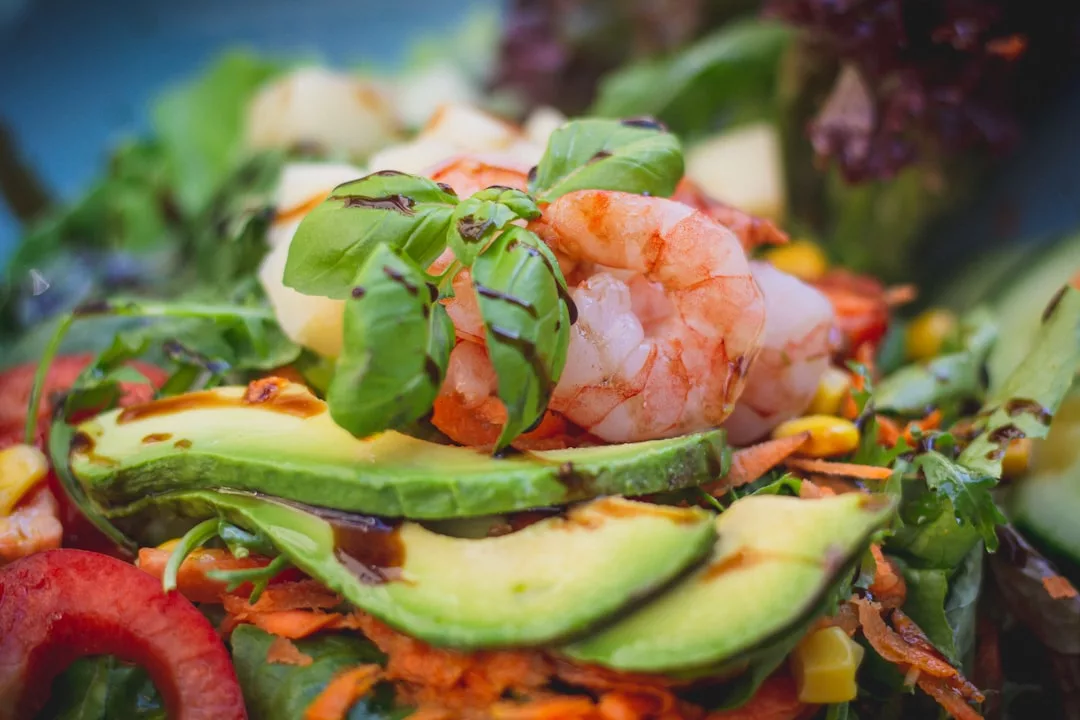
Blue Zones are regions of the world where people have been observed to live significantly longer and healthier lives than the global average. The term was popularized by Dan Buettner, a National Geographic Fellow, who identified five specific areas: Okinawa in Japan, Sardinia in Italy, Nicoya Peninsula in Costa Rica, Ikaria in Greece, and Loma Linda in California. These regions are characterized not only by their high number of centenarians but also by the overall well-being of their populations.
The study of Blue Zones has garnered attention from researchers, health professionals, and the general public alike, as it offers valuable insights into the factors contributing to longevity. The importance of Blue Zones extends beyond mere statistics; they provide a blueprint for healthy living that can be emulated by individuals and communities worldwide. By examining the lifestyles, diets, and social structures of these regions, we can glean essential lessons about aging gracefully and maintaining vitality well into old age.
The findings from Blue Zone research emphasize that longevity is not solely determined by genetics but is significantly influenced by lifestyle choices, environmental factors, and social connections. This holistic approach to health challenges conventional notions of aging and encourages a more integrated view of well-being.
Key Takeaways
- Blue Zones are regions of the world where people live longer, healthier lives.
- These areas are important for longevity research as they provide insight into the factors that contribute to a long and healthy life.
- Diet plays a crucial role in the longevity of Blue Zone residents.
- Blue Zone diets are primarily plant-based and consist of whole foods and local produce.
- Beans, legumes, and olive oil are staple components of Blue Zone diets.
The Role of Diet in Blue Zone Longevity
Diet plays a pivotal role in the longevity observed in Blue Zones. The dietary habits of these populations are not only diverse but also deeply rooted in their cultural traditions and local environments. For instance, the traditional Okinawan diet is rich in sweet potatoes, green leafy vegetables, and soy products, while the Mediterranean diet prevalent in Sardinia emphasizes whole grains, fruits, vegetables, and healthy fats.
These diets are characterized by their low caloric density and high nutrient content, which contribute to overall health and longevity. Moreover, the dietary patterns in Blue Zones often reflect a strong connection to local agriculture and seasonal eating. Residents tend to consume foods that are grown in their immediate surroundings, which not only supports local economies but also ensures that they are eating fresh, nutrient-dense foods.
This emphasis on local produce is crucial for maintaining a balanced diet that provides essential vitamins and minerals necessary for optimal health. The integration of traditional cooking methods and communal meals further enhances the nutritional value of their diets while fostering social bonds that are equally important for longevity.
Examining the Key Components of Blue Zone Diets
The diets of Blue Zone populations share several key components that contribute to their remarkable health outcomes. One of the most notable features is the predominance of plant-based foods. Fruits, vegetables, whole grains, nuts, and legumes form the foundation of these diets, providing essential nutrients while minimizing the intake of processed foods and added sugars.
For example, the Ikarians consume a variety of wild greens and herbs that not only add flavor but also offer numerous health benefits due to their antioxidant properties. Another critical aspect is the low consumption of meat and dairy products. In many Blue Zones, meat is viewed more as a flavoring agent than a main dish.
For instance, in Sardinia, meat is typically reserved for special occasions rather than being a staple part of daily meals. This moderation in animal protein intake is associated with lower rates of chronic diseases such as heart disease and diabetes. Additionally, the inclusion of healthy fats, primarily from sources like olive oil, further enhances the nutritional profile of these diets while promoting heart health.
Plant-Based Diets in Blue Zones: What We Can Learn
The emphasis on plant-based diets in Blue Zones offers valuable lessons for those seeking to improve their health and longevity. Research consistently shows that diets rich in fruits, vegetables, whole grains, and legumes are associated with lower risks of chronic diseases and improved overall health outcomes. For instance, studies have demonstrated that individuals who consume a predominantly plant-based diet experience lower rates of obesity, hypertension, and cardiovascular diseases. Simple strategies such as adding an extra serving of vegetables to meals or replacing meat with legumes a few times a week can significantly impact health over time. Furthermore, learning from the culinary traditions of Blue Zones can inspire individuals to explore new flavors and cooking techniques that highlight the versatility and deliciousness of plant-based ingredients.
The Importance of Whole Foods and Local Produce in Blue Zone Diets
Whole foods and local produce are cornerstones of Blue Zone diets, contributing to both nutritional quality and sustainability. Whole foods, those that are minimally processed and free from artificial additives, are packed with essential nutrients that support overall health. In contrast to processed foods that often contain high levels of sugar, salt, and unhealthy fats, whole foods provide a wealth of vitamins, minerals, fiber, and antioxidants that are crucial for maintaining bodily functions.
Local produce plays an equally vital role in the dietary habits of Blue Zone populations. Additionally, supporting local agriculture fosters community connections and reduces environmental impact through decreased transportation emissions.
This relationship between food systems and health underscores the importance of making conscious choices about food sources to promote both personal well-being and environmental sustainability.
Exploring the Role of Beans and Legumes in Blue Zone Diets
Beans and legumes are often referred to as “superfoods” within Blue Zone diets due to their impressive nutritional profile and numerous health benefits. These plant-based protein sources are rich in fiber, vitamins, minerals, and antioxidants while being low in fat. For example, black beans are a staple in the Nicoya Peninsula diet; they provide essential nutrients such as folate, iron, and magnesium while promoting digestive health through their high fiber content.
The regular consumption of beans has been linked to various health benefits, including improved heart health and reduced risk of chronic diseases such as diabetes. Their low glycemic index helps regulate blood sugar levels, making them an excellent choice for maintaining energy levels throughout the day. Furthermore, beans are versatile ingredients that can be incorporated into a wide range of dishes, from soups and stews to salads and dips, making them an accessible option for anyone looking to enhance their diet with nutrient-dense foods.
The Role of Olive Oil in Blue Zone Diets
Olive oil is a defining feature of many Blue Zone diets, particularly those found in Mediterranean regions like Sardinia and Ikaria. Renowned for its heart-healthy properties, olive oil is rich in monounsaturated fats and antioxidants such as polyphenols. These compounds have been shown to reduce inflammation and lower the risk of chronic diseases such as heart disease and certain cancers.
Incorporating olive oil into daily meals can be as simple as using it as a dressing for salads or drizzling it over cooked vegetables. The traditional practice of consuming olive oil not only enhances flavor but also provides essential fatty acids that support brain health and cognitive function. The cultural significance of olive oil in these regions further emphasizes its role as a staple ingredient that promotes both physical health and social connection during communal meals.
The Benefits of Moderate Alcohol Consumption in Blue Zone Diets
Moderate alcohol consumption is another intriguing aspect observed in several Blue Zones, particularly among populations in Sardinia and Ikaria. Research suggests that moderate intake, typically defined as one glass of wine per day for women and up to two glasses for men, can have protective effects on heart health due to its potential to increase levels of high-density lipoprotein (HDL) cholesterol while reducing inflammation. The social context surrounding alcohol consumption also plays a significant role in its benefits.
In Blue Zones, drinking is often a communal activity enjoyed during meals with family or friends rather than an isolated habit. This social aspect enhances the overall experience and contributes to emotional well-being through strengthened relationships. However, it is essential to note that moderation is key; excessive alcohol consumption can lead to adverse health effects that outweigh any potential benefits.
The Role of Community and Social Connections in Blue Zone Diets
Community ties and social connections are fundamental components of life in Blue Zones that significantly influence longevity. Research indicates that strong social networks contribute to emotional well-being, reduce stress levels, and promote healthier lifestyle choices among individuals. In these regions, communal activities, such as shared meals or local festivals, foster a sense of belonging that enhances mental health.
The importance of community extends beyond mere social interaction; it also influences dietary habits. In many Blue Zones, meals are often enjoyed with family or friends rather than consumed alone. This practice not only encourages healthier eating patterns but also reinforces social bonds that contribute to overall happiness and life satisfaction.
By prioritizing relationships with others and engaging in community activities, individuals can create supportive environments that promote longevity.
How Blue Zone Diets Compare to Other Longevity Diets
When comparing Blue Zone diets to other longevity-focused dietary patterns, such as the Mediterranean diet or DASH (Dietary Approaches to Stop Hypertension), several similarities emerge. All these diets emphasize whole foods, plant-based ingredients, healthy fats, and moderate consumption of animal products. However, what sets Blue Zone diets apart is their unique cultural context and the integration of social connections into daily life.
For instance, while the Mediterranean diet highlights olive oil as a primary fat source, Blue Zone diets incorporate a broader range of healthy fats from nuts and seeds alongside olive oil. Additionally, the communal aspect inherent in Blue Zone eating habits fosters emotional well-being that may not be as pronounced in other dietary frameworks. This holistic approach underscores the idea that longevity is not solely about what we eat but also about how we live our lives within our communities.
Practical Tips for Incorporating Blue Zone Diet Principles into Your Life
Incorporating principles from Blue Zone diets into everyday life can be both rewarding and achievable with some practical strategies. Start by focusing on increasing your intake of plant-based foods; aim to fill half your plate with fruits and vegetables at each meal. Experiment with new recipes featuring legumes or whole grains to diversify your diet while enhancing nutritional value.
Additionally, consider sourcing local produce whenever possible; visiting farmers’ markets or joining community-supported agriculture (CSA) programs can help you access fresh ingredients while supporting local farmers. Embrace cooking methods that prioritize whole foods over processed options, roasting vegetables or preparing simple salads can be both delicious and nutritious. Lastly, cultivate social connections by sharing meals with family or friends regularly; this practice not only enhances enjoyment but also reinforces community ties that contribute to overall well-being.
By integrating these principles into your lifestyle gradually, you can create a healthier environment conducive to longevity inspired by the wisdom found within Blue Zones.
More in
More from Longevity

Longevity · 8 min
Unlocking Cognitive Function: The Key to Mental Sharpness
Cognitive function encompasses a range of mental processes that are essential for acquiring knowledge and understanding through thought, experience, a…

Longevity · 8 min
5 Tips for Better Cardiovascular Health
Cardiovascular health refers to the well-being of the heart and blood vessels, which are crucial for maintaining overall health and vitality. The card…

Longevity · 8 min
Unlocking the Anti-Aging Power of Sirtuins
Sirtuins are a family of proteins that play a crucial role in regulating cellular processes, including aging, inflammation, and metabolism. They are c…