Longevity · Longevity
Unlocking Cognitive Function: The Key to Mental Sharpness
Cognitive function encompasses a range of mental processes that are essential for acquiring knowledge and understanding through thought, experience, and the senses. It includes var…
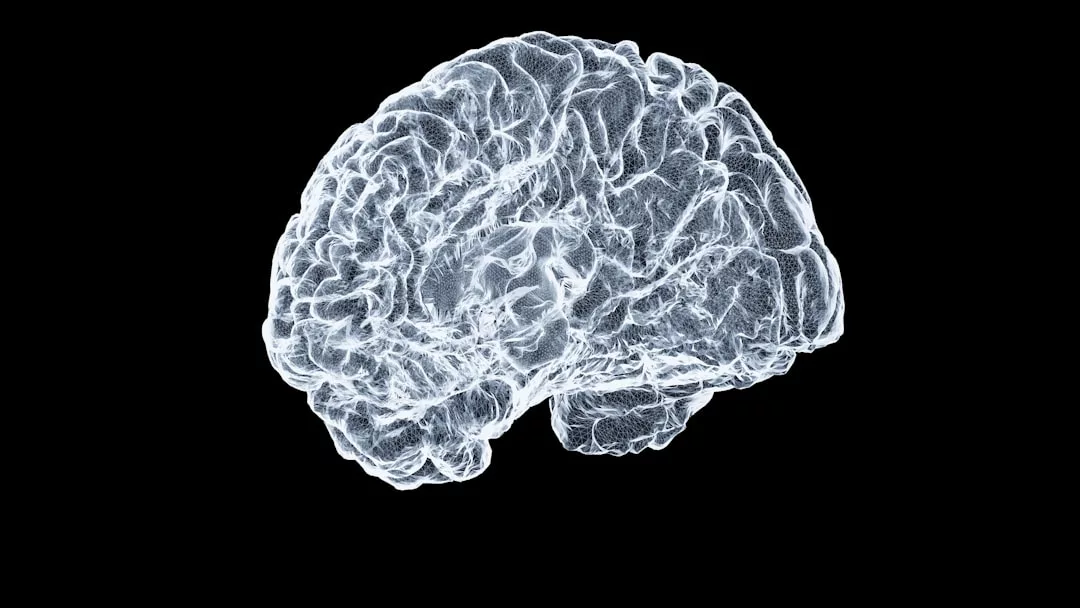
Cognitive function encompasses a range of mental processes that are essential for acquiring knowledge and understanding through thought, experience, and the senses. It includes various abilities such as attention, memory, reasoning, problem-solving, and decision-making. These functions are not isolated; they interact with one another to facilitate complex behaviors and tasks.
For instance, when solving a mathematical problem, an individual must utilize memory to recall relevant formulas, attention to focus on the task at hand, and reasoning to derive the solution. Cognitive function is crucial for everyday activities, from simple tasks like grocery shopping to more complex ones like managing finances or planning a career. The brain’s structure and chemistry play a significant role in cognitive function.
Different regions of the brain are responsible for different cognitive tasks. The prefrontal cortex, for example, is heavily involved in executive functions such as planning and decision-making, while the hippocampus is critical for memory formation. Neurotransmitters, the chemical messengers in the brain, also influence cognitive processes.
For instance, dopamine is associated with motivation and reward, while serotonin affects mood and cognition. Understanding these underlying mechanisms is vital for recognizing how cognitive function can be enhanced or impaired.
Key Takeaways
- Cognitive function refers to the mental processes that allow us to carry out everyday tasks, such as memory, attention, and problem-solving.
- Factors affecting cognitive function include age, genetics, lifestyle choices, and medical conditions.
- Mental sharpness is important for maintaining independence, productivity, and overall well-being.
- Techniques to improve cognitive function include brain training exercises, mindfulness meditation, and learning new skills.
- Nutrition, physical exercise, mental exercises, sleep, stress management, and social interaction all play a role in maintaining cognitive function.
Factors Affecting Cognitive Function
Numerous factors can influence cognitive function, ranging from biological to environmental elements. Age is one of the most significant factors; as individuals grow older, they may experience a natural decline in certain cognitive abilities. This decline can manifest as slower processing speeds or difficulties in multitasking.
However, it is essential to note that not all cognitive functions deteriorate with age; some aspects, such as vocabulary and accumulated knowledge, can remain stable or even improve over time. Lifestyle choices also play a critical role in cognitive health. Factors such as diet, physical activity, and sleep patterns can significantly impact cognitive performance.
For example, a sedentary lifestyle has been linked to a higher risk of cognitive decline, while regular physical activity has been shown to enhance brain health by promoting neurogenesis, the formation of new neurons. Additionally, chronic stress can adversely affect cognitive function by impairing memory and attention. Understanding these factors allows individuals to make informed choices that can positively influence their cognitive health.
Importance of Mental Sharpness
Maintaining mental sharpness is vital not only for personal well-being but also for professional success and social engagement. In an increasingly complex world, the ability to think critically and solve problems efficiently is more important than ever. Mental sharpness enables individuals to adapt to new situations, learn new skills, and navigate challenges effectively.
For instance, in the workplace, employees who demonstrate strong cognitive abilities are often more productive and better equipped to handle responsibilities that require quick thinking and creativity. Moreover, mental sharpness contributes to overall quality of life. It enhances one’s ability to engage in meaningful conversations, pursue hobbies, and maintain relationships.
Cognitive decline can lead to feelings of frustration and isolation, as individuals may struggle with tasks they once found easy. By prioritizing mental sharpness, individuals can foster a sense of accomplishment and fulfillment throughout their lives. This pursuit not only benefits the individual but also enriches their interactions with others, creating a more vibrant community.
Techniques to Improve Cognitive Function
There are various techniques that individuals can employ to enhance their cognitive function. One effective method is engaging in lifelong learning. This can involve taking up new hobbies, enrolling in courses, or simply reading books on diverse subjects.
The act of learning stimulates the brain and encourages the formation of new neural connections. For example, learning a new language or musical instrument challenges the brain in unique ways and has been shown to improve overall cognitive abilities. Another technique involves practicing mindfulness and meditation.
These practices have gained popularity for their ability to reduce stress and improve focus. Mindfulness encourages individuals to be present in the moment, which can enhance attention and concentration. Research has shown that regular meditation can lead to structural changes in the brain associated with improved cognitive function.
By incorporating mindfulness into daily routines, individuals can cultivate a sharper mind and better emotional regulation.
Nutrition and Cognitive Function
Nutrition plays a pivotal role in supporting cognitive function. The brain requires a variety of nutrients to operate optimally; deficiencies in certain vitamins and minerals can lead to cognitive impairments. For instance, omega-3 fatty acids found in fish are essential for brain health and have been linked to improved memory and mood regulation.
Similarly, antioxidants found in fruits and vegetables help combat oxidative stress, which can damage brain cells over time. Moreover, a balanced diet that includes whole grains, lean proteins, healthy fats, and plenty of fruits and vegetables can provide the necessary fuel for cognitive processes. The Mediterranean diet, rich in these components, has been associated with a lower risk of cognitive decline in older adults.
Additionally, staying hydrated is crucial; even mild dehydration can impair attention and short-term memory. By prioritizing nutrition, individuals can create a solid foundation for maintaining cognitive health throughout their lives.
Physical Exercise and Cognitive Function
Physical exercise is not only beneficial for physical health but also plays a significant role in enhancing cognitive function. Regular aerobic exercise has been shown to increase blood flow to the brain, promoting the delivery of oxygen and nutrients essential for optimal brain performance. Studies have demonstrated that individuals who engage in regular physical activity tend to have better memory retention and improved executive function compared to sedentary individuals.
Furthermore, exercise stimulates the release of neurotrophic factors such as Brain-Derived Neurotrophic Factor (BDNF), which supports the growth and survival of neurons. This process is particularly important for learning and memory formation. Activities such as running, swimming, or even brisk walking can have profound effects on cognitive health.
Incorporating physical exercise into daily routines not only enhances physical fitness but also serves as a powerful tool for maintaining mental acuity.
Mental Exercises for Cognitive Function
Engaging in mental exercises is an effective way to boost cognitive function and keep the mind sharp. Puzzles such as crosswords or Sudoku challenge the brain by requiring problem-solving skills and critical thinking. These activities stimulate various cognitive processes including memory recall and pattern recognition.
Research has shown that regularly engaging in such mental challenges can lead to improved cognitive performance over time. Additionally, games that require strategic thinking, such as chess or bridge, can enhance cognitive flexibility and decision-making skills. These games encourage players to think several steps ahead and consider multiple outcomes based on their choices.
Furthermore, technology has made it easier than ever to access brain-training apps designed specifically to improve various aspects of cognitive function through targeted exercises. By incorporating these mental workouts into daily life, individuals can actively work towards enhancing their cognitive abilities.
Sleep and Cognitive Function
Sleep is a fundamental component of cognitive health that is often overlooked in discussions about mental sharpness. During sleep, the brain undergoes critical processes that consolidate memories and clear out toxins accumulated during wakefulness. Research indicates that inadequate sleep can lead to impairments in attention, problem-solving skills, and overall cognitive performance.
Chronic sleep deprivation has been linked to long-term cognitive decline and an increased risk of neurodegenerative diseases such as Alzheimer’s. Establishing healthy sleep habits is essential for maintaining optimal cognitive function. This includes creating a consistent sleep schedule, ensuring a comfortable sleep environment, and limiting exposure to screens before bedtime. By prioritizing restorative sleep, individuals can significantly enhance their cognitive capabilities during waking hours.
Stress Management and Cognitive Function
Chronic stress has detrimental effects on cognitive function by impairing memory and attention while increasing anxiety levels. The body’s response to stress involves the release of cortisol, a hormone that can negatively impact brain regions involved in learning and memory when present in elevated levels over extended periods. This underscores the importance of effective stress management techniques for preserving cognitive health.
Mindfulness practices such as yoga or deep-breathing exercises can help mitigate stress levels by promoting relaxation and enhancing emotional regulation. Additionally, engaging in hobbies or spending time in nature has been shown to reduce stress while providing mental stimulation. By adopting strategies that effectively manage stress, individuals can protect their cognitive function from the adverse effects associated with chronic stressors.
Social Interaction and Cognitive Function
Social interaction plays a crucial role in maintaining cognitive function throughout life. Engaging with others stimulates various cognitive processes such as communication skills, empathy, and problem-solving abilities. Social activities provide opportunities for mental engagement that challenge the brain while fostering emotional connections that contribute to overall well-being.
Research has shown that individuals who maintain strong social networks tend to experience slower rates of cognitive decline compared to those who are socially isolated. Activities such as joining clubs or participating in community events not only enhance social connections but also provide mental stimulation through shared experiences and discussions. By prioritizing social interaction as part of a holistic approach to cognitive health, individuals can create enriching environments that support mental sharpness.
Seeking Professional Help for Cognitive Function
In some cases, individuals may experience significant challenges related to cognitive function that require professional intervention. Conditions such as dementia or other neurodegenerative diseases necessitate specialized care from healthcare providers who can offer tailored strategies for managing symptoms and improving quality of life. Early intervention is crucial; seeking help at the first signs of cognitive decline can lead to better outcomes.
Cognitive assessments conducted by professionals can provide valuable insights into an individual’s strengths and weaknesses regarding cognitive abilities. These assessments may guide personalized interventions aimed at enhancing specific areas of cognition through targeted therapies or lifestyle modifications. By recognizing when professional help is needed, individuals can take proactive steps toward preserving their cognitive health and ensuring they receive appropriate support throughout their journey.
More in
More from Longevity

Longevity · 9 min
Exploring Blue Zone Diets for Longevity
Blue Zones are regions of the world where people have been observed to live significantly longer and healthier lives than the global average. The term…

Longevity · 8 min
5 Tips for Better Cardiovascular Health
Cardiovascular health refers to the well-being of the heart and blood vessels, which are crucial for maintaining overall health and vitality. The card…

Longevity · 8 min
Unlocking the Anti-Aging Power of Sirtuins
Sirtuins are a family of proteins that play a crucial role in regulating cellular processes, including aging, inflammation, and metabolism. They are c…