Longevity · Longevity
Unlocking the Anti-Aging Power of Sirtuins
Sirtuins are a family of proteins that play a crucial role in regulating cellular processes, including aging, inflammation, and metabolism. They are classified as NAD+-dependent de…
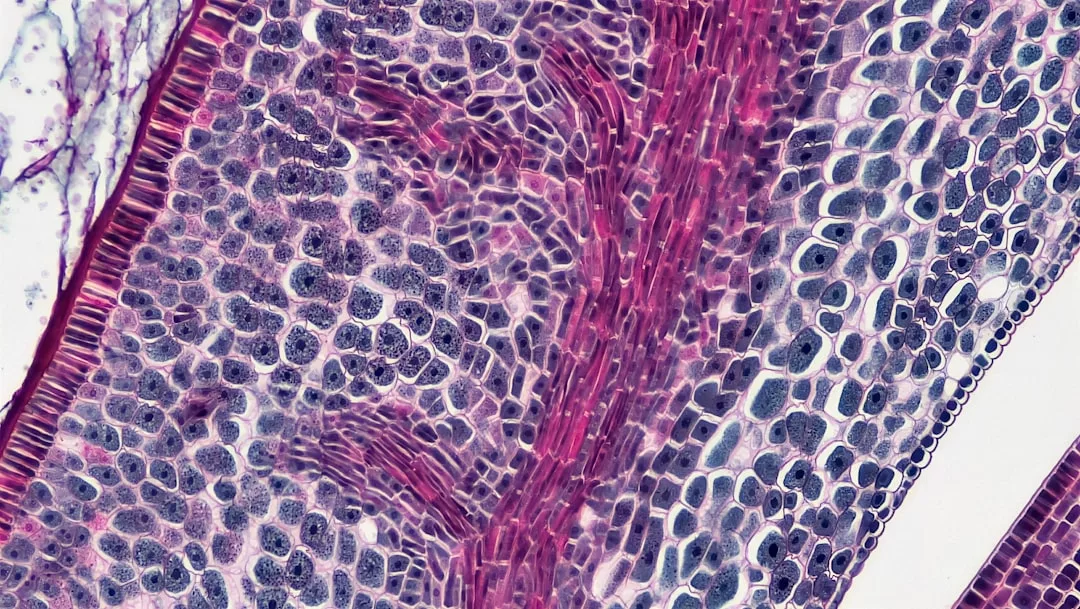
Sirtuins are a family of proteins that play a crucial role in regulating cellular processes, including aging, inflammation, and metabolism. They are classified as NAD+-dependent deacetylases, meaning they require nicotinamide adenine dinucleotide (NAD+) to function. This coenzyme is vital for energy metabolism and is involved in various biochemical reactions within the cell.
Sirtuins are found in all living organisms, from bacteria to humans, and are particularly abundant in tissues that have high metabolic activity, such as the liver, brain, and muscles. The seven known mammalian sirtuins, designated SIRT1 through SIRT7, each have distinct functions and cellular locations, contributing to their diverse roles in health and disease. The mechanism by which sirtuins exert their effects is primarily through the removal of acetyl groups from lysine residues on target proteins.
This deacetylation process can alter the activity, localization, or stability of these proteins, thereby influencing various signaling pathways. For instance, SIRT1 has been shown to deacetylate the p53 protein, a key regulator of the cell cycle and apoptosis, which can lead to enhanced cell survival under stress conditions. Additionally, sirtuins are involved in the regulation of gene expression by modulating histone acetylation, thereby influencing chromatin structure and accessibility.
This intricate interplay of sirtuins with other cellular components underscores their importance in maintaining cellular homeostasis.
Key Takeaways
- Sirtuins are a group of proteins that play a key role in regulating cellular health and longevity.
- Sirtuins are involved in the aging process and age-related diseases, and their activity can be influenced by lifestyle choices.
- Certain foods and nutrients, such as resveratrol and NAD+, can activate sirtuins and potentially offer health benefits.
- Sirtuin activation may have potential benefits for skin health, longevity, metabolism, and cellular repair.
- Sirtuins also have implications for neurodegenerative diseases and may be a target for anti-aging therapies in the future.
The Role of Sirtuins in Aging and Age-Related Diseases
Research has increasingly highlighted the role of sirtuins in the aging process and the development of age-related diseases. As organisms age, the levels of NAD+ decline, which can lead to reduced sirtuin activity. This decline is associated with various age-related conditions, including cardiovascular diseases, neurodegenerative disorders, and metabolic syndromes.
Sirtuins help mitigate these conditions by promoting cellular repair mechanisms, enhancing stress resistance, and regulating inflammation. For example, SIRT1 has been implicated in the protection against neurodegeneration by modulating inflammatory responses and promoting neuronal survival. Moreover, studies have shown that sirtuins can influence lifespan in various model organisms.
In yeast, worms, and flies, increased sirtuin activity has been linked to extended lifespan. This connection suggests that sirtuins may serve as a molecular link between dietary habits and longevity.
The potential for targeting sirtuins in therapeutic strategies for age-related diseases is an area of active research, with the hope that enhancing sirtuin activity could delay the onset of age-associated pathologies.
How Lifestyle Choices Affect Sirtuin Activity
Lifestyle choices significantly impact sirtuin activity and overall health. Factors such as diet, exercise, sleep patterns, and stress management can influence NAD+ levels and subsequently modulate sirtuin function.
This dietary approach not only promotes weight loss but also triggers metabolic adaptations that can improve healthspan, the period of life spent in good health, by reducing the risk of chronic diseases. Physical activity is another critical factor that affects sirtuin activity. Regular exercise has been demonstrated to increase NAD+ levels and activate sirtuins, particularly SIRT1 and SIRT3.
These changes can lead to improved mitochondrial function and enhanced metabolic flexibility. Furthermore, adequate sleep is essential for maintaining optimal sirtuin function; sleep deprivation can disrupt metabolic processes and lead to increased oxidative stress, which may impair sirtuin activity. Stress management techniques such as mindfulness and meditation can also play a role in maintaining healthy sirtuin levels by reducing chronic inflammation and promoting overall well-being.
Foods and Nutrients that Activate Sirtuins
Certain foods and nutrients have been identified as potential activators of sirtuins, offering a dietary approach to enhance their activity. Resveratrol, a polyphenolic compound found in red wine, grapes, and berries, is one of the most studied sirtuin activators. Research has shown that resveratrol can activate SIRT1, leading to improved insulin sensitivity and reduced inflammation.
Other sources of resveratrol include dark chocolate and certain nuts, making them appealing options for those looking to boost their sirtuin levels through diet. In addition to resveratrol, other compounds such as quercetin (found in onions and apples), curcumin (from turmeric), and epigallocatechin gallate (EGCG from green tea) have also been shown to activate sirtuins. These compounds not only promote sirtuin activity but also possess antioxidant properties that can further protect cells from oxidative damage.
Incorporating a variety of these foods into one’s diet may provide synergistic effects that enhance overall health while supporting the activation of sirtuins.
The Potential Benefits of Sirtuin Activation for Skin Health
Sirtuin activation may offer significant benefits for skin health by promoting cellular repair processes and enhancing resilience against environmental stressors. SIRT1, in particular, has been linked to skin aging and the maintenance of skin integrity. It plays a role in regulating the production of collagen and elastin, two essential proteins that contribute to skin elasticity and firmness.
By activating SIRT1 through lifestyle choices or dietary interventions, individuals may experience improved skin texture and reduced signs of aging. Moreover, sirtuins can help mitigate the effects of oxidative stress on skin cells caused by UV exposure and pollution. By enhancing the body’s antioxidant defenses and promoting DNA repair mechanisms, sirtuins may protect skin cells from damage that leads to premature aging and skin disorders such as melanoma or non-melanoma skin cancers.
The potential for topical applications of sirtuin activators is an exciting area of research that could lead to innovative skincare products aimed at rejuvenating aging skin.
Sirtuins and Longevity: Can They Help You Live Longer?
The relationship between sirtuins and longevity has garnered significant attention in scientific research. Studies in various model organisms have consistently shown that increased sirtuin activity correlates with extended lifespan. For example, genetic manipulation that enhances SIRT1 expression in mice has resulted in improved metabolic health and increased lifespan compared to control groups.
These findings suggest that targeting sirtuins could be a viable strategy for promoting longevity in humans. While the exact mechanisms remain under investigation, it is believed that sirtuins contribute to longevity by enhancing cellular stress resistance, improving mitochondrial function, and regulating metabolic pathways associated with aging. The activation of sirtuins through lifestyle interventions such as caloric restriction or regular exercise may mimic some aspects of these genetic manipulations without requiring invasive procedures.
As research continues to explore the potential of sirtuin-targeted therapies for extending lifespan and improving healthspan, it raises intriguing possibilities for future anti-aging strategies.
The Link Between Sirtuins and Metabolism
Sirtuins play a pivotal role in regulating metabolism by influencing various pathways involved in energy homeostasis. SIRT1 is particularly well-studied for its effects on glucose metabolism and lipid homeostasis. It acts on key metabolic regulators such as peroxisome proliferator-activated receptor gamma coactivator 1-alpha (PGC-1α), which promotes mitochondrial biogenesis and oxidative metabolism.
By enhancing mitochondrial function, SIRT1 helps improve insulin sensitivity and glucose uptake in peripheral tissues. Additionally, SIRT3 operates within mitochondria to regulate fatty acid oxidation and the urea cycle, processes critical for energy production and waste elimination. Dysregulation of these metabolic pathways is often associated with obesity, type 2 diabetes, and other metabolic disorders.
By activating sirtuins through dietary interventions or lifestyle changes, individuals may improve their metabolic profiles and reduce the risk of developing these conditions.
Sirtuins and Exercise: How Physical Activity Can Boost Sirtuin Activity
Exercise is a powerful modulator of sirtuin activity, with numerous studies demonstrating its beneficial effects on these proteins. Physical activity increases NAD+ levels within cells, thereby enhancing the activity of sirtuins such as SIRT1 and SIRT3. This activation leads to improved mitochondrial function, increased fatty acid oxidation, and enhanced insulin sensitivity, all crucial factors for maintaining metabolic health.
Moreover, exercise-induced activation of sirtuins can promote muscle repair and regeneration following physical exertion. For instance, SIRT1 has been shown to regulate muscle stem cell function during recovery from injury or stress. This regenerative capacity is vital for athletes or individuals engaging in regular physical training as it supports muscle adaptation and growth over time.
Incorporating regular exercise into one’s routine not only boosts overall fitness but also serves as a natural means to enhance sirtuin activity.
The Role of Sirtuins in Cellular Repair and DNA Maintenance
Sirtuins are integral to cellular repair mechanisms and DNA maintenance processes that are essential for preserving genomic integrity over time. They participate in various pathways involved in DNA damage response (DDR), helping cells cope with genotoxic stress from environmental factors or metabolic byproducts. For example, SIRT1 deacetylates key proteins involved in DDR such as p53 and Ku70, facilitating DNA repair processes while promoting cell survival under stress conditions.
Additionally, sirtuins contribute to telomere maintenance: the protective caps at the ends of chromosomes that shorten with each cell division. Telomere shortening is associated with cellular senescence and aging; thus, maintaining telomere length is crucial for longevity. By regulating telomerase activity through deacetylation processes, sirtuins may help extend cellular lifespan by preserving telomere integrity.
Sirtuins and Neurodegenerative Diseases: Can They Protect the Brain?
The potential protective role of sirtuins against neurodegenerative diseases has become an area of intense research interest due to their involvement in neuronal survival pathways. Conditions such as Alzheimer’s disease (AD) and Parkinson’s disease (PD) are characterized by neuroinflammation, oxidative stress, and impaired mitochondrial function, all areas where sirtuins exert protective effects. For instance, SIRT1 has been shown to reduce amyloid-beta toxicity in AD models by modulating inflammatory responses and promoting neuronal resilience.
Furthermore, studies suggest that enhancing sirtuin activity could mitigate neurodegeneration by improving synaptic plasticity, the ability of synapses to strengthen or weaken over time based on activity levels, which is crucial for learning and memory processes affected in neurodegenerative diseases. The exploration of pharmacological agents or lifestyle interventions aimed at activating sirtuins holds promise for developing novel therapeutic strategies for protecting brain health as we age.
The Future of Sirtuin-Targeted Therapies for Anti-Aging and Age-Related Diseases
The future of sirtuin-targeted therapies presents exciting possibilities for combating aging and age-related diseases through innovative approaches aimed at enhancing sirtuin activity. Researchers are actively investigating small molecules known as sirtuin activators (STACs) that could mimic the effects of caloric restriction or exercise without requiring drastic lifestyle changes. Compounds like resveratrol have already shown promise; however, ongoing studies aim to identify more potent STACs with fewer side effects.
Additionally, gene therapy approaches targeting specific sirtuins may offer a more direct method for enhancing their expression or activity within cells. Such strategies could potentially reverse or slow down age-related decline by restoring optimal cellular function across various tissues. As our understanding of the complex roles played by sirtuins deepens through continued research efforts, it opens up new avenues for developing effective interventions aimed at promoting healthy aging while reducing the burden of age-related diseases on individuals and healthcare systems alike.
More in
More from Longevity
Longevity · 8 min
Unlocking Cognitive Function: The Key to Mental Sharpness
Cognitive function encompasses a range of mental processes that are essential for acquiring knowledge and understanding through thought, experience, a…
Longevity · 9 min
Exploring Blue Zone Diets for Longevity
Blue Zones are regions of the world where people have been observed to live significantly longer and healthier lives than the global average. The term…

Longevity · 8 min
5 Tips for Better Cardiovascular Health
Cardiovascular health refers to the well-being of the heart and blood vessels, which are crucial for maintaining overall health and vitality. The card…