Longevity · Longevity
Mastering Blood Glucose Control: Key Strategies
Blood glucose levels refer to the concentration of glucose present in the bloodstream, which is a critical source of energy for the body’s cells. Glucose is derived from the …
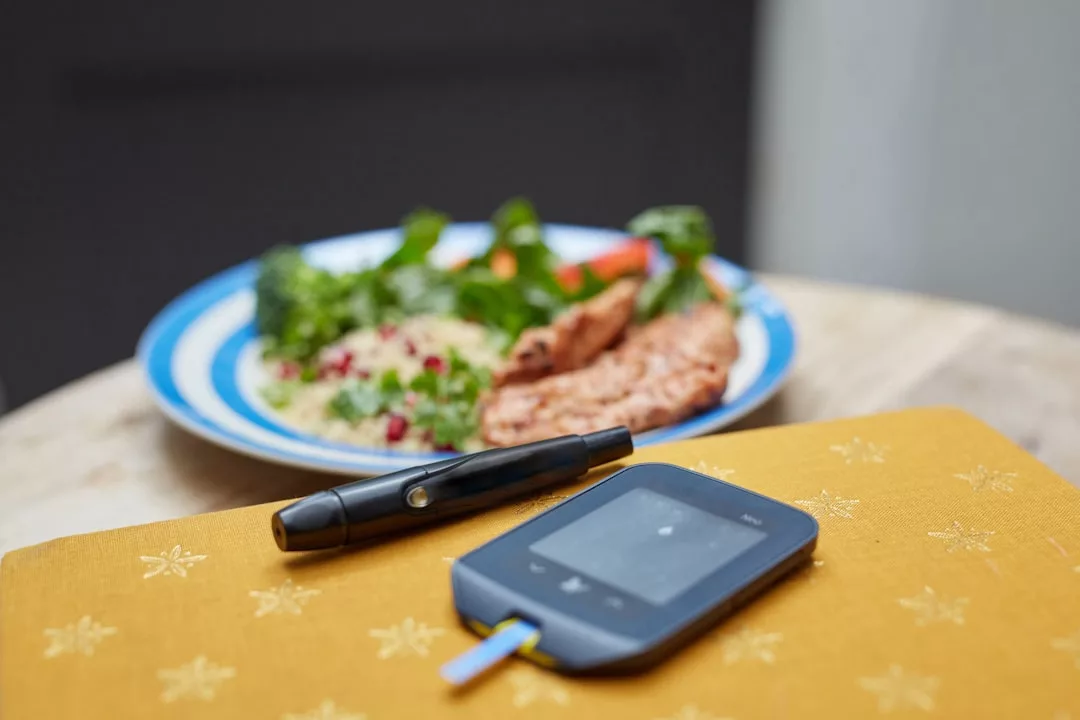
Blood glucose levels refer to the concentration of glucose present in the bloodstream, which is a critical source of energy for the body’s cells. Glucose is derived from the food we consume, particularly carbohydrates, and is regulated by hormones, primarily insulin and glucagon. Insulin, produced by the pancreas, facilitates the uptake of glucose into cells, while glucagon works to increase blood glucose levels when they fall too low.
Normal blood glucose levels typically range from 70 to 99 mg/dL when fasting and can rise to 140 mg/dL or higher after meals, depending on various factors such as the type of food consumed and individual metabolic responses. Understanding blood glucose levels is essential for recognizing how the body processes sugar and how various factors can influence these levels. For instance, after consuming a meal rich in carbohydrates, blood glucose levels will naturally rise as the body breaks down these carbohydrates into glucose.
However, in individuals with insulin resistance or diabetes, this process can be impaired, leading to elevated blood glucose levels that can have serious health implications over time. Monitoring these levels provides insight into metabolic health and can help in the early detection of conditions such as prediabetes and diabetes.
Key Takeaways
- Blood glucose levels indicate the amount of sugar in the blood and are crucial for overall health and wellbeing.
- Maintaining blood glucose control is essential for preventing long-term complications of diabetes and promoting overall health.
- Regular monitoring of blood glucose levels is important for understanding how food, exercise, and medication affect blood sugar levels.
- Nutrition plays a key role in blood glucose control, and a balanced diet can help manage blood sugar levels effectively.
- Regular exercise can help improve blood glucose control and overall health, and it is important to find an exercise routine that works for individual needs and abilities.
Importance of Blood Glucose Control
Maintaining optimal blood glucose control is vital for overall health and well-being. Chronic high blood glucose levels, known as hyperglycemia, can lead to a range of complications, including cardiovascular disease, nerve damage, kidney failure, and vision problems. Conversely, low blood glucose levels, or hypoglycemia, can result in symptoms such as dizziness, confusion, and even loss of consciousness.
Therefore, achieving a balance in blood glucose levels is crucial for preventing both short-term and long-term health issues. Effective blood glucose control is particularly important for individuals diagnosed with diabetes. For these individuals, managing blood sugar levels can significantly reduce the risk of complications associated with the disease.
Studies have shown that maintaining blood glucose levels within target ranges can lead to improved quality of life and longevity. Furthermore, good control of blood glucose can enhance energy levels and cognitive function, allowing individuals to engage more fully in daily activities and maintain a higher standard of living.
Monitoring Blood Glucose Levels
Monitoring blood glucose levels is an essential practice for individuals with diabetes and those at risk of developing the condition. Various methods are available for tracking these levels, ranging from traditional fingerstick blood tests to continuous glucose monitoring (CGM) systems. Fingerstick tests involve pricking the finger to obtain a drop of blood, which is then analyzed using a glucometer.
This method provides immediate feedback on current blood glucose levels but requires regular testing throughout the day. Continuous glucose monitoring systems offer a more comprehensive approach by providing real-time data on blood glucose fluctuations throughout the day and night. These devices consist of a small sensor placed under the skin that measures glucose levels in interstitial fluid.
The data is transmitted to a receiver or smartphone app, allowing users to track trends over time and make informed decisions about their diet, exercise, and medication management. This technology has revolutionized diabetes care by enabling proactive adjustments to lifestyle and treatment plans based on real-time information.
Nutrition and Blood Glucose Control
Nutrition plays a pivotal role in managing blood glucose levels. The types of foods consumed can significantly impact how quickly glucose enters the bloodstream. Foods high in refined carbohydrates and sugars can cause rapid spikes in blood sugar levels, while those rich in fiber, protein, and healthy fats tend to promote more stable glucose responses.
For instance, whole grains, legumes, vegetables, and lean proteins are excellent choices for maintaining balanced blood sugar levels. In addition to food choices, meal timing and portion sizes are also critical factors in blood glucose control. Eating smaller, more frequent meals throughout the day can help prevent large fluctuations in blood sugar levels.
Pairing carbohydrates with protein or healthy fats can slow down digestion and absorption, leading to a more gradual increase in blood glucose. Furthermore, understanding the glycemic index (GI) of foods can aid individuals in selecting options that have a lower impact on blood sugar levels. Foods with a low GI are digested more slowly and result in a gradual rise in blood sugar, making them preferable for those looking to maintain stable glucose levels.
Exercise and Blood Glucose Control
Physical activity is another key component in managing blood glucose levels effectively. Regular exercise enhances insulin sensitivity, allowing cells to utilize glucose more efficiently. This means that individuals who engage in consistent physical activity may require less insulin to maintain normal blood sugar levels.
Aerobic exercises such as walking, running, cycling, and swimming are particularly beneficial for improving cardiovascular health and promoting better glycemic control. In addition to aerobic exercise, resistance training has also been shown to have positive effects on blood glucose management. Building muscle mass increases the body’s ability to store glucose as glycogen, which can help lower blood sugar levels after meals.
Moreover, exercise has been linked to improved mood and reduced stress levels, both of which can further contribute to better overall health outcomes for individuals managing their blood sugar.
Medication Management for Blood Glucose Control
For many individuals with diabetes, lifestyle modifications alone may not be sufficient to achieve optimal blood glucose control. In such cases, medication management becomes necessary. There are several classes of medications available for diabetes management, each working through different mechanisms to lower blood sugar levels.
For instance, metformin is commonly prescribed as a first-line treatment for type 2 diabetes; it works by reducing hepatic glucose production and improving insulin sensitivity. Other medications may include sulfonylureas that stimulate insulin secretion from the pancreas or GLP-1 receptor agonists that enhance insulin release in response to meals while also promoting satiety. Insulin therapy may be required for individuals with type 1 diabetes or advanced type 2 diabetes when oral medications are no longer effective.
Understanding the various options available allows healthcare providers and patients to tailor treatment plans that best meet individual needs while considering factors such as lifestyle preferences and potential side effects.
Stress Management and Blood Glucose Control
Stress has a profound impact on blood glucose levels due to the release of stress hormones such as cortisol and adrenaline. These hormones can lead to increased insulin resistance and elevated blood sugar levels. Therefore, effective stress management techniques are essential for individuals looking to maintain stable blood glucose levels. Additionally, engaging in hobbies or activities that bring joy can serve as an effective outlet for stress relief. Whether it’s painting, gardening, or spending time with loved ones, finding ways to unwind can contribute positively to emotional well-being and subsequently improve glycemic control.
Recognizing the connection between mental health and physical health is crucial; addressing stress not only enhances quality of life but also plays a significant role in managing chronic conditions like diabetes.
Sleep and Blood Glucose Control
The relationship between sleep and blood glucose control is increasingly recognized in medical research. Poor sleep quality or insufficient sleep can lead to insulin resistance and impaired glucose metabolism. Studies have shown that individuals who consistently get less than seven hours of sleep per night may experience higher fasting blood sugar levels compared to those who prioritize adequate rest.
Sleep deprivation disrupts hormonal balance, affecting appetite-regulating hormones like ghrelin and leptin, which can lead to increased cravings for high-carbohydrate foods. Establishing healthy sleep habits is essential for maintaining optimal blood sugar levels. Creating a consistent sleep schedule by going to bed and waking up at the same time each day can help regulate circadian rhythms.
Additionally, creating a conducive sleep environment, such as keeping the bedroom dark, quiet, and cool, can enhance sleep quality.
Alcohol and Blood Glucose Control
Alcohol consumption can have varying effects on blood glucose levels depending on the type of beverage consumed and the amount ingested. Moderate alcohol intake may not significantly impact blood sugar levels for some individuals; however, excessive drinking can lead to hypoglycemia, especially when consumed on an empty stomach or alongside diabetes medications that lower blood sugar. This occurs because alcohol inhibits gluconeogenesis in the liver, reducing its ability to release glucose into the bloodstream.
For those managing diabetes or prediabetes, it is crucial to approach alcohol consumption with caution. Understanding how different alcoholic beverages affect individual responses is key; for example, sweet wines or sugary cocktails may cause spikes in blood sugar due to their high carbohydrate content. It’s advisable for individuals with diabetes to monitor their blood sugar before and after consuming alcohol and consult healthcare providers about safe drinking practices tailored to their specific health needs.
Managing Hypoglycemia and Hyperglycemia
Hypoglycemia (low blood sugar) and hyperglycemia (high blood sugar) are two critical conditions that require careful management for individuals with diabetes. Hypoglycemia can occur suddenly and may present symptoms such as shakiness, sweating, confusion, or irritability; if left untreated, it can lead to severe consequences like seizures or loss of consciousness. Individuals are often advised to carry fast-acting sources of glucose, such as glucose tablets or sugary snacks, to quickly address low blood sugar episodes.
On the other hand, hyperglycemia develops gradually over time and may be characterized by symptoms like increased thirst, frequent urination, fatigue, or blurred vision. Long-term hyperglycemia poses significant risks for complications such as neuropathy or cardiovascular disease. To manage hyperglycemia effectively, individuals may need to adjust their diet or medication regimen under the guidance of healthcare professionals while also incorporating regular physical activity into their routine.
Seeking Support for Blood Glucose Control
Managing blood glucose levels effectively often requires a multifaceted approach that includes medical guidance, lifestyle changes, emotional support, and education about diabetes management strategies. Support networks play an essential role in this journey; whether through family members who understand dietary needs or friends who encourage physical activity, having a strong support system can make a significant difference in adherence to treatment plans. Additionally, joining support groups or diabetes education programs can provide valuable resources for individuals seeking information about managing their condition effectively.
These groups offer opportunities for sharing experiences with others facing similar challenges while also learning from healthcare professionals about best practices for maintaining optimal health outcomes. Engaging with community resources fosters a sense of belonging and empowerment that can enhance motivation and commitment to achieving better blood glucose control over time.
More in
More from Longevity

Longevity · 8 min
Unlocking Cognitive Function: The Key to Mental Sharpness
Cognitive function encompasses a range of mental processes that are essential for acquiring knowledge and understanding through thought, experience, a…

Longevity · 9 min
Exploring Blue Zone Diets for Longevity
Blue Zones are regions of the world where people have been observed to live significantly longer and healthier lives than the global average. The term…

Longevity · 8 min
5 Tips for Better Cardiovascular Health
Cardiovascular health refers to the well-being of the heart and blood vessels, which are crucial for maintaining overall health and vitality. The card…