Longevity · Longevity
Maximizing Health with Antioxidants
Antioxidants are naturally occurring compounds that play a crucial role in protecting the body from oxidative stress, a condition characterized by an imbalance between free radical…

Antioxidants are naturally occurring compounds that play a crucial role in protecting the body from oxidative stress, a condition characterized by an imbalance between free radicals and antioxidants. Free radicals are unstable molecules that can cause cellular damage, leading to various health issues, including chronic diseases and aging. Antioxidants neutralize these free radicals, thereby preventing or mitigating their harmful effects.
They can be found in a variety of forms, including vitamins, minerals, and phytochemicals, each contributing uniquely to the body’s defense mechanisms. The most well-known antioxidants include vitamins C and E, beta-carotene, and selenium. These compounds are not only vital for maintaining cellular integrity but also support various physiological functions.
For instance, vitamin C is essential for collagen synthesis and immune function, while vitamin E protects cell membranes from oxidative damage. The body also produces some antioxidants endogenously, such as glutathione, but dietary sources are critical for optimal health. Understanding the nature and function of antioxidants is fundamental to appreciating their significance in nutrition and health.
Key Takeaways
- Antioxidants are compounds that help protect the body from damage caused by harmful molecules called free radicals.
- Antioxidants play a crucial role in neutralizing free radicals and preventing oxidative stress in the body.
- Sources of antioxidants in food include fruits, vegetables, nuts, seeds, and certain beverages like green tea and red wine.
- Antioxidants protect against diseases such as heart disease, cancer, and diabetes by reducing inflammation and oxidative damage.
- Antioxidants benefit skin health by protecting against UV damage, reducing signs of aging, and promoting overall skin radiance.
The Role of Antioxidants in the Body
Antioxidants serve multiple roles within the body, primarily focused on combating oxidative stress. Oxidative stress arises when there is an excess of free radicals, which can result from environmental factors such as pollution, UV radiation, and smoking, as well as internal processes like metabolism. When free radicals outnumber antioxidants, they can damage DNA, proteins, and lipids, leading to cellular dysfunction and contributing to the development of various diseases.
Antioxidants counteract this by donating electrons to free radicals, stabilizing them and preventing further cellular damage. Moreover, antioxidants are involved in numerous biochemical pathways that regulate inflammation and immune responses. For example, certain antioxidants can modulate signaling pathways that influence the production of pro-inflammatory cytokines.
This modulation is particularly important in chronic inflammatory conditions such as arthritis and cardiovascular diseases. By maintaining a balance between oxidative stress and antioxidant defense, these compounds help preserve cellular health and overall physiological function.
Sources of Antioxidants in Food
A diverse array of foods is rich in antioxidants, making it relatively easy to incorporate them into a balanced diet. Fruits and vegetables are among the most potent sources; for instance, berries such as blueberries, strawberries, and blackberries are packed with anthocyanins, a type of flavonoid known for its antioxidant properties. Leafy greens like spinach and kale are also excellent sources of vitamins A, C, and E, along with various carotenoids that contribute to their vibrant colors.
In addition to fruits and vegetables, nuts and seeds provide significant amounts of antioxidants. Walnuts and pecans are particularly high in polyphenols, while sunflower seeds offer vitamin E. Whole grains like oats and brown rice contain various antioxidants as well.
Spices such as turmeric and cinnamon are also noteworthy; curcumin, the active compound in turmeric, has been extensively studied for its antioxidant effects. By consuming a wide variety of these foods, individuals can ensure they receive a broad spectrum of antioxidants that work synergistically to promote health.
How Antioxidants Protect Against Disease
The protective role of antioxidants against disease is well-documented in scientific literature. Numerous studies have shown that diets rich in antioxidants are associated with a lower risk of chronic diseases such as heart disease, cancer, and neurodegenerative disorders. For instance, research indicates that individuals who consume high amounts of fruits and vegetables have a significantly reduced risk of developing cardiovascular diseases.
This protective effect is attributed to the ability of antioxidants to reduce inflammation and improve endothelial function. Certain studies have suggested that specific antioxidants like selenium may play a role in reducing the risk of prostate cancer.
However, it is essential to note that while antioxidants can contribute to disease prevention, they are not a panacea. A holistic approach that includes a balanced diet, regular physical activity, and other healthy lifestyle choices is crucial for optimal health.
The Benefits of Antioxidants for Skin Health
Antioxidants are not only beneficial for internal health but also play a significant role in maintaining skin health. The skin is constantly exposed to environmental stressors such as UV radiation and pollution, which can lead to oxidative damage and premature aging. Antioxidants help mitigate these effects by neutralizing free radicals generated by these external factors.
For example, vitamin C is known for its ability to promote collagen synthesis while protecting against UV-induced damage. Topical application of antioxidant-rich products has gained popularity in skincare routines. Ingredients like vitamin E, coenzyme Q10, and green tea extract are commonly found in serums and creams due to their protective properties against oxidative stress.
These compounds can help improve skin texture, reduce the appearance of fine lines and wrinkles, and enhance overall skin radiance. Furthermore, antioxidants can aid in the healing process of damaged skin by promoting cellular repair and regeneration.
Maximizing Antioxidant Absorption
To fully benefit from the antioxidant properties of foods, it is essential to maximize their absorption in the body. Several factors influence how well antioxidants are absorbed and utilized. For instance, the presence of fat can enhance the absorption of fat-soluble antioxidants like vitamins A, D, E, and K.
Consuming these vitamins alongside healthy fats, such as avocados or olive oil, can significantly improve their bioavailability. While some cooking techniques may degrade certain antioxidants (like vitamin C), others can enhance their availability.
For example, lightly steaming vegetables can help break down cell walls and release more carotenoids for absorption. Additionally, consuming whole foods rather than processed ones ensures that you receive the full spectrum of nutrients without losing beneficial compounds during processing.
Antioxidants and Exercise Performance
The relationship between antioxidants and exercise performance has garnered considerable attention in recent years. During intense physical activity, the body experiences an increase in oxidative stress due to heightened metabolic activity. This can lead to muscle fatigue and delayed recovery if not adequately managed.
Antioxidants may help mitigate these effects by reducing oxidative damage to muscle tissues and promoting recovery. Research has shown that athletes who consume diets rich in antioxidants may experience improved performance outcomes compared to those with lower antioxidant intake. For instance, studies indicate that supplementation with vitamin C or E can enhance recovery times after strenuous exercise by reducing muscle soreness and inflammation.
However, it is essential for athletes to strike a balance; excessive antioxidant supplementation may interfere with the body’s natural adaptive responses to exercise.
Antioxidants and Mental Health
Emerging research suggests that antioxidants may also play a role in mental health by protecting against neurodegenerative diseases such as Alzheimer’s and Parkinson’s disease. Oxidative stress has been implicated in the pathogenesis of these conditions; therefore, antioxidants may help mitigate cognitive decline by reducing oxidative damage to neurons. For example, studies have shown that individuals with higher dietary intake of antioxidants exhibit better cognitive function as they age.
Moreover, certain antioxidants have been linked to mood regulation. For instance, omega-3 fatty acids, found in fatty fish, are known for their anti-inflammatory properties and have been associated with reduced symptoms of depression and anxiety. Similarly, flavonoids found in dark chocolate have been shown to improve mood and cognitive performance due to their ability to enhance blood flow to the brain.
Antioxidants and Aging
The aging process is closely associated with increased oxidative stress and inflammation; thus, antioxidants are often touted for their potential anti-aging benefits. As we age, our bodies produce fewer endogenous antioxidants while simultaneously experiencing an increase in free radical production. This imbalance contributes to age-related diseases such as cardiovascular issues, diabetes, and neurodegenerative disorders.
Research indicates that diets rich in antioxidants may help slow down the aging process at both cellular and systemic levels. For example, studies have shown that individuals who consume high levels of fruits and vegetables tend to have longer telomeres, protective caps on chromosomes that shorten with age, indicating better cellular longevity. Additionally, certain antioxidant supplements have been investigated for their potential to improve skin elasticity and reduce signs of aging.
Recommended Antioxidant Intake
While there is no specific recommended daily allowance (RDA) for antioxidants due to their diverse nature and varying effects on health, general guidelines suggest incorporating a wide variety of antioxidant-rich foods into your diet. The American Heart Association recommends consuming at least five servings of fruits and vegetables daily to ensure adequate intake of vitamins C and E along with other beneficial phytochemicals. It is also advisable to focus on whole food sources rather than relying solely on supplements for antioxidant intake.
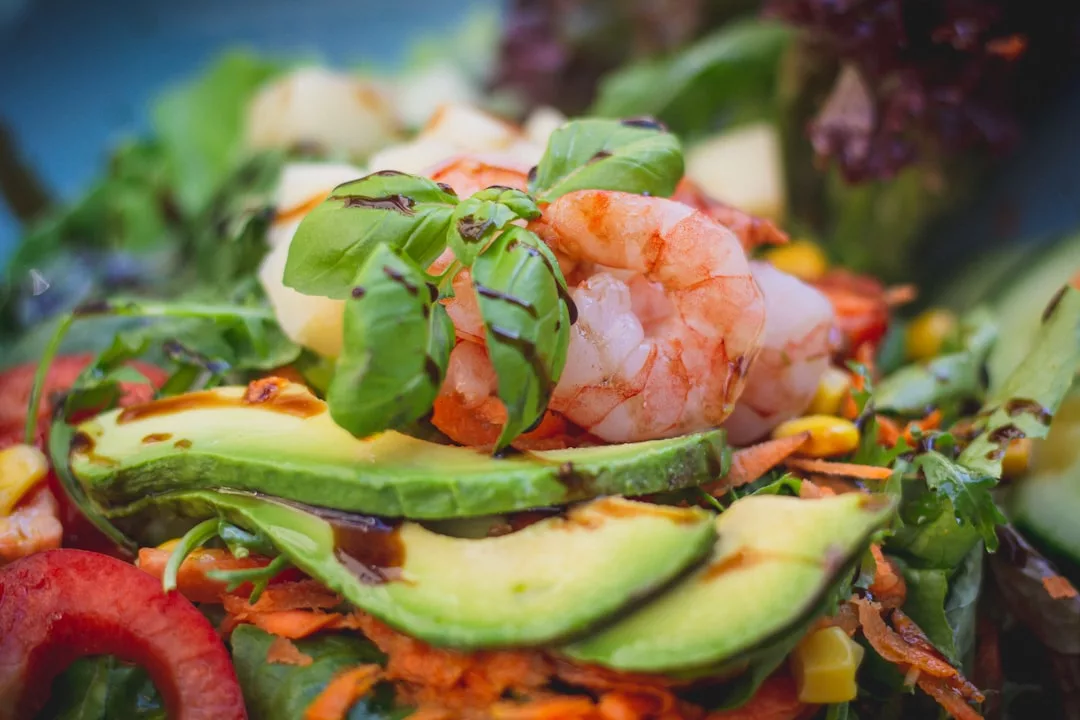
Whole foods provide a complex matrix of nutrients that work synergistically to promote health beyond what isolated supplements can offer. A colorful plate filled with fruits like berries, vegetables like spinach or kale, nuts like walnuts or almonds, and spices like turmeric can help meet your antioxidant needs effectively.
Potential Risks of Antioxidant Supplementation
While antioxidants are essential for health, excessive supplementation can pose risks rather than benefits. High doses of certain antioxidant supplements may interfere with natural physiological processes or lead to adverse effects. For instance, studies have shown that high doses of beta-carotene supplements may increase the risk of lung cancer in smokers rather than providing protective benefits.
Moreover, some research suggests that excessive antioxidant supplementation may blunt the body’s adaptive responses to exercise by reducing oxidative stress that is necessary for muscle adaptation and growth. This highlights the importance of obtaining antioxidants primarily through dietary sources rather than relying on supplements unless specifically recommended by healthcare professionals for particular health conditions or deficiencies. In summary, while antioxidants play a vital role in maintaining health through their protective effects against oxidative stress and inflammation, it is crucial to approach supplementation with caution and prioritize a balanced diet rich in whole foods for optimal benefits.
More in
More from Longevity

Longevity · 8 min
Unlocking Cognitive Function: The Key to Mental Sharpness
Cognitive function encompasses a range of mental processes that are essential for acquiring knowledge and understanding through thought, experience, a…
Longevity · 9 min
Exploring Blue Zone Diets for Longevity
Blue Zones are regions of the world where people have been observed to live significantly longer and healthier lives than the global average. The term…

Longevity · 8 min
5 Tips for Better Cardiovascular Health
Cardiovascular health refers to the well-being of the heart and blood vessels, which are crucial for maintaining overall health and vitality. The card…