Longevity · Longevity
Maximizing Health with Personalized Tracking
In an age where technology permeates every aspect of our lives, personalized tracking has emerged as a transformative tool in the realm of health and wellness. This concept revolve…
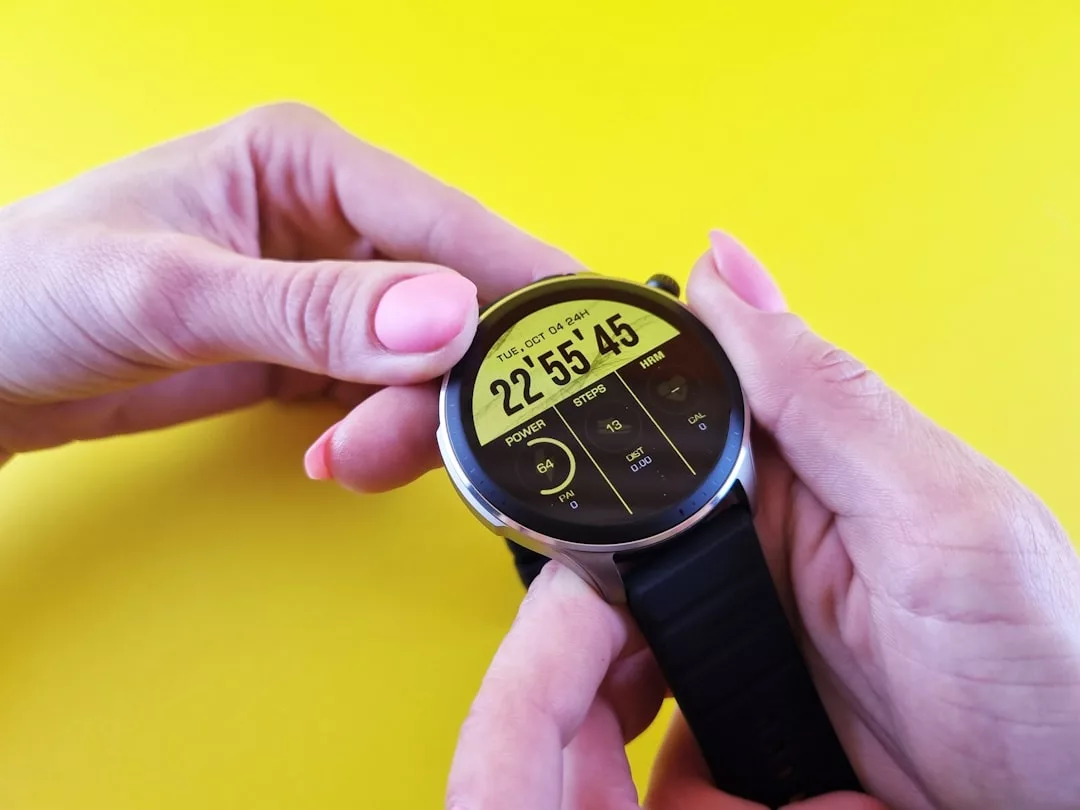
In an age where technology permeates every aspect of our lives, personalized tracking has emerged as a transformative tool in the realm of health and wellness. This concept revolves around the use of various devices and applications that allow individuals to monitor their health metrics, lifestyle choices, and overall well-being in a tailored manner. Unlike traditional health monitoring methods, which often provide generalized advice, personalized tracking focuses on the unique needs and circumstances of each individual.
This approach empowers users to take charge of their health by providing them with actionable insights based on their specific data. The rise of wearable technology, mobile health applications, and sophisticated data analytics has made personalized tracking more accessible than ever. From fitness trackers that monitor physical activity to apps that log dietary intake, the tools available today cater to a wide range of health-related goals.
As individuals become more aware of their health and wellness, personalized tracking serves as a bridge between self-awareness and informed decision-making, enabling users to cultivate healthier habits and improve their quality of life.
Key Takeaways
- Personalized tracking allows individuals to monitor and analyze their health and wellness data in real time.
- The benefits of personalized tracking include improved awareness of health habits, better goal setting, and more informed decision making.
- Choosing the right tracking tools and devices is essential for accurate and reliable data collection.
- Setting personalized health goals helps individuals stay motivated and focused on their wellness journey.
- Tracking physical activity, nutrition, sleep patterns, stress levels, and vital signs provides a comprehensive view of overall health and well-being.
Understanding the Benefits of Personalized Tracking
The benefits of personalized tracking extend far beyond mere data collection; they encompass a holistic approach to health management. One of the primary advantages is the ability to gain insights into one’s own body and lifestyle patterns. By consistently tracking various health metrics, individuals can identify trends that may not be apparent through casual observation.
For instance, someone who tracks their physical activity alongside their mood may discover that regular exercise correlates with improved mental well-being. This kind of insight can motivate individuals to maintain or enhance their healthy behaviors. Moreover, personalized tracking fosters accountability.
When individuals have access to their own data, they are more likely to stay committed to their health goals. The act of logging daily activities, meals, or sleep patterns creates a sense of responsibility and encourages users to make conscious choices. This accountability can be particularly beneficial in group settings, such as fitness classes or support groups, where sharing progress can inspire collective motivation.
Ultimately, personalized tracking not only enhances self-awareness but also cultivates a proactive mindset towards health management.
Choosing the Right Tracking Tools and Devices
Selecting the appropriate tracking tools and devices is crucial for effective personalized tracking. The market is saturated with options ranging from simple smartphone applications to advanced wearable technology like smartwatches and fitness bands.
For example, someone focused on weight loss may benefit from a food diary app that allows for easy logging of meals and calorie intake, while an athlete might prioritize a fitness tracker that monitors heart rate and workout intensity. Compatibility is another important factor when selecting tracking tools. Many devices sync with smartphones or computers, allowing users to consolidate their data in one place for easier analysis.
Additionally, some platforms offer integration with other health apps, creating a comprehensive ecosystem for monitoring various aspects of health. Users should also consider the user interface and ease of use; a complicated app may deter consistent usage. Ultimately, the right tools should align with personal preferences and provide meaningful insights that encourage ongoing engagement with one’s health journey.
Setting Personalized Health Goals
Establishing personalized health goals is a fundamental step in the journey of effective tracking. These goals should be specific, measurable, achievable, relevant, and time-bound (SMART). For instance, rather than setting a vague goal like “get fit,” an individual might aim to “run 5 kilometers in under 30 minutes within three months.” This specificity not only clarifies the objective but also provides a clear benchmark for progress.
In addition to physical fitness goals, individuals can set targets related to nutrition, sleep quality, or mental well-being. For example, someone might aim to consume five servings of fruits and vegetables daily or practice mindfulness meditation for ten minutes each day. By diversifying health goals across different domains, individuals can create a more balanced approach to wellness.
Regularly revisiting and adjusting these goals based on progress and changing circumstances is also essential; flexibility ensures that the goals remain relevant and motivating over time.
Tracking Physical Activity and Exercise
Physical activity tracking is one of the most popular aspects of personalized tracking, as it directly correlates with overall health outcomes. Wearable devices such as fitness trackers and smartwatches provide real-time data on steps taken, distance traveled, calories burned, and even heart rate during workouts. This information allows users to monitor their activity levels throughout the day and make adjustments as needed to meet their fitness goals.
In addition to basic metrics, many advanced trackers offer features like GPS mapping for outdoor activities, interval training modes for structured workouts, and even guided exercise routines. By analyzing this data over time, individuals can identify patterns in their physical activity, such as which days they are most active or how different types of exercise affect their energy levels. This insight can inform future workout plans and help users stay motivated by celebrating milestones achieved along the way.
Monitoring Nutrition and Diet
Nutrition plays a pivotal role in overall health, making it essential for individuals to track their dietary habits effectively. Various apps are available that allow users to log their meals, track macronutrient intake, and even scan barcodes for quick entry. By maintaining a food diary, individuals can gain insights into their eating patterns and identify areas for improvement.
For example, someone may discover that they consistently skip breakfast or consume excessive amounts of sugar throughout the day. Moreover, personalized nutrition tracking can help users align their dietary choices with specific health goals. For instance, those looking to lose weight may focus on calorie deficits while ensuring they meet their protein needs for muscle maintenance.
Conversely, individuals aiming to increase energy levels might prioritize complex carbohydrates and nutrient-dense foods. By understanding how different foods affect their bodies, such as energy levels or digestive comfort, users can make informed choices that support their overall wellness journey.
Tracking Sleep Patterns and Quality
Sleep is often overlooked in discussions about health; however, it is a critical component of overall well-being. Personalized tracking can provide valuable insights into sleep patterns and quality through various devices and apps designed specifically for this purpose. Many wearables now include sleep tracking features that monitor sleep duration, cycles (light vs.
deep sleep), and even disturbances throughout the night. By analyzing sleep data over time, individuals can identify trends that may impact their restfulness. For example, someone might notice that late-night screen time correlates with poorer sleep quality or that certain dietary choices affect how well they sleep.
Armed with this information, users can implement changes, such as establishing a bedtime routine or adjusting their evening meals, to enhance their sleep quality. Ultimately, prioritizing sleep through personalized tracking can lead to improved mood, cognitive function, and overall health.
Managing Stress and Mental Well-being
Mental well-being is an integral aspect of health that deserves attention alongside physical fitness and nutrition. Personalized tracking can play a significant role in managing stress levels and promoting mental wellness through various methods. Apps designed for mindfulness meditation or stress management often include features that allow users to log their moods or stress triggers throughout the day.
By consistently tracking emotional states alongside external factors, such as workload or social interactions, individuals can identify patterns that contribute to stress or anxiety. For instance, someone may find that certain work tasks consistently lead to heightened stress levels or that spending time outdoors improves their mood significantly. This awareness enables users to develop coping strategies tailored to their unique experiences; they might schedule regular breaks during work hours or incorporate mindfulness practices into their daily routine.
Tracking Health Metrics and Vital Signs
Beyond lifestyle factors like diet and exercise, personalized tracking can also encompass vital signs and other health metrics that provide insight into overall physical condition. Many modern wearables are equipped with sensors capable of monitoring heart rate variability (HRV), blood oxygen levels (SpO2), and even electrocardiograms (ECGs). These metrics can serve as early indicators of potential health issues or changes in fitness levels.
For example, an individual who tracks their resting heart rate over time may notice an upward trend that could indicate increased stress or decreased cardiovascular fitness. Similarly, monitoring HRV can provide insights into recovery from workouts or overall resilience to stressors. By understanding these vital signs in conjunction with lifestyle factors, such as sleep quality or exercise frequency, individuals can make informed decisions about when to seek medical advice or adjust their routines for better health outcomes.
Using Data to Make Informed Health Decisions
The true power of personalized tracking lies in its ability to transform raw data into actionable insights that inform health decisions. This analysis allows users to make informed choices rather than relying solely on generalized advice from external sources.
For instance, someone who tracks both physical activity and dietary intake may discover that certain foods negatively affect their energy levels during workouts. With this knowledge in hand, they can adjust their pre-workout meals accordingly to optimize performance. Similarly, by correlating sleep data with daily stress levels or productivity metrics, individuals can identify strategies that enhance both mental clarity and emotional resilience.
Maximizing Health and Wellness with Personalized Tracking
To truly maximize the benefits of personalized tracking, individuals must adopt a holistic approach that encompasses all aspects of health, physical activity, nutrition, sleep quality, mental well-being, and vital signs monitoring. By integrating these elements into a cohesive tracking strategy, users can create a comprehensive picture of their overall wellness journey. Regularly reviewing data across different domains allows individuals to celebrate successes while identifying areas for improvement.
For example, someone who has successfully increased their physical activity may now focus on enhancing sleep quality or refining dietary choices for better energy levels throughout the day. This iterative process fosters continuous growth and adaptation in one’s health journey. In conclusion, personalized tracking represents a powerful tool for individuals seeking to take control of their health and wellness journey.
By leveraging technology to monitor various aspects of life, from physical activity to mental well-being, users can gain valuable insights that inform decision-making and promote healthier habits over time. As this field continues to evolve with advancements in technology and data analytics, the potential for personalized tracking to enhance individual health outcomes will only grow stronger.
More in
More from Longevity

Longevity · 8 min
Unlocking Cognitive Function: The Key to Mental Sharpness
Cognitive function encompasses a range of mental processes that are essential for acquiring knowledge and understanding through thought, experience, a…

Longevity · 9 min
Exploring Blue Zone Diets for Longevity
Blue Zones are regions of the world where people have been observed to live significantly longer and healthier lives than the global average. The term…

Longevity · 8 min
5 Tips for Better Cardiovascular Health
Cardiovascular health refers to the well-being of the heart and blood vessels, which are crucial for maintaining overall health and vitality. The card…