Longevity · Longevity
Maximizing Productivity with Wearable Devices
Wearable devices have rapidly evolved from niche gadgets into essential tools that permeate various aspects of daily life. These devices, which include smartwatches, fitness tracke…
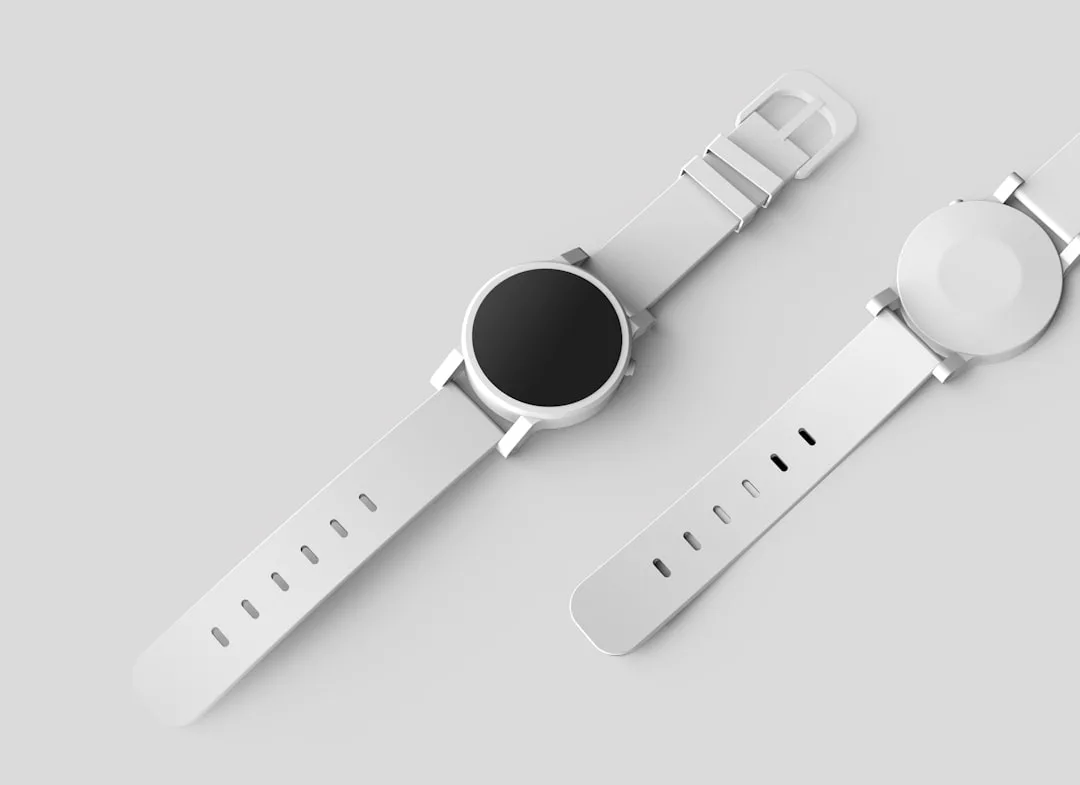
Wearable devices have rapidly evolved from niche gadgets into essential tools that permeate various aspects of daily life. These devices, which include smartwatches, fitness trackers, augmented reality glasses, and smart clothing, are designed to be worn on the body and often come equipped with sensors and connectivity features that allow them to collect and transmit data. The rise of wearable technology can be attributed to advancements in miniaturization, battery life, and wireless communication, making it possible for users to access real-time information and insights at their fingertips.
As a result, wearables have found applications in health monitoring, fitness tracking, productivity enhancement, and even entertainment. The integration of wearable devices into everyday routines has sparked a significant shift in how individuals approach their personal and professional lives. With the ability to monitor vital signs, track physical activity, and manage tasks seamlessly, these devices empower users to make informed decisions about their health and productivity.
The growing ecosystem of apps and services that complement wearable technology further enhances its utility, allowing users to customize their experience based on individual needs and preferences. As we delve deeper into the impact of wearable devices on productivity, it becomes evident that they are not merely accessories but rather transformative tools that can redefine how we work and live.
Key Takeaways
- Wearable devices can have a significant impact on productivity by providing convenient access to information and tools.
- When choosing a wearable device, consider your specific needs and how the device will integrate with your existing workflow.
- Wearable devices can be utilized for time management, allowing users to track and optimize their daily activities.
- Tracking health and wellness with wearable devices can provide valuable insights for improving overall well-being and productivity.
- Integrating wearable devices with task management systems can enhance communication, collaboration, and remote work capabilities.
The Impact of Wearable Devices on Productivity
The influence of wearable devices on productivity is multifaceted, affecting both individual performance and organizational efficiency. For individuals, wearables can serve as constant reminders to stay focused on tasks, manage time effectively, and maintain a healthy work-life balance. For instance, smartwatches can send notifications for upcoming meetings or deadlines, ensuring that users remain organized throughout the day.
Additionally, features such as calendar integration and voice commands allow for hands-free task management, enabling users to stay engaged in their work without the distraction of constantly checking their phones or computers. On an organizational level, the adoption of wearable technology can lead to enhanced collaboration among team members. For example, companies that implement smart glasses for remote assistance can facilitate real-time communication between on-site workers and experts located elsewhere.
This capability not only streamlines problem-solving processes but also reduces downtime and increases overall productivity. Furthermore, wearables can provide valuable data analytics that help organizations identify patterns in employee performance and well-being, allowing for targeted interventions that boost morale and efficiency.
Choosing the Right Wearable Device for Your Needs
Selecting the appropriate wearable device requires careful consideration of individual needs and lifestyle preferences. The market offers a plethora of options, each with unique features tailored to specific use cases. For instance, fitness enthusiasts may prioritize devices with advanced health tracking capabilities, such as heart rate monitoring, GPS tracking for outdoor activities, and sleep analysis.
In contrast, professionals seeking productivity enhancements might focus on smartwatches that offer seamless integration with task management apps and communication tools. When evaluating wearable devices, it is essential to assess compatibility with existing technology ecosystems. For example, individuals who use Apple products may find that an Apple Watch provides a more cohesive experience due to its integration with iOS applications.
Conversely, Android users might prefer devices from manufacturers like Samsung or Fitbit that offer similar functionalities. Additionally, factors such as battery life, design aesthetics, and user interface should also play a role in the decision-making process. By aligning the features of a wearable device with personal goals and daily routines, users can maximize the benefits derived from their investment.
Utilizing Wearable Devices for Time Management
Time management is a critical skill in today’s fast-paced world, and wearable devices can significantly enhance this capability. Many smartwatches come equipped with features that allow users to set reminders, create to-do lists, and receive alerts for important events. For instance, a user can program their smartwatch to vibrate when it’s time to transition between tasks or take breaks, promoting a structured approach to managing their day.
This proactive method helps individuals stay on track with their schedules while minimizing the risk of procrastination. Moreover, wearables can facilitate better time allocation by providing insights into how time is spent throughout the day. Some devices offer analytics that break down time usage across various activities, work tasks, meetings, exercise, or leisure, allowing users to identify areas where they may be overcommitting or underutilizing their time.
By analyzing this data, individuals can make informed adjustments to their routines, ensuring that they allocate sufficient time for high-priority tasks while also incorporating necessary breaks for mental rejuvenation.
Tracking and Analyzing Health and Wellness with Wearable Devices
The health and wellness capabilities of wearable devices have garnered significant attention in recent years. Many wearables are equipped with sensors that monitor various health metrics such as heart rate variability, blood oxygen levels, sleep patterns, and physical activity levels. This data collection empowers users to take charge of their health by providing actionable insights into their daily habits.
For example, a fitness tracker may alert a user if they have been sedentary for too long or encourage them to meet daily step goals. In addition to real-time monitoring, wearables often come with companion apps that allow users to analyze trends over time. By reviewing historical data on sleep quality or exercise frequency, individuals can identify correlations between their lifestyle choices and overall well-being.
This analytical approach enables users to set realistic health goals, such as improving sleep hygiene or increasing physical activity, and track their progress toward achieving these objectives. The ability to visualize health data fosters a sense of accountability and motivation that can lead to lasting behavioral changes.
Integrating Wearable Devices with Task Management Systems
Enhanced Communication and Decision-Making
For instance, a project manager using a task management app like Trello or Asana can receive alerts on their smartwatch when team members update project statuses or when deadlines approach. This real-time feedback loop enhances communication within teams and allows for quicker decision-making processes.Streamlined Task Management Workflows
Some wearables enable users to dictate notes or updates via voice commands, further streamlining task management workflows.Improved Productivity
By leveraging these integrations, individuals can maintain focus on their work while staying informed about project developments. This seamless connection ensures that important information is always accessible, leading to improved productivity and efficiency.Enhancing Communication and Collaboration with Wearable Devices
Wearable devices have transformed the landscape of communication and collaboration in both personal and professional settings. Smartwatches equipped with messaging capabilities allow users to send quick replies or check notifications without needing to pull out their phones. This convenience is particularly beneficial in environments where multitasking is essential, such as during meetings or while commuting, enabling individuals to stay connected without sacrificing productivity.
In collaborative work environments, wearables can facilitate real-time communication among team members regardless of location. For example, augmented reality glasses can provide remote workers with visual overlays during video calls or allow them to share what they see with colleagues in different locations. This technology fosters a sense of presence and engagement that traditional communication methods may lack.
Furthermore, the ability to share information instantly enhances problem-solving capabilities and encourages innovative thinking within teams.
Using Wearable Devices for Remote Work and Telecommuting
The rise of remote work has underscored the importance of effective tools that support productivity outside traditional office settings. Wearable devices play a crucial role in this context by providing features that help remote workers stay organized and connected. For instance, smartwatches can sync with calendars to display upcoming meetings or deadlines at a glance, ensuring that remote employees remain aware of their commitments throughout the day.
Additionally, wearables can help remote workers maintain boundaries between work and personal life, a challenge many face when working from home. Features such as “Do Not Disturb” modes allow users to silence notifications during designated off-hours or breaks, promoting mental well-being while still enabling them to stay connected when necessary. By leveraging these functionalities effectively, remote workers can create structured routines that enhance both productivity and work-life balance.
Setting Goals and Monitoring Progress with Wearable Devices
Goal setting is an integral part of personal development and productivity enhancement; wearable devices provide an effective platform for tracking progress toward these goals. Many fitness trackers allow users to set specific targets related to physical activity, such as daily step counts or workout frequency, and provide real-time feedback on performance. This immediate feedback encourages users to stay motivated as they work toward achieving their objectives.
Moreover, wearables often include gamification elements that make goal tracking more engaging. Users may earn badges or rewards for reaching milestones or completing challenges within their fitness apps. This competitive aspect not only fosters motivation but also creates a sense of community among users who share similar goals.
By utilizing these features effectively, individuals can cultivate a proactive mindset toward personal growth while enjoying the journey toward achieving their aspirations.
Managing Distractions and Improving Focus with Wearable Devices
In an age characterized by constant distractions, from social media notifications to email alerts, wearable devices offer innovative solutions for managing focus and minimizing interruptions. Many smartwatches come equipped with features designed specifically for this purpose; for example, users can customize notification settings to filter out non-essential alerts during focused work sessions. This selective approach allows individuals to concentrate on high-priority tasks without being sidetracked by less important communications.
Additionally, some wearables incorporate mindfulness features that encourage users to take breaks or practice breathing exercises when stress levels rise. By promoting moments of reflection throughout the day, these devices help individuals maintain mental clarity and prevent burnout, a common challenge in today’s fast-paced work environment. The ability to manage distractions effectively contributes significantly to overall productivity levels while fostering a healthier approach to work.
Best Practices for Maximizing Productivity with Wearable Devices
To fully harness the potential of wearable devices for productivity enhancement, users should adopt best practices tailored to their unique needs and workflows. First and foremost is the importance of customization; individuals should take advantage of settings that allow them to tailor notifications based on priority levels or specific tasks. By filtering out unnecessary alerts while ensuring critical updates are received promptly, users can maintain focus without feeling overwhelmed.
Another best practice involves regularly reviewing data collected by wearables, whether it pertains to health metrics or task completion rates, to identify trends over time. This reflective practice enables users to make informed adjustments to their routines based on empirical evidence rather than assumptions alone. Additionally, integrating wearables into daily rituals, such as morning routines or end-of-day reflections, can reinforce positive habits while ensuring consistent engagement with productivity-enhancing features. By embracing these tools as integral components of daily life rather than mere accessories or gadgets alone, users stand poised not only to enhance their own performance but also contribute positively toward broader organizational objectives within collaborative environments.
More in
More from Longevity

Longevity · 8 min
Unlocking Cognitive Function: The Key to Mental Sharpness
Cognitive function encompasses a range of mental processes that are essential for acquiring knowledge and understanding through thought, experience, a…

Longevity · 9 min
Exploring Blue Zone Diets for Longevity
Blue Zones are regions of the world where people have been observed to live significantly longer and healthier lives than the global average. The term…

Longevity · 8 min
5 Tips for Better Cardiovascular Health
Cardiovascular health refers to the well-being of the heart and blood vessels, which are crucial for maintaining overall health and vitality. The card…