Longevity · Longevity
Neuroprotection: Preserving Brain Health
Neuroprotection refers to the mechanisms and strategies that aim to preserve neuronal structure and function in the face of injury, disease, or degeneration. This field of study ha…
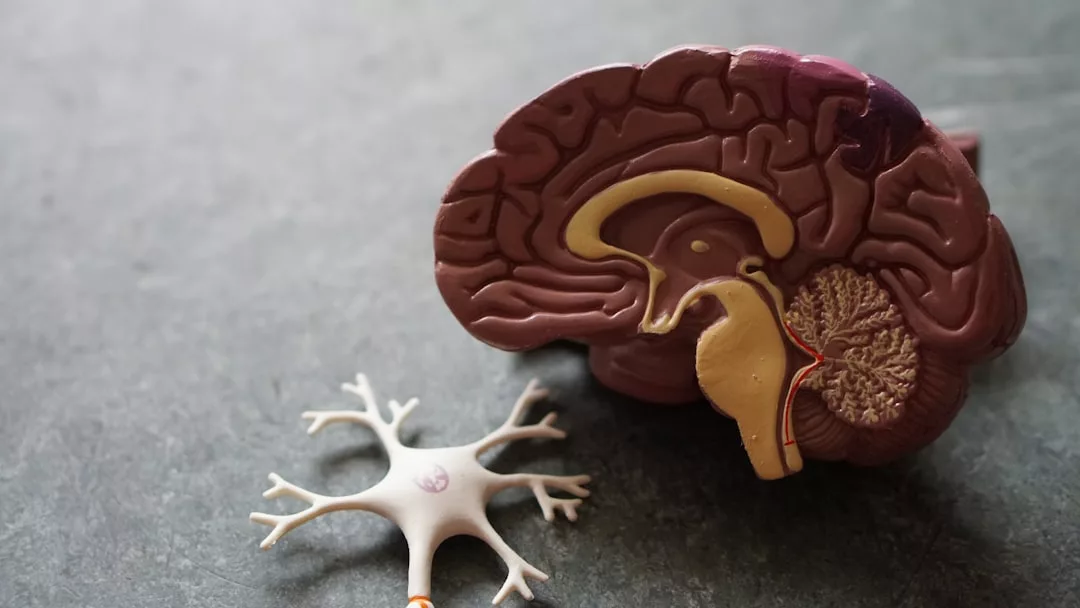
Neuroprotection refers to the mechanisms and strategies that aim to preserve neuronal structure and function in the face of injury, disease, or degeneration. This field of study has gained significant traction as researchers seek to understand the complex processes that lead to neurodegenerative diseases such as Alzheimer’s, Parkinson’s, and multiple sclerosis. Neuroprotection encompasses a variety of biological processes, including the reduction of oxidative stress, inflammation, and excitotoxicity, which can all contribute to neuronal death.
By identifying and enhancing neuroprotective pathways, scientists hope to develop therapies that can mitigate the effects of these debilitating conditions. The concept of neuroprotection is not limited to pharmacological interventions; it also includes lifestyle factors that can influence brain health. For instance, certain dietary components, physical activities, and mental exercises have been shown to bolster the brain’s resilience against damage.
Understanding neuroprotection thus requires a multidisciplinary approach that integrates insights from neuroscience, psychology, nutrition, and exercise science. This holistic perspective is essential for developing comprehensive strategies aimed at preserving cognitive function throughout the lifespan.
Key Takeaways
- Neuroprotection refers to strategies and interventions aimed at preserving the structure and function of the brain, and preventing or slowing down the progression of neurological disorders.
- Preserving brain health is crucial for maintaining cognitive function, emotional well-being, and overall quality of life, especially as we age.
- Strategies for neuroprotection include lifestyle changes, such as regular exercise, healthy diet, stress management, and adequate sleep, as well as cognitive stimulation and neuroprotective supplements.
- Lifestyle changes, including regular physical activity, healthy diet, stress management, and quality sleep, play a significant role in preserving brain health and reducing the risk of neurological disorders.
- A balanced diet rich in antioxidants, omega-3 fatty acids, and nutrients, along with regular physical activity, can help protect the brain from age-related decline and reduce the risk of cognitive impairment.
Importance of Preserving Brain Health
Preserving brain health is crucial not only for maintaining cognitive function but also for ensuring overall well-being. The brain is the control center for all bodily functions, influencing everything from movement to emotional regulation. As individuals age, the risk of neurodegenerative diseases increases, making it imperative to adopt strategies that support brain health early on.
Cognitive decline can significantly impact quality of life, leading to difficulties in daily activities, social interactions, and emotional stability. Therefore, prioritizing brain health is essential for fostering independence and enhancing life satisfaction. Moreover, the societal implications of declining brain health are profound.
With an aging population worldwide, the burden of neurodegenerative diseases on healthcare systems is escalating. Conditions such as dementia not only affect individuals but also place immense emotional and financial strain on families and caregivers. By focusing on neuroprotection and brain health preservation, society can potentially reduce the incidence of these diseases, leading to healthier aging populations and decreased healthcare costs.
This underscores the importance of proactive measures in promoting brain health across all age groups.
Strategies for Neuroprotection
Effective neuroprotection strategies can be categorized into pharmacological interventions, lifestyle modifications, and environmental factors. Pharmacological approaches often involve the use of drugs that target specific pathways associated with neuronal survival. For example, medications that inhibit neuroinflammation or enhance neurotrophic factors have shown promise in preclinical studies.
However, the development of such drugs requires extensive research to ensure their efficacy and safety in human populations. In addition to pharmacological strategies, lifestyle modifications play a pivotal role in neuroprotection. Engaging in regular physical activity, maintaining a balanced diet rich in antioxidants, and participating in cognitive training exercises are all strategies that have been linked to improved brain health.
Furthermore, social engagement and mental stimulation are critical components of a neuroprotective lifestyle. These strategies not only enhance cognitive reserve but also promote neuroplasticity, the brain’s ability to adapt and reorganize itself in response to new experiences.
Lifestyle Changes for Brain Health
Adopting a brain-healthy lifestyle involves making conscious choices that prioritize mental well-being. One of the most effective lifestyle changes is incorporating regular physical activity into daily routines. Exercise has been shown to increase blood flow to the brain, promote the release of neurotrophic factors like BDNF (brain-derived neurotrophic factor), and reduce inflammation, all of which contribute to neuronal health.
Activities such as aerobic exercise, strength training, and even yoga can enhance cognitive function and reduce the risk of neurodegenerative diseases. In addition to physical activity, fostering social connections is vital for brain health. Engaging in meaningful relationships and participating in community activities can provide emotional support and cognitive stimulation.
Social interactions challenge the brain by requiring communication skills and emotional regulation, both of which are essential for maintaining cognitive function as one ages. Therefore, prioritizing social engagement alongside physical activity creates a robust framework for promoting overall brain health.
Diet and Nutrition for Neuroprotection
Nutrition plays a fundamental role in supporting brain health and providing neuroprotective benefits. Diets rich in antioxidants, such as fruits, vegetables, nuts, and whole grains, help combat oxidative stress that can damage neurons. The Mediterranean diet, characterized by high consumption of olive oil, fish, legumes, and fresh produce, has been associated with a lower risk of cognitive decline.
This dietary pattern not only provides essential nutrients but also promotes cardiovascular health, which is closely linked to brain function. Specific nutrients have garnered attention for their neuroprotective properties. Omega-3 fatty acids found in fatty fish like salmon are known to support neuronal integrity and reduce inflammation.
Similarly, vitamins E and C have antioxidant properties that protect against oxidative damage. Additionally, flavonoids present in berries have been shown to enhance cognitive performance by improving blood flow to the brain. By focusing on a nutrient-dense diet that incorporates these beneficial components, individuals can actively support their brain health.
Exercise and Physical Activity for Brain Health
Boosting Cognitive Function
Aerobic exercises such as running or cycling increase heart rate and blood flow to the brain, delivering essential nutrients and oxygen while facilitating the removal of metabolic waste products.Improving Executive Functions
Moreover, resistance training has also been linked to improved cognitive outcomes.Contributing to Mental Resilience
Engaging in a variety of physical activities not only benefits physical health but also contributes to mental resilience by reducing symptoms of anxiety and depression. The cumulative effects of exercise on both physical and mental well-being underscore its importance as a cornerstone of neuroprotection.Stress Management and Mental Health
Chronic stress has detrimental effects on brain health, contributing to neuronal damage and increasing the risk of cognitive decline. The body’s stress response triggers the release of cortisol, a hormone that can impair memory formation and lead to structural changes in the hippocampus, the region of the brain associated with learning and memory. Therefore, effective stress management techniques are essential for preserving cognitive function.
Mindfulness practices such as meditation and yoga have gained popularity as effective tools for managing stress. Research has shown that mindfulness can lead to structural changes in the brain associated with improved emotional well-being and cognitive flexibility.
Additionally, engaging in hobbies or creative pursuits can serve as a form of stress relief while providing cognitive stimulation, further supporting overall brain health.
Sleep and its Impact on Brain Health
Sleep is a critical component of overall health that significantly impacts brain function. During sleep, the brain undergoes essential processes such as memory consolidation and detoxification through the glymphatic system, a network responsible for clearing waste products from the central nervous system. Insufficient sleep has been linked to cognitive impairments, including difficulties with attention, memory retention, and problem-solving abilities.
Moreover, chronic sleep deprivation has been associated with an increased risk of developing neurodegenerative diseases such as Alzheimer’s disease. Research indicates that disrupted sleep patterns can lead to an accumulation of amyloid-beta plaques, a hallmark feature of Alzheimer’s pathology, in the brain. Prioritizing good sleep hygiene practices, such as maintaining a consistent sleep schedule, creating a conducive sleep environment, and limiting screen time before bed, can significantly enhance sleep quality and support long-term brain health.
Cognitive Stimulation and Brain Training
Cognitive stimulation is vital for maintaining mental acuity throughout life. Engaging in activities that challenge the brain, such as puzzles, reading, learning new skills or languages, can promote neural connections and enhance cognitive reserve. This concept refers to the brain’s ability to adapt and compensate for age-related changes or damage by utilizing existing neural pathways more efficiently.
Brain training programs have gained popularity as tools designed to improve specific cognitive functions such as memory, attention, and processing speed. While some studies suggest that these programs can lead to improvements in targeted skills, others emphasize the importance of diverse cognitive challenges rather than relying solely on structured training exercises. Activities that require problem-solving or critical thinking, such as playing musical instruments or participating in strategy games, can provide holistic cognitive benefits while keeping the mind engaged.
Neuroprotective Supplements and Medications
The search for effective neuroprotective supplements has led to a growing interest in natural compounds that may support brain health. Omega-3 fatty acids are among the most studied supplements due to their anti-inflammatory properties and role in maintaining neuronal integrity. Other compounds such as curcumin (found in turmeric) have shown promise in preclinical studies for their potential neuroprotective effects against oxidative stress.
Additionally, certain vitamins, such as B vitamins (B6, B12) and vitamin D, are essential for optimal brain function. Deficiencies in these vitamins have been linked to cognitive decline; thus supplementation may be beneficial for individuals at risk or those experiencing mild cognitive impairment. However, it is crucial for individuals considering supplements to consult healthcare professionals before starting any regimen to ensure safety and efficacy.
Future Directions in Neuroprotection Research
The field of neuroprotection is rapidly evolving as researchers continue to uncover new insights into the mechanisms underlying neuronal health and disease progression. Future research directions may focus on personalized medicine approaches that tailor interventions based on individual genetic profiles or lifestyle factors. Advances in technology may also facilitate more precise monitoring of brain health through neuroimaging techniques or wearable devices that track cognitive performance.
Furthermore, interdisciplinary collaborations between neuroscientists, nutritionists, psychologists, and exercise physiologists will be essential for developing comprehensive strategies aimed at promoting neuroprotection across diverse populations. As our understanding of neurodegenerative diseases deepens, there is hope for innovative therapies that not only target symptoms but also address underlying causes, ultimately paving the way for healthier aging and improved quality of life for individuals worldwide.
More in
More from Longevity
Longevity · 8 min
Unlocking Cognitive Function: The Key to Mental Sharpness
Cognitive function encompasses a range of mental processes that are essential for acquiring knowledge and understanding through thought, experience, a…

Longevity · 9 min
Exploring Blue Zone Diets for Longevity
Blue Zones are regions of the world where people have been observed to live significantly longer and healthier lives than the global average. The term…

Longevity · 8 min
5 Tips for Better Cardiovascular Health
Cardiovascular health refers to the well-being of the heart and blood vessels, which are crucial for maintaining overall health and vitality. The card…