Longevity · Longevity
Promoting Healthy Aging: Tips for a Vibrant Life
Healthy aging is a multifaceted concept that encompasses not only the absence of disease but also the maintenance of physical, mental, and social well-being as individuals grow old…
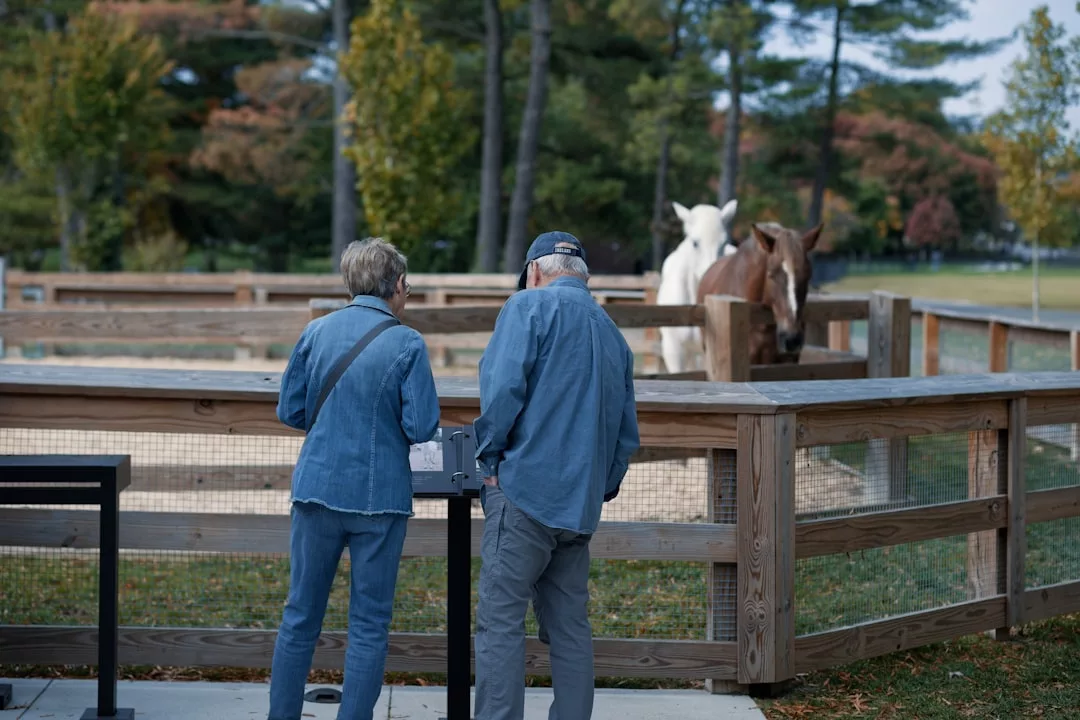
Healthy aging is a multifaceted concept that encompasses not only the absence of disease but also the maintenance of physical, mental, and social well-being as individuals grow older. It is a dynamic process that involves adapting to the changes that come with aging while actively engaging in behaviors that promote health and vitality. The World Health Organization defines healthy aging as the process of developing and maintaining the functional ability that enables well-being in older age.
This definition emphasizes the importance of maintaining independence and quality of life, rather than merely focusing on longevity. However, these changes do not have to lead to a decline in overall health.
Instead, understanding the principles of healthy aging allows individuals to take proactive steps to mitigate these effects. This includes adopting a holistic approach that integrates physical health, mental resilience, social engagement, and emotional stability. By recognizing the interconnectedness of these domains, older adults can cultivate a lifestyle that supports their overall well-being.
Key Takeaways
- Healthy aging involves maintaining physical, mental, and emotional well-being as we age
- Regular physical activity is crucial for healthy aging, helping to maintain strength, flexibility, and balance
- A balanced and nutritious diet is essential for healthy aging, providing the necessary nutrients for overall well-being
- Mental and emotional well-being play a significant role in healthy aging, with activities like meditation and therapy being beneficial
- Social connections are important for healthy aging, providing support, companionship, and a sense of belonging
Importance of Physical Activity
Physical activity is a cornerstone of healthy aging, playing a crucial role in maintaining physical fitness, enhancing mobility, and reducing the risk of chronic diseases. Engaging in regular exercise can help counteract the natural decline in muscle mass and strength that occurs with age. For instance, resistance training has been shown to improve muscle function and increase bone density, which is particularly important for preventing osteoporosis.
Additionally, aerobic activities such as walking, swimming, or cycling can enhance cardiovascular health and improve endurance. Beyond the physical benefits, exercise also has profound effects on mental health. Studies have demonstrated that regular physical activity can reduce symptoms of anxiety and depression while improving mood and cognitive function.
For example, a study published in the Journal of Aging and Physical Activity found that older adults who engaged in moderate-intensity exercise reported higher levels of life satisfaction and lower levels of perceived stress. Furthermore, group exercise classes can foster social connections, providing an additional layer of support and motivation for older adults to stay active.
Nutrition and Healthy Aging
Nutrition plays a pivotal role in healthy aging, influencing everything from energy levels to immune function. For instance, the Mediterranean diet, which emphasizes plant-based foods and healthy fats like olive oil, has been associated with a lower risk of chronic diseases and improved cognitive function in older adults.
Moreover, specific nutrients are particularly important for older adults. Calcium and vitamin D are essential for maintaining bone health, while omega-3 fatty acids found in fish can support heart health and cognitive function. Antioxidants present in colorful fruits and vegetables can combat oxidative stress, which is linked to aging and various diseases.
It is also crucial for older adults to stay hydrated; dehydration can lead to confusion and other serious health issues. Therefore, understanding nutritional needs and making informed dietary choices is vital for promoting longevity and quality of life.
Mental and Emotional Well-being
Mental and emotional well-being is an integral component of healthy aging. As individuals age, they may face various challenges such as loss of loved ones, retirement, or declining health, all of which can impact mental health. It is essential to address these challenges proactively by fostering resilience and coping strategies.
Engaging in mindfulness practices such as meditation or yoga can help older adults manage stress and enhance emotional regulation. Additionally, mental stimulation is crucial for maintaining cognitive health. Activities such as reading, puzzles, or learning new skills can help keep the brain active and engaged.
Research has shown that lifelong learning is associated with a reduced risk of cognitive decline. Social engagement also plays a significant role in mental well-being; participating in community activities or volunteering can provide a sense of purpose and belonging. By prioritizing mental health through various strategies, older adults can enhance their overall quality of life.
Social Connections and Healthy Aging
Social connections are vital for healthy aging, as they provide emotional support, reduce feelings of loneliness, and contribute to overall well-being. Research indicates that strong social ties are associated with better health outcomes in older adults. For example, a study published in the journal PLOS Medicine found that individuals with robust social networks had a 50% increased likelihood of survival compared to those with weaker connections.
Maintaining social relationships can take many forms: whether through family gatherings, friendships, or community involvement. Older adults who engage in social activities often report higher levels of happiness and lower levels of depression. Technology has also emerged as a valuable tool for fostering connections; video calls and social media platforms enable older adults to stay in touch with loved ones regardless of geographical barriers.
By nurturing social connections, individuals can enhance their emotional resilience and create a supportive network that contributes to healthy aging.
Preventative Health Care
Preventative health care is essential for promoting healthy aging and managing potential health issues before they become serious problems. Regular check-ups with healthcare providers allow for early detection of conditions such as hypertension or diabetes, which can significantly impact quality of life if left untreated. Screenings for cancers such as breast, prostate, or colorectal cancer are also crucial components of preventative care.
Vaccinations play a critical role in preventing infectious diseases that can disproportionately affect older adults. For instance, the flu vaccine is recommended annually for seniors to reduce the risk of severe illness or hospitalization during flu season. Additionally, the shingles vaccine can help prevent this painful condition that affects many older adults.
By prioritizing preventative health care measures, individuals can take charge of their health and reduce the likelihood of complications associated with aging.
Managing Chronic Conditions
Chronic conditions such as arthritis, diabetes, or heart disease are prevalent among older adults and require effective management strategies to maintain quality of life. Understanding how to manage these conditions involves not only adhering to medical advice but also making lifestyle adjustments that support overall health. For example, individuals with diabetes must monitor their blood sugar levels regularly while following a balanced diet tailored to their needs.
Education plays a crucial role in managing chronic conditions effectively. Older adults should be empowered with knowledge about their conditions so they can make informed decisions regarding their treatment options. Support groups can also provide valuable resources and encouragement for those dealing with similar challenges.
By actively participating in their care plans and seeking support when needed, individuals can navigate the complexities of chronic conditions more effectively.
Maintaining Cognitive Function
Cognitive decline is a common concern among older adults; however, there are numerous strategies to help maintain cognitive function as one ages. Engaging in mentally stimulating activities is one effective approach, activities such as playing musical instruments, learning new languages, or participating in memory games can enhance cognitive abilities and promote neuroplasticity. Physical exercise also contributes significantly to cognitive health by improving blood flow to the brain and promoting the growth of new neurons.
Research has shown that aerobic exercise can lead to improvements in memory and executive function among older adults. Furthermore, maintaining a healthy diet rich in antioxidants and omega-3 fatty acids supports brain health by reducing inflammation and oxidative stress. By incorporating these practices into daily life, individuals can work towards preserving cognitive function well into their later years.
Sleep and Healthy Aging
Sleep is often overlooked yet plays a critical role in healthy aging. Quality sleep is essential for physical health, cognitive function, and emotional well-being. As people age, they may experience changes in sleep patterns, such as difficulty falling asleep or staying asleep, which can lead to daytime fatigue and decreased quality of life.
Addressing sleep issues is vital for maintaining overall health. Establishing good sleep hygiene practices can significantly improve sleep quality among older adults. This includes creating a comfortable sleep environment by minimizing noise and light exposure while maintaining a consistent sleep schedule.
Limiting caffeine intake later in the day and engaging in relaxing activities before bedtime can also promote better sleep quality. Additionally, addressing underlying medical conditions that may disrupt sleep, such as sleep apnea or restless leg syndrome, is crucial for achieving restorative rest.
Healthy Aging for Caregivers
Caregivers play an essential role in supporting the health and well-being of older adults; however, they often face unique challenges that can impact their own health. It is vital for caregivers to prioritize their own well-being while providing care for others. This includes recognizing the signs of caregiver burnout, such as fatigue, irritability, or feelings of isolation, and taking proactive steps to address these issues.
Support networks are invaluable for caregivers; connecting with other caregivers through support groups or online forums can provide emotional support and practical advice. Additionally, caregivers should not hesitate to seek respite care services when needed to ensure they have time to recharge. By taking care of their own physical and mental health needs, caregivers can provide more effective support to their loved ones while promoting healthy aging for themselves.
Finding Purpose and Meaning in Later Life
Finding purpose and meaning in later life is a fundamental aspect of healthy aging that contributes significantly to overall well-being. Many older adults experience shifts in identity after retirement or significant life changes; thus, it becomes essential to explore new avenues for fulfillment. Engaging in volunteer work or pursuing hobbies can provide a sense of purpose while fostering social connections.
Research has shown that having a sense of purpose is linked to better physical health outcomes among older adults; individuals who feel they have meaningful roles tend to experience lower rates of depression and anxiety. Additionally, setting personal goals, whether related to fitness, learning new skills, or contributing to the community, can instill motivation and drive throughout the aging process. By actively seeking out opportunities for growth and connection, individuals can cultivate a fulfilling life that enhances their overall experience of aging gracefully.
More in
More from Longevity
Longevity · 8 min
Unlocking Cognitive Function: The Key to Mental Sharpness
Cognitive function encompasses a range of mental processes that are essential for acquiring knowledge and understanding through thought, experience, a…

Longevity · 9 min
Exploring Blue Zone Diets for Longevity
Blue Zones are regions of the world where people have been observed to live significantly longer and healthier lives than the global average. The term…

Longevity · 8 min
5 Tips for Better Cardiovascular Health
Cardiovascular health refers to the well-being of the heart and blood vessels, which are crucial for maintaining overall health and vitality. The card…