Longevity · Longevity
Quantified Self: The Key to Personalized Health
The Quantified Self (QS) movement is a burgeoning trend that emphasizes self-tracking and self-quantification as a means to enhance personal health and well-being. Originating in t…
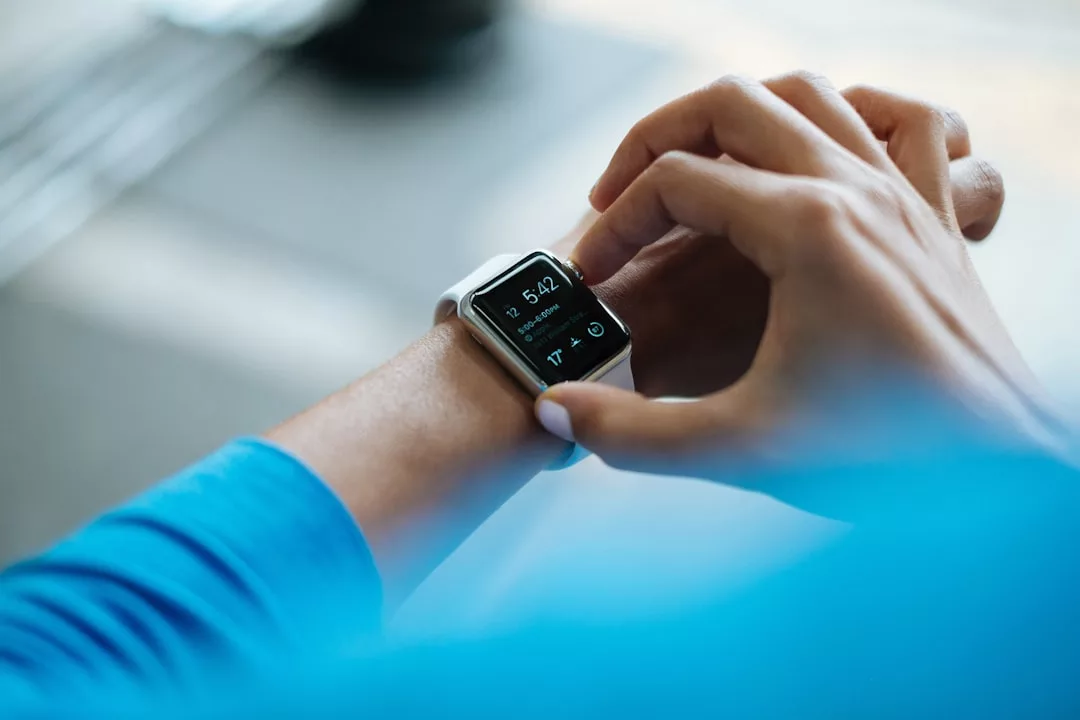
The Quantified Self (QS) movement is a burgeoning trend that emphasizes self-tracking and self-quantification as a means to enhance personal health and well-being. Originating in the early 2000s, this movement has gained traction among individuals who seek to leverage data about their own bodies and behaviors to make informed decisions regarding their health. The term “Quantified Self” was popularized by Gary Wolf and Kevin Kelly, co-founders of the Quantified Self organization, which aims to foster a community of self-trackers who share insights and experiences.
At its core, the movement encourages individuals to collect data on various aspects of their lives, including physical activity, sleep patterns, dietary habits, and even emotional states. The QS movement is not merely about collecting data; it is about transforming that data into actionable insights. Participants often utilize a variety of tools, ranging from simple journals to sophisticated wearable devices and mobile applications.
These tools enable users to monitor their health metrics in real-time, providing a comprehensive view of their lifestyle choices and their impacts on overall well-being. As the movement continues to evolve, it has sparked discussions around the implications of self-tracking on personal health management, privacy concerns, and the potential for data-driven healthcare solutions.
Key Takeaways
- The Quantified Self Movement is a trend where individuals use technology to track and analyze their personal health data.
- Technology plays a crucial role in personalized health by enabling individuals to monitor various health metrics and behaviors.
- Quantified self data can have a significant impact on health outcomes by providing individuals and healthcare professionals with valuable insights.
- Tracking personal health data offers benefits such as increased awareness, motivation for behavior change, and early detection of health issues.
- Utilizing quantified self data for preventive health measures can help individuals take proactive steps to maintain their well-being.
- The quantified self approach faces challenges and limitations, including data accuracy, privacy concerns, and the potential for information overload.
- Integrating quantified self data into healthcare can enhance patient care and treatment plans, but it also requires addressing interoperability and data security issues.
- Ethical considerations in quantified self data collection include consent, data ownership, and the responsible use of personal health information.
- The future of personalized health and the quantified self holds promise for advancing individualized care and improving health outcomes.
- Success stories of personalized health through quantified self demonstrate the potential for technology to empower individuals in managing their health.
- Tips for getting started with quantified self for personalized health include setting clear goals, choosing the right tracking tools, and seeking professional guidance when needed.
The Role of Technology in Personalized Health
Technology plays a pivotal role in the advancement of personalized health, particularly within the context of the Quantified Self movement. The proliferation of wearable devices such as fitness trackers, smartwatches, and health monitoring gadgets has made it easier than ever for individuals to gather data about their daily activities and physiological metrics. These devices can track a wide array of information, including heart rate, steps taken, calories burned, sleep quality, and even blood glucose levels.
The integration of sensors and algorithms allows for continuous monitoring, providing users with real-time feedback on their health status. Moreover, mobile applications have emerged as essential tools for managing personal health data. Many apps allow users to log their food intake, track exercise routines, and monitor mental health indicators such as mood and stress levels. For instance, an app might suggest dietary adjustments based on caloric intake or recommend specific exercises to improve cardiovascular fitness. This technological synergy not only empowers individuals to take charge of their health but also fosters a culture of accountability and motivation.
How Quantified Self Data Can Impact Health Outcomes
The impact of Quantified Self data on health outcomes can be profound. By systematically tracking various health metrics, individuals can identify patterns and correlations that may not be immediately apparent. For example, a person might discover that their sleep quality significantly affects their energy levels throughout the day or that certain foods trigger adverse reactions.
This level of insight enables users to make informed lifestyle changes that can lead to improved health outcomes. Research has shown that self-tracking can lead to better management of chronic conditions. For instance, individuals with diabetes who monitor their blood sugar levels regularly can adjust their diet and medication in real-time, leading to more stable glucose levels.
Similarly, people with hypertension can track their blood pressure readings and correlate them with lifestyle factors such as stress or sodium intake. By actively engaging with their health data, individuals are more likely to adhere to treatment plans and make proactive decisions that enhance their overall well-being.
The Benefits of Tracking Personal Health Data
Tracking personal health data offers numerous benefits that extend beyond mere awareness of one’s physical state. One significant advantage is the empowerment that comes from having control over one’s health journey. When individuals actively engage in self-tracking, they become more attuned to their bodies and behaviors, fostering a sense of agency in managing their health.
This empowerment can lead to increased motivation to adopt healthier habits, as users witness the direct impact of their choices on their well-being. Additionally, tracking personal health data can facilitate better communication with healthcare providers. When patients come prepared with detailed records of their health metrics, they can engage in more meaningful discussions with their doctors.
This data-driven dialogue allows for tailored treatment plans that consider the individual’s unique circumstances. For example, a patient who tracks their symptoms alongside medication adherence can provide valuable insights into the effectiveness of a prescribed treatment, enabling healthcare providers to make informed adjustments.
Using Quantified Self Data for Preventive Health Measures
Preventive health measures are crucial for reducing the risk of chronic diseases and promoting long-term well-being. The Quantified Self movement provides individuals with the tools necessary to engage in proactive health management through self-tracking. By monitoring key indicators such as physical activity levels, dietary habits, and stress management techniques, individuals can identify risk factors before they escalate into serious health issues.
For instance, someone who regularly tracks their physical activity may notice a decline in exercise frequency during stressful periods at work. Recognizing this pattern allows them to implement strategies to maintain an active lifestyle even during challenging times. Similarly, tracking dietary intake can help individuals identify unhealthy eating patterns or nutrient deficiencies that could lead to chronic conditions such as obesity or diabetes.
By leveraging QS data for preventive measures, individuals can take charge of their health and reduce the likelihood of developing serious illnesses.
Challenges and Limitations of the Quantified Self Approach
Despite its many advantages, the Quantified Self approach is not without challenges and limitations. One significant concern is the potential for information overload. With an abundance of data available from various sources, wearable devices, mobile apps, and manual logs, individuals may struggle to make sense of it all.
This overwhelming influx of information can lead to confusion rather than clarity, making it difficult for users to identify actionable insights. Another challenge lies in the accuracy and reliability of self-collected data. Many wearable devices and apps rely on algorithms that may not always provide precise measurements.
For example, fitness trackers may overestimate calorie expenditure or misinterpret sleep stages. This variability can lead to misguided conclusions about one’s health status or progress toward goals. Furthermore, there is a risk that individuals may become overly fixated on specific metrics at the expense of a holistic view of their health.
This fixation can foster anxiety or unhealthy behaviors as users strive for unattainable standards based on numerical data.
Integrating Quantified Self Data into Healthcare
The integration of Quantified Self data into traditional healthcare systems presents both opportunities and challenges. On one hand, incorporating self-tracking data into electronic health records (EHRs) could enhance patient-provider communication and lead to more personalized care plans. Healthcare providers could gain valuable insights into patients’ daily habits and behaviors, allowing for tailored interventions that address individual needs.
However, this integration raises questions about data interoperability and standardization. Different devices and applications often use varying metrics and formats for data collection, making it difficult for healthcare providers to interpret and utilize this information effectively. Additionally, there are concerns regarding patient privacy and data security when sharing personal health information with healthcare systems.
Establishing clear guidelines for data sharing and ensuring robust security measures will be essential for fostering trust between patients and providers in this evolving landscape.
Ethical Considerations in Quantified Self Data Collection
The ethical implications surrounding the collection and use of Quantified Self data are complex and multifaceted. One primary concern is privacy; individuals may be hesitant to share sensitive health information due to fears of misuse or unauthorized access. As self-tracking becomes more prevalent, it is crucial for companies developing wearable devices and applications to prioritize user consent and transparency regarding data usage.
Moreover, there is a risk that self-tracking could inadvertently reinforce societal pressures related to body image and performance standards. The emphasis on quantifying health metrics may lead some individuals to engage in unhealthy behaviors in pursuit of idealized numbers or benchmarks. It is essential for stakeholders within the QS movement, developers, healthcare providers, and users, to foster a balanced approach that prioritizes mental well-being alongside physical health.
The Future of Personalized Health and the Quantified Self
The future of personalized health is poised for significant transformation as advancements in technology continue to shape the landscape of healthcare delivery. The Quantified Self movement will likely play a central role in this evolution by promoting a culture of self-awareness and proactive health management among individuals. As artificial intelligence (AI) and machine learning technologies advance, we can expect more sophisticated analytics that will enable users to derive deeper insights from their self-tracking data. Personalized treatment plans informed by real-time data will empower patients to take an active role in their healthcare journeys while fostering collaboration between patients and providers.
Success Stories of Personalized Health through Quantified Self
Numerous success stories illustrate the transformative potential of personalized health through the lens of the Quantified Self movement. One notable example is that of a woman who struggled with obesity for years but found success through diligent self-tracking using a combination of wearable technology and mobile applications. By meticulously logging her food intake and physical activity levels, she was able to identify patterns that contributed to her weight gain, such as emotional eating during stressful periods, and implement strategies to address these triggers.
Another inspiring story involves an individual with chronic migraines who utilized self-tracking to pinpoint potential triggers related to diet, sleep patterns, and environmental factors. By analyzing her migraine occurrences alongside her daily habits, she was able to identify specific foods that exacerbated her condition and make dietary adjustments accordingly. This proactive approach not only reduced the frequency of her migraines but also empowered her to take control of her health journey.
Tips for Getting Started with Quantified Self for Personalized Health
For those interested in embarking on a journey into the world of Quantified Self for personalized health management, several practical tips can facilitate a successful start. First and foremost, it is essential to define clear goals regarding what aspects of health one wishes to track, be it physical activity, nutrition, sleep quality, or mental well-being. Setting specific objectives will help guide the selection of appropriate tools and methods for self-tracking.
Next, choosing the right technology is crucial for effective self-quantification. There are numerous wearable devices and mobile applications available on the market; selecting those that align with personal preferences and tracking goals will enhance engagement with the process. Additionally, maintaining consistency in tracking habits is vital; establishing a routine for logging data will yield more accurate insights over time.
Lastly, it is important to approach self-tracking with a balanced mindset, recognizing that while data can provide valuable insights into one’s health journey, it should not become an obsession or source of anxiety. Embracing flexibility in goals and being open to adjusting tracking methods based on personal experiences will foster a sustainable approach to personalized health management through the Quantified Self movement.
More in
More from Longevity

Longevity · 8 min
Unlocking Cognitive Function: The Key to Mental Sharpness
Cognitive function encompasses a range of mental processes that are essential for acquiring knowledge and understanding through thought, experience, a…

Longevity · 9 min
Exploring Blue Zone Diets for Longevity
Blue Zones are regions of the world where people have been observed to live significantly longer and healthier lives than the global average. The term…

Longevity · 8 min
5 Tips for Better Cardiovascular Health
Cardiovascular health refers to the well-being of the heart and blood vessels, which are crucial for maintaining overall health and vitality. The card…