Longevity · Longevity
The Benefits of Cold Therapy for Recovery
Cold therapy, also known as cryotherapy, has gained significant attention in recent years for its potential benefits in various aspects of health and wellness. This therapeutic app…
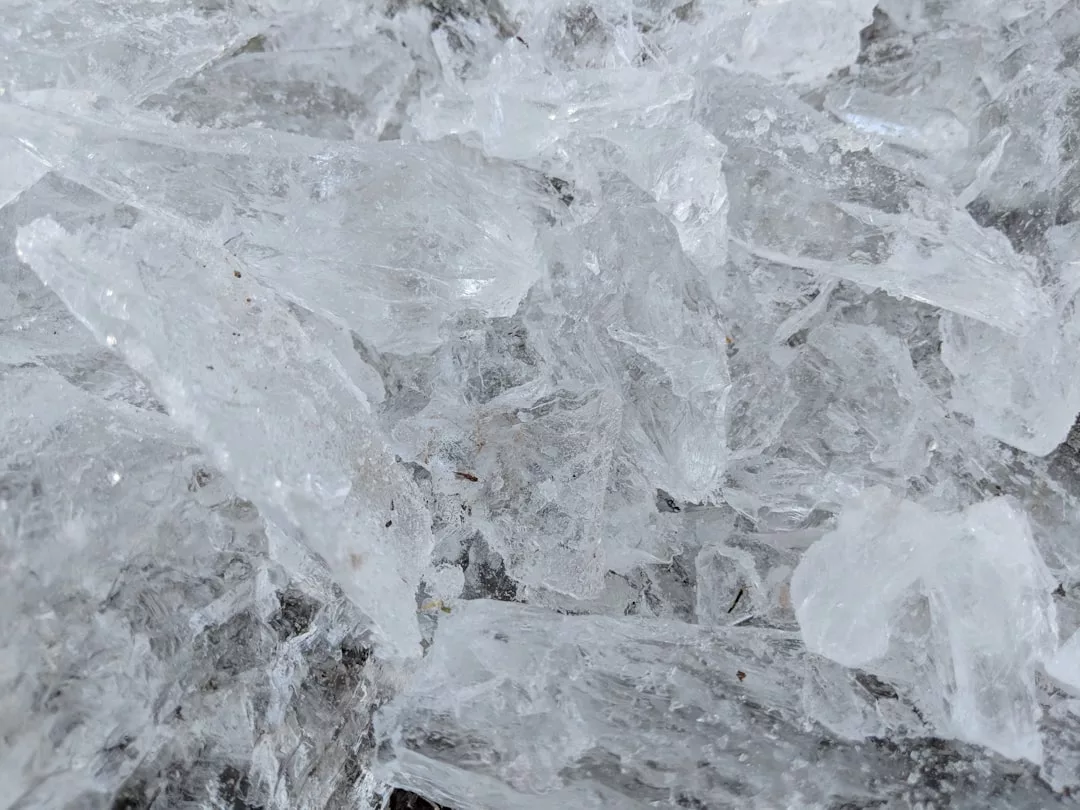
Cold therapy, also known as cryotherapy, has gained significant attention in recent years for its potential benefits in various aspects of health and wellness. This therapeutic approach involves the application of cold temperatures to the body, which can take many forms, from ice packs and cold compresses to more advanced techniques like whole-body cryotherapy chambers. The practice is rooted in ancient traditions, where cold water was used to treat injuries and ailments.
Today, it is embraced by athletes, physical therapists, and wellness enthusiasts alike for its ability to enhance recovery, reduce pain, and improve overall physical performance. The resurgence of interest in cold therapy can be attributed to a growing body of scientific research that supports its efficacy. As more individuals seek natural and non-invasive methods to manage pain and promote healing, cold therapy has emerged as a viable option.
Whether used for acute injuries or chronic conditions, the application of cold can trigger physiological responses that aid in recovery and improve quality of life. Understanding how cold therapy works and its various applications is essential for anyone looking to incorporate this technique into their health regimen.
Key Takeaways
- Cold therapy involves the application of cold temperatures to the body to provide various health benefits.
- Cold therapy can reduce inflammation, muscle soreness, and joint pain, and improve recovery after exercise or sports injuries.
- Cold therapy can be used to treat arthritis and other chronic conditions by reducing pain and swelling.
- Different methods of cold therapy include ice packs, cold water immersion, and cryotherapy chambers.
- While cold therapy can be effective, it is important to be aware of potential risks and precautions, such as avoiding prolonged exposure to extreme cold temperatures.
How Cold Therapy Affects the Body
When cold is applied to the body, it induces a series of physiological responses that can be beneficial for healing and recovery. One of the primary effects of cold therapy is vasoconstriction, which is the narrowing of blood vessels. This process reduces blood flow to the affected area, thereby minimizing swelling and inflammation.
The reduction in blood flow also helps to decrease metabolic activity in the tissues, which can alleviate pain and prevent further injury. As the cold is applied, nerve endings become less sensitive, leading to a temporary numbing effect that can provide immediate relief from pain. In addition to vasoconstriction, cold therapy can stimulate the release of endorphins, the body’s natural painkillers. Moreover, when the cold stimulus is removed, a rebound effect occurs where blood vessels dilate, leading to increased blood flow.
The combination of these physiological responses makes cold therapy a powerful tool for managing pain and facilitating recovery from various conditions.
Cold Therapy for Muscle Recovery
Athletes and fitness enthusiasts often turn to cold therapy as a means to expedite muscle recovery after intense workouts or competitions. The application of cold can help alleviate delayed onset muscle soreness (DOMS), a common experience following strenuous exercise. By reducing inflammation and swelling in the muscles, cold therapy can help restore function more quickly, allowing individuals to return to their training regimens sooner.
Many athletes utilize ice baths or cold packs on specific muscle groups after workouts to harness these benefits. Research has shown that cold therapy can effectively reduce muscle soreness and improve recovery times. For instance, a study published in the Journal of Sports Sciences found that athletes who engaged in cold water immersion after exercise reported lower levels of muscle soreness compared to those who did not use cold therapy.
Additionally, the cooling effect can help maintain optimal muscle temperature during training sessions, potentially enhancing performance by preventing overheating. As such, incorporating cold therapy into a post-exercise routine can be an effective strategy for athletes looking to optimize their recovery.
Cold Therapy for Joint Pain
Joint pain is a common complaint that affects individuals of all ages, often resulting from conditions such as arthritis, injuries, or overuse. Cold therapy has been shown to be an effective method for managing joint pain by reducing inflammation and numbing the area around the joint. The application of cold packs or ice wraps can provide immediate relief by decreasing swelling and alleviating discomfort associated with conditions like osteoarthritis or rheumatoid arthritis.
In clinical settings, physical therapists frequently recommend cold therapy as part of a comprehensive treatment plan for patients experiencing joint pain. For example, applying ice to a swollen knee joint after an injury can help control inflammation and provide pain relief before initiating rehabilitation exercises. Furthermore, studies have indicated that regular use of cold therapy can lead to improved joint function over time.
By incorporating cold therapy into their daily routines, individuals suffering from chronic joint pain may experience significant improvements in their quality of life.
Cold Therapy for Inflammation
Inflammation is a natural response of the body to injury or infection; however, chronic inflammation can lead to various health issues, including autoimmune diseases and chronic pain syndromes. Cold therapy serves as an effective intervention for managing inflammation by slowing down cellular metabolism and reducing blood flow to inflamed areas. This reduction in blood flow helps limit the accumulation of inflammatory substances in the affected tissues.
Research has demonstrated that cold therapy can significantly decrease markers of inflammation in various conditions. For instance, a study published in the Journal of Athletic Training found that ice application after exercise reduced levels of inflammatory cytokines in participants’ blood samples. By mitigating inflammation through cold therapy, individuals may experience not only reduced pain but also improved mobility and function in affected areas.
This makes cold therapy an essential tool for those dealing with chronic inflammatory conditions.
Cold Therapy for Sports Injuries
Sports injuries are an unfortunate reality for many athletes, ranging from sprains and strains to more severe injuries like fractures or ligament tears. Cold therapy is often one of the first lines of defense when managing acute sports injuries due to its ability to reduce swelling and numb pain quickly. The R.
For example, if an athlete sustains an ankle sprain during a game, immediate application of ice can help control swelling and provide pain relief while waiting for further evaluation or treatment. In many cases, early intervention with cold therapy can prevent further damage and facilitate a quicker return to play. Additionally, ongoing use of cold therapy during rehabilitation can help manage residual pain and inflammation as athletes work through their recovery process.
Cold Therapy for Post-Workout Recovery
Post-workout recovery is crucial for athletes and fitness enthusiasts aiming to maintain peak performance levels while minimizing injury risk. Cold therapy plays a significant role in this recovery phase by helping to alleviate muscle soreness and fatigue after intense physical activity. Many athletes have adopted practices such as ice baths or localized cryotherapy sessions as part of their post-exercise routines.
The benefits of post-workout cold therapy extend beyond just muscle recovery; it also aids in mental recovery by providing a refreshing experience that can enhance mood and motivation. For instance, athletes who regularly engage in ice baths report feeling rejuvenated after their sessions, which can positively impact their training mindset. Furthermore, incorporating cold therapy into post-workout routines may lead to improved overall performance by allowing athletes to train harder and recover faster.
Cold Therapy for Arthritis
Arthritis is a debilitating condition characterized by joint inflammation and pain that affects millions worldwide. Cold therapy has emerged as a valuable adjunct treatment for individuals suffering from arthritis symptoms. The application of cold packs or ice wraps can provide immediate relief from acute flare-ups by numbing the affected area and reducing swelling.
In addition to acute management, regular use of cold therapy may help individuals with arthritis manage their symptoms more effectively over time. For example, patients who incorporate cold therapy into their daily routines often report decreased stiffness and improved joint mobility. Physical therapists frequently recommend alternating between heat and cold treatments for arthritis patients; while heat can help relax muscles and improve circulation, cold therapy effectively addresses inflammation and pain.
Different Methods of Cold Therapy
Cold therapy encompasses a variety of methods that cater to different needs and preferences. Traditional methods include ice packs or gel packs that can be applied directly to the skin over the affected area. These are often used for localized treatment of injuries or soreness.
Ice baths are another popular method among athletes; immersing the body in ice-cold water helps cool down muscles rapidly while providing systemic benefits. More advanced techniques include whole-body cryotherapy chambers that expose individuals to extremely low temperatures for short periods, typically around three minutes, while they stand inside a chamber wearing protective gear. This method has gained popularity among professional athletes seeking rapid recovery benefits without the discomfort associated with traditional ice baths.
Additionally, localized cryotherapy devices are available that deliver targeted cooling through specialized applicators designed for specific body parts.
Precautions and Risks of Cold Therapy
While cold therapy offers numerous benefits, it is essential to approach its use with caution to avoid potential risks or complications. One primary concern is frostbite; prolonged exposure to extreme cold can damage skin tissue if not monitored carefully. It is crucial to limit ice application to 15-20 minutes at a time and allow adequate time between sessions for the skin to return to normal temperature.
Individuals with certain medical conditions should also exercise caution when using cold therapy. For instance, those with circulatory issues or neuropathy may experience adverse effects from cold exposure due to impaired blood flow or sensation in affected areas. Consulting with a healthcare professional before starting any new treatment regimen is advisable, especially for individuals with pre-existing health concerns.
Incorporating Cold Therapy into Your Recovery Routine
Incorporating cold therapy into your recovery routine can be an effective strategy for managing pain, reducing inflammation, and enhancing overall physical performance. Whether you are an athlete looking to optimize your training regimen or someone dealing with chronic pain conditions like arthritis, understanding how cold therapy works and its various applications can empower you to make informed decisions about your health care practices. By utilizing different methods of cold therapy safely and effectively while being mindful of precautions, you can harness its benefits as part of a comprehensive approach to recovery and wellness.
More in
More from Longevity
Longevity · 8 min
Unlocking Cognitive Function: The Key to Mental Sharpness
Cognitive function encompasses a range of mental processes that are essential for acquiring knowledge and understanding through thought, experience, a…

Longevity · 9 min
Exploring Blue Zone Diets for Longevity
Blue Zones are regions of the world where people have been observed to live significantly longer and healthier lives than the global average. The term…

Longevity · 8 min
5 Tips for Better Cardiovascular Health
Cardiovascular health refers to the well-being of the heart and blood vessels, which are crucial for maintaining overall health and vitality. The card…