Longevity · Longevity
The Science of Aging: Understanding the Process and How to Thrive
Aging is an inevitable biological process that affects all living organisms, characterized by a gradual decline in physiological function and an increased vulnerability to diseases…

Aging is an inevitable biological process that affects all living organisms, characterized by a gradual decline in physiological function and an increased vulnerability to diseases. As life expectancy continues to rise globally, understanding the complexities of aging has become increasingly important.
The quest for longevity and the desire to maintain quality of life as we age have spurred extensive research into the mechanisms of aging, leading to insights that can help individuals navigate this natural progression more effectively. The perception of aging has evolved significantly over the years.
This shift in mindset is crucial, as it encourages individuals to adopt proactive approaches to health and well-being. By recognizing that aging is not merely a decline but a phase filled with opportunities for personal development and fulfillment, society can foster environments that support healthy aging and enhance the quality of life for older adults.
Key Takeaways
- Aging is a natural process that affects all living organisms, including humans.
- At a cellular level, aging is influenced by factors such as genetics, lifestyle, and environmental factors.
- Hormones play a significant role in the aging process, and managing them can help promote healthy aging.
- Inflammation has a major impact on aging, and reducing it through lifestyle and dietary changes can support healthy aging.
- Nutrition, exercise, stress management, and mental health all play crucial roles in healthy aging and should be prioritized for overall well-being.
The Biology of Aging: Understanding the Process at a Cellular Level
At the core of aging lies a complex interplay of biological processes that occur at the cellular level. One of the most significant theories of aging is the “telomere shortening” hypothesis. Telomeres are protective caps located at the ends of chromosomes, which shorten with each cell division.
Over time, as telomeres become critically short, cells enter a state known as senescence, where they can no longer divide. This process contributes to the aging of tissues and organs, leading to a decline in function and an increased risk of age-related diseases. Another critical aspect of cellular aging is oxidative stress, which arises from an imbalance between free radicals and antioxidants in the body.
Free radicals are unstable molecules that can damage cellular components, including DNA, proteins, and lipids. As we age, our bodies become less efficient at neutralizing these harmful molecules, resulting in cumulative damage that accelerates the aging process. Research has shown that enhancing antioxidant defenses through dietary sources or supplements may mitigate some effects of oxidative stress, potentially promoting healthier aging.
Factors Influencing Aging: Genetics, Lifestyle, and Environmental Factors
Aging is influenced by a myriad of factors, with genetics playing a foundational role. Genetic predispositions can determine how quickly an individual ages and their susceptibility to age-related diseases. For instance, certain gene variants have been linked to longevity, while others may increase the risk of conditions such as Alzheimer’s disease or cardiovascular disorders.
However, genetics is only part of the equation; lifestyle choices and environmental factors significantly impact the aging process. Lifestyle factors such as diet, physical activity, and smoking habits can either accelerate or decelerate aging. A diet rich in fruits, vegetables, whole grains, and healthy fats has been associated with reduced inflammation and improved health outcomes in older adults.
Conversely, a sedentary lifestyle can lead to muscle atrophy and increased frailty. Environmental factors, including exposure to pollutants and socioeconomic status, also play crucial roles in determining health outcomes as individuals age. For example, individuals living in areas with high air pollution may experience accelerated cognitive decline compared to those in cleaner environments.
The Role of Hormones in Aging and How to Manage Them
Hormones are vital regulators of numerous physiological processes in the body, and their levels fluctuate significantly with age. For instance, levels of sex hormones such as estrogen and testosterone decline during middle age, leading to various changes in body composition, mood, and sexual function. In women, menopause marks a significant hormonal shift that can result in symptoms such as hot flashes and increased risk of osteoporosis.
In men, declining testosterone levels can lead to decreased muscle mass and energy levels. Managing hormonal changes is essential for promoting healthy aging. Hormone replacement therapy (HRT) has been used to alleviate symptoms associated with menopause in women; however, it is not without risks and should be approached cautiously.
Lifestyle interventions such as regular exercise can help maintain hormonal balance naturally. Resistance training has been shown to boost testosterone levels in men and improve overall muscle mass in both genders. Additionally, maintaining a healthy weight through diet can positively influence hormone levels and mitigate some effects of aging.
The Impact of Inflammation on Aging and How to Reduce it
Chronic inflammation has emerged as a significant contributor to the aging process and age-related diseases. This low-grade inflammation can stem from various sources, including obesity, poor diet, and sedentary behavior. As individuals age, their immune systems may become dysregulated, leading to persistent inflammation that damages tissues and organs over time.
Conditions such as arthritis, cardiovascular disease, and neurodegenerative disorders have all been linked to chronic inflammation. To combat inflammation and promote healthy aging, adopting an anti-inflammatory lifestyle is crucial. Diet plays a pivotal role; incorporating foods rich in omega-3 fatty acids, such as fatty fish, walnuts, and flaxseeds, can help reduce inflammatory markers in the body.
Additionally, regular physical activity has been shown to lower inflammation levels while improving overall health. Mindfulness practices such as yoga and meditation can also contribute to reducing stress-related inflammation by promoting relaxation and emotional well-being.
The Science of Cognitive Aging: Understanding Memory and Brain Health
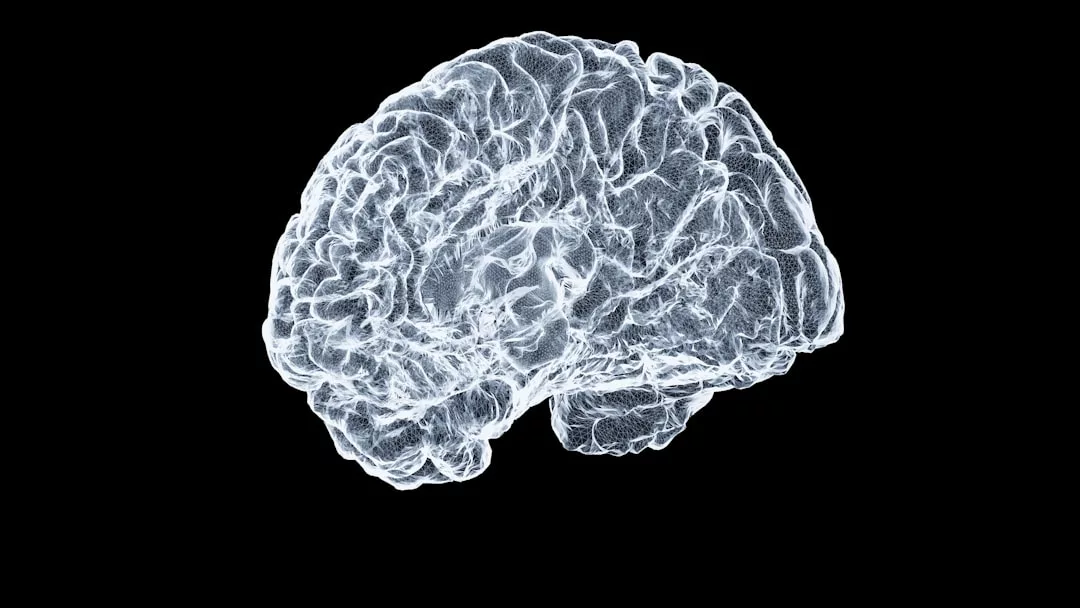
Cognitive aging refers to the gradual decline in cognitive functions such as memory, attention, and problem-solving abilities that often accompanies advancing age. While some cognitive decline is considered a normal part of aging, significant impairments may indicate neurodegenerative diseases like Alzheimer’s or other forms of dementia. Understanding the underlying mechanisms of cognitive aging is essential for developing strategies to maintain brain health throughout life.
Research has identified several factors that influence cognitive aging. Neuroplasticity, the brain’s ability to reorganize itself by forming new neural connections, plays a crucial role in maintaining cognitive function as we age. Engaging in mentally stimulating activities such as puzzles, reading, or learning new skills can enhance neuroplasticity and promote cognitive resilience.
Furthermore, social engagement has been linked to better cognitive outcomes; maintaining strong social connections can provide emotional support and stimulate mental activity.
The Importance of Nutrition and Exercise in Healthy Aging
Nutrition and exercise are cornerstones of healthy aging that significantly impact physical health and overall well-being. A balanced diet rich in essential nutrients supports bodily functions and helps prevent chronic diseases associated with aging. Key nutrients include antioxidants like vitamins C and E, which combat oxidative stress; calcium and vitamin D for bone health; and protein for muscle maintenance.
Physical activity is equally vital for promoting healthy aging. Regular exercise helps maintain muscle mass, improve cardiovascular health, enhance flexibility, and boost mental well-being. The World Health Organization recommends at least 150 minutes of moderate-intensity aerobic activity per week for older adults.
Incorporating strength training exercises into weekly routines can further enhance muscle strength and functional ability. Activities such as walking, swimming, or dancing not only provide physical benefits but also foster social connections when done in groups.
The Role of Stress and Mental Health in the Aging Process
Stress is an omnipresent aspect of modern life that can have profound effects on health as individuals age. Chronic stress activates the body’s fight-or-flight response, leading to elevated levels of cortisol, a hormone associated with various negative health outcomes when persistently high. Prolonged exposure to stress can contribute to cognitive decline, cardiovascular issues, and weakened immune function.
Addressing mental health is crucial for promoting healthy aging. Mindfulness practices such as meditation have gained popularity for their ability to reduce stress levels and improve emotional well-being. Engaging in hobbies or activities that bring joy can also serve as effective stress relievers.
Furthermore, seeking social support from friends or family members can provide emotional comfort during challenging times. Mental health interventions should be integrated into holistic approaches to aging that prioritize both physical and emotional well-being.
The Science of Skin Aging: Understanding Wrinkles, Sun Damage, and Collagen
Skin aging is one of the most visible aspects of the aging process, characterized by wrinkles, sagging skin, and changes in texture. These changes result from intrinsic factors, such as genetics, and extrinsic factors like sun exposure and pollution. Collagen production decreases with age; collagen is a protein that provides structure and elasticity to the skin.
As collagen levels decline, skin becomes thinner and less resilient. Sun damage is another significant contributor to skin aging; ultraviolet (UV) radiation accelerates collagen breakdown while promoting the formation of free radicals that damage skin cells. To mitigate these effects, sun protection is paramount; using broad-spectrum sunscreen daily can help prevent premature aging caused by UV exposure.
Additionally, incorporating skincare products containing retinoids or hyaluronic acid can promote collagen synthesis and improve skin hydration.
Longevity and Aging: The Latest Research on Extending Lifespan
The pursuit of longevity has captivated researchers for decades, leading to groundbreaking studies aimed at understanding how to extend lifespan while maintaining healthspan, the period during which individuals remain healthy and free from chronic diseases. Recent research has identified several key pathways involved in aging processes; caloric restriction has emerged as one promising intervention shown to extend lifespan in various organisms by reducing metabolic rates and enhancing cellular repair mechanisms. Another area of interest is the role of senolytics, compounds that selectively eliminate senescent cells from the body, which have shown potential in improving health outcomes in animal models by reducing inflammation and promoting tissue regeneration.
Additionally, advancements in genetic research have unveiled potential interventions targeting specific genes associated with longevity; gene editing technologies like CRISPR hold promise for future applications aimed at extending healthy lifespan.
Practical Tips for Thriving as You Age: Implementing Scientifically-Backed Strategies
To thrive during the aging process requires a proactive approach grounded in scientific evidence. First and foremost is adopting a balanced diet rich in whole foods while minimizing processed foods high in sugar and unhealthy fats. Regular physical activity should be prioritized; finding enjoyable forms of exercise can enhance adherence over time.
Incorporating mindfulness practices into daily routines can significantly improve mental well-being while reducing stress levels associated with aging challenges. Staying socially connected through community involvement or maintaining friendships fosters emotional support essential for navigating life’s transitions. Lastly, regular health check-ups are vital for early detection of potential issues; preventive care allows individuals to address concerns before they escalate into more significant problems.
By implementing these strategies based on scientific research into aging processes, individuals can enhance their quality of life while embracing the journey through their later years with vitality and purpose.
More in
More from Longevity
Longevity · 8 min
Unlocking Cognitive Function: The Key to Mental Sharpness
Cognitive function encompasses a range of mental processes that are essential for acquiring knowledge and understanding through thought, experience, a…

Longevity · 9 min
Exploring Blue Zone Diets for Longevity
Blue Zones are regions of the world where people have been observed to live significantly longer and healthier lives than the global average. The term…

Longevity · 8 min
5 Tips for Better Cardiovascular Health
Cardiovascular health refers to the well-being of the heart and blood vessels, which are crucial for maintaining overall health and vitality. The card…