Longevity · Longevity
The Secret to Longevity: Insights from Centenarians
Centenarians, individuals who have reached the remarkable age of 100 years or more, represent a unique demographic that has garnered increasing attention from researchers, healthca…
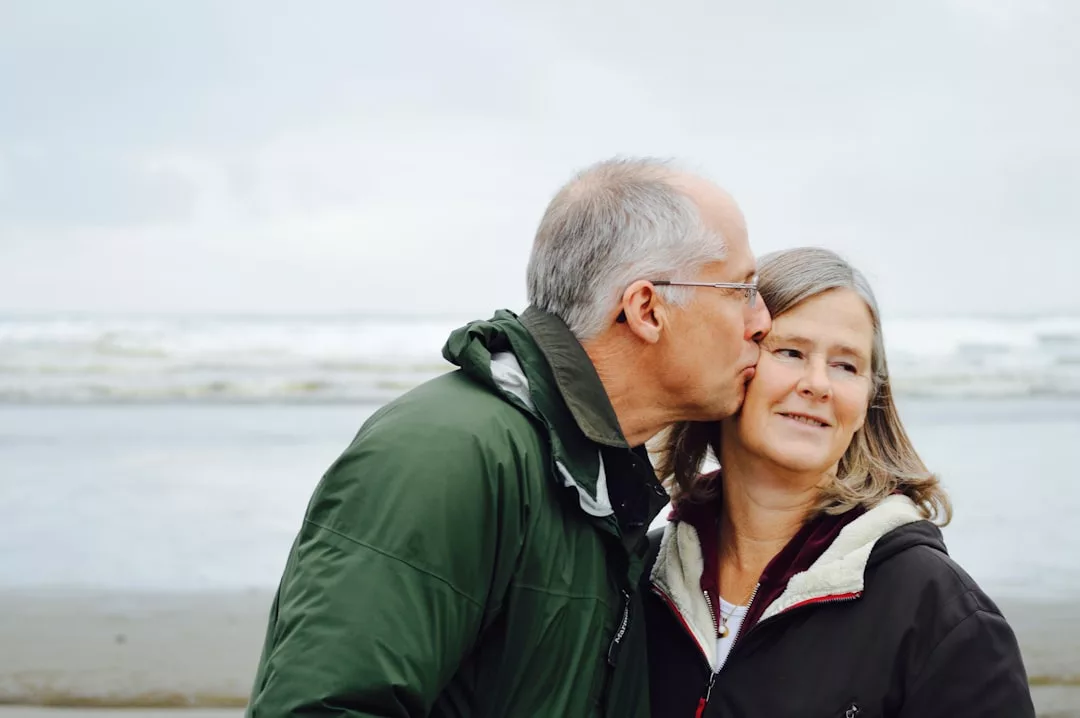
Centenarians, individuals who have reached the remarkable age of 100 years or more, represent a unique demographic that has garnered increasing attention from researchers, healthcare professionals, and society at large. As life expectancy continues to rise globally, the number of centenarians is also on the rise, leading to a growing interest in understanding the factors that contribute to such extraordinary longevity. These individuals often embody a wealth of experiences, wisdom, and resilience that can provide valuable insights into the aging process.
The study of centenarians not only sheds light on the biological and environmental influences on longevity but also highlights the importance of lifestyle choices, social connections, and mental well-being. The phenomenon of centenarians is not merely a statistical curiosity; it serves as a lens through which we can examine the interplay of genetics, lifestyle, and social factors in promoting a long and fulfilling life. Countries such as Japan, Italy, and the United States have seen significant populations of centenarians, each with their own unique cultural practices and health behaviors that may contribute to their longevity.
By exploring the lives of these remarkable individuals, we can glean lessons that may help enhance the quality of life for people of all ages and inspire future generations to adopt healthier habits.
Key Takeaways
- Centenarians are individuals who have reached the age of 100 or older, and studying their lifestyle and habits can provide valuable insights into longevity.
- Genetics play a significant role in determining longevity, with certain genetic factors contributing to a longer lifespan.
- Making healthy lifestyle choices, such as maintaining a balanced diet and staying physically active, can greatly impact longevity and overall well-being.
- Social connections and strong emotional support systems are crucial for promoting longevity and mental well-being in centenarians.
- Resilience, adaptability, and the ability to cope with loss and grief are important factors that contribute to the longevity of centenarians.
Genetics and Longevity
Genetic Profile of Centenarians
Centenarians often exhibit a unique genetic profile characterized by lower rates of age-related diseases, such as cardiovascular conditions and certain cancers. This distinct genetic makeup provides a foundation for understanding their exceptional longevity.The Interaction Between Genetics and Environment
However, while genetics provides a foundational framework for understanding longevity, it is essential to recognize that it is not the sole determinant. The interaction between genetic predispositions and environmental factors is complex and multifaceted. Even individuals with favorable genetic markers may not achieve their full longevity potential if they engage in unhealthy lifestyle choices or are exposed to adverse environmental conditions.A Holistic Approach to Studying Longevity
This interplay underscores the importance of considering both genetic and non-genetic factors when studying the longevity of centenarians. A comprehensive understanding of the relationship between genetics, environment, and lifestyle is crucial for uncovering the secrets of exceptional longevity.Lifestyle Choices and Longevity
Lifestyle choices are pivotal in shaping health outcomes and longevity. Centenarians often share common lifestyle habits that contribute to their extended lifespans. For example, many centenarians maintain a balanced diet rich in whole foods, including fruits, vegetables, whole grains, and lean proteins.
The Mediterranean diet, characterized by its emphasis on plant-based foods and healthy fats like olive oil, has been associated with lower mortality rates and improved health outcomes among older adults. In regions with high concentrations of centenarians, such as Sardinia in Italy or Okinawa in Japan, traditional diets are often low in processed foods and high in nutrient-dense options. In addition to dietary choices, physical activity plays a significant role in promoting longevity.
Many centenarians remain active well into their later years, engaging in regular exercise or physical activities that they enjoy. This could include walking, gardening, or participating in community events. Regular physical activity not only helps maintain physical health but also supports cognitive function and emotional well-being.
The combination of a nutritious diet and consistent physical activity creates a synergistic effect that enhances overall health and longevity.
Social Connections and Longevity
The importance of social connections cannot be overstated when examining the lives of centenarians. Research consistently shows that strong social ties are associated with better health outcomes and increased longevity. Centenarians often have robust support networks comprising family members, friends, and community members who provide emotional support and companionship.
These social connections can help mitigate feelings of loneliness and isolation, which are common risk factors for various health issues in older adults. Moreover, social engagement fosters a sense of purpose and belonging, both of which are critical for mental health as individuals age. Many centenarians actively participate in community activities or volunteer work, which not only strengthens their social ties but also contributes to their sense of purpose.
Engaging with others can stimulate cognitive function and promote emotional resilience, further enhancing their overall quality of life. The interplay between social connections and longevity highlights the need for fostering supportive communities that encourage interaction among individuals of all ages.
Mental and Emotional Well-being in Centenarians
Mental and emotional well-being is a cornerstone of longevity among centenarians. Many individuals who reach this milestone exhibit a positive outlook on life, characterized by resilience in the face of adversity. This optimistic perspective can significantly influence their overall health and longevity.
Studies have shown that individuals with a positive attitude tend to experience lower levels of stress and anxiety, which can have protective effects on physical health. Additionally, coping strategies play a vital role in maintaining mental well-being among centenarians. Many have developed effective coping mechanisms over their long lives, allowing them to navigate challenges such as loss or illness with grace.
Mindfulness practices, such as meditation or yoga, are increasingly recognized for their benefits in promoting emotional resilience and reducing stress levels. By prioritizing mental health alongside physical health, centenarians exemplify the holistic approach necessary for achieving longevity.
Diet and Nutrition in Centenarians
Dietary habits among centenarians reveal fascinating insights into the relationship between nutrition and longevity. A common thread among many centenarians is their preference for whole, minimally processed foods that provide essential nutrients without excessive calories. For instance, the traditional Okinawan diet is rich in sweet potatoes, green leafy vegetables, tofu, and fish while being low in meat and dairy products.
This diet is not only nutrient-dense but also low in calories, which has been linked to increased lifespan. Moreover, portion control is another critical aspect of dietary habits among centenarians. Many adhere to the principle of “hara hachi bu,” a Japanese saying that encourages individuals to eat until they are 80% full.
This practice helps prevent overeating and promotes healthy weight management over time. Additionally, hydration plays an essential role; many centenarians prioritize drinking water throughout the day while limiting sugary beverages or excessive alcohol consumption. These dietary practices collectively contribute to better health outcomes and enhanced longevity.
Physical Activity and Longevity
Physical activity is a cornerstone of healthy aging and longevity among centenarians. Regular movement not only helps maintain physical fitness but also supports cardiovascular health, muscle strength, flexibility, and balance, all critical components for preventing falls and injuries in older adults. Many centenarians engage in daily activities that keep them active without necessarily adhering to structured exercise regimens.
For example, gardening or walking around their neighborhoods can provide both physical benefits and opportunities for social interaction. Research has shown that even moderate levels of physical activity can significantly impact longevity. A study published in the Journal of Aging Research found that older adults who engaged in regular physical activity had a lower risk of mortality compared to sedentary individuals.
Furthermore, activities that promote strength training or flexibility, such as yoga or tai chi, are particularly beneficial for older adults as they help maintain functional independence. The emphasis on staying active throughout life is a common theme among centenarians who demonstrate that movement is integral to living a long and healthy life.
Coping with Loss and Grief in Centenarians
Coping with loss is an inevitable part of life, especially for centenarians who have experienced significant changes over their long lifetimes. Many centenarians have faced the loss of loved ones, spouses, friends, or family members, and how they navigate these experiences can profoundly impact their emotional well-being. Resilience is often evident in how they approach grief; rather than succumbing to despair, many find ways to honor their loved ones’ memories while continuing to engage with life.
Support systems play a crucial role in helping centenarians cope with loss. Whether through family gatherings or community support groups, having a network of people who understand their experiences can provide comfort during difficult times. Additionally, some centenarians find solace in creative outlets such as writing or art as a means of expressing their emotions related to loss.
These coping strategies not only facilitate healing but also reinforce the importance of maintaining connections with others during challenging times.
Medical Care and Longevity
Access to quality medical care is another critical factor influencing longevity among centenarians. Regular check-ups and preventive care can help identify potential health issues early on, allowing for timely interventions that can significantly improve health outcomes. Many centenarians benefit from comprehensive healthcare services that address both physical ailments and mental health needs.
Moreover, the role of technology in healthcare cannot be overlooked; telemedicine has become increasingly popular among older adults seeking convenient access to medical professionals without the need for travel. This innovation has proven particularly beneficial for those with mobility challenges or those living in remote areas where healthcare resources may be limited.
Resilience and Adaptability in Centenarians
Resilience is a defining characteristic of many centenarians who have navigated life’s challenges with grace and determination. The ability to adapt to changing circumstances, whether due to health issues or shifts in social dynamics, plays a significant role in their overall well-being. Centenarians often possess a remarkable capacity for finding meaning in adversity; they may view challenges as opportunities for growth rather than insurmountable obstacles. Many centenarians have witnessed significant historical events, wars, economic downturns, technological advancements, and have learned to adjust their perspectives accordingly. Their stories often reflect an enduring spirit that embraces change while maintaining hope for the future.
This resilience serves as an inspiration for younger generations navigating their own challenges.
Lessons from Centenarians
The lives of centenarians offer profound lessons about aging gracefully and living well into advanced years. Their experiences highlight the intricate interplay between genetics, lifestyle choices, social connections, mental well-being, diet, physical activity, coping mechanisms, medical care, resilience, and adaptability, all contributing factors to achieving longevity. By studying these remarkable individuals, we gain valuable insights into how we might enhance our own lives through healthier habits and stronger relationships.
As society continues to grapple with an aging population, understanding the factors that contribute to longevity becomes increasingly important. The wisdom gleaned from centenarians can inform public health initiatives aimed at promoting healthy aging while encouraging individuals to adopt practices that foster well-being throughout their lives. Ultimately, the stories of centenarians remind us that while genetics may set the stage for our lifespan, it is our choices, both big and small, that truly shape our journey toward a fulfilling life.
More in
More from Longevity
Longevity · 8 min
Unlocking Cognitive Function: The Key to Mental Sharpness
Cognitive function encompasses a range of mental processes that are essential for acquiring knowledge and understanding through thought, experience, a…

Longevity · 9 min
Exploring Blue Zone Diets for Longevity
Blue Zones are regions of the world where people have been observed to live significantly longer and healthier lives than the global average. The term…

Longevity · 8 min
5 Tips for Better Cardiovascular Health
Cardiovascular health refers to the well-being of the heart and blood vessels, which are crucial for maintaining overall health and vitality. The card…