Longevity · Longevity
Understanding Life Expectancy: What Factors Influence Longevity?
Life expectancy is a critical demographic measure that reflects the average number of years a person can expect to live, based on statistical averages derived from various factors.…
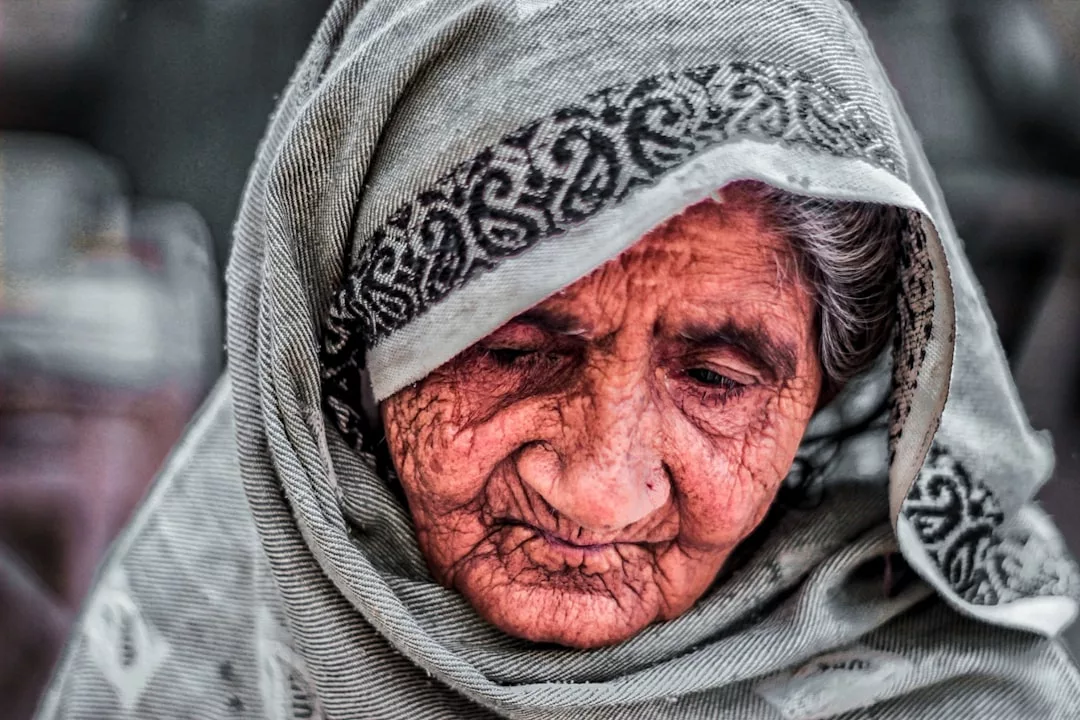
Life expectancy is a critical demographic measure that reflects the average number of years a person can expect to live, based on statistical averages derived from various factors. It serves as an essential indicator of the overall health and well-being of populations, providing insights into the effectiveness of healthcare systems, lifestyle choices, and social conditions. The concept of life expectancy is not static; it evolves over time due to advancements in medicine, changes in societal norms, and shifts in environmental conditions.
Understanding life expectancy is crucial for policymakers, healthcare providers, and individuals alike, as it influences planning for healthcare resources, retirement, and social services. The calculation of life expectancy typically involves analyzing mortality rates across different age groups within a population. This analysis can reveal significant disparities based on geography, gender, ethnicity, and socioeconomic status.
For instance, life expectancy has been observed to vary dramatically between developed and developing nations, often reflecting the availability of healthcare services, nutrition, and education. In recent years, the global average life expectancy has increased due to improvements in medical technology and public health initiatives, yet challenges remain in addressing inequalities that persist across different demographics.
Key Takeaways
- Life expectancy is the average number of years a person is expected to live based on current age, gender, and other demographic factors.
- Genetics play a significant role in determining life expectancy, with certain genetic factors influencing susceptibility to certain diseases and conditions.
- Lifestyle choices such as smoking, diet, and physical activity can have a significant impact on longevity and life expectancy.
- Environmental factors such as pollution, access to clean water, and exposure to natural disasters can affect life expectancy.
- Access to healthcare, socioeconomic status, and mental health also play crucial roles in determining life expectancy.
Genetics and Life Expectancy
Genetics plays a pivotal role in determining an individual’s life expectancy. Research has shown that hereditary factors can influence susceptibility to various diseases, metabolic rates, and even the aging process itself. For example, certain genetic markers have been linked to longevity, with studies identifying specific genes associated with increased lifespan.
The FOXO3 gene is one such example; individuals carrying certain variants of this gene have been found to have a higher likelihood of living into their 90s or beyond. This genetic predisposition can affect how the body responds to stressors and repairs cellular damage, ultimately influencing longevity. However, genetics is only one piece of the puzzle.
While inherited traits can set the stage for potential longevity, they interact with environmental factors and lifestyle choices in complex ways. For instance, a person may possess genetic advantages for longevity but may still succumb to lifestyle-related diseases if they engage in unhealthy behaviors such as smoking or poor dietary choices. Thus, while genetics provides a foundation for understanding life expectancy, it is essential to consider how these biological factors interplay with external influences.
Lifestyle Choices and Their Impact on Longevity
Lifestyle choices are among the most significant determinants of life expectancy. Habits such as smoking, alcohol consumption, diet, and physical activity levels can dramatically influence an individual’s health outcomes. For instance, smoking is one of the leading causes of preventable death worldwide, contributing to various diseases such as lung cancer, heart disease, and respiratory illnesses.
Studies have shown that individuals who quit smoking can significantly increase their life expectancy compared to those who continue the habit. Diet also plays a crucial role in determining longevity. A balanced diet rich in fruits, vegetables, whole grains, and lean proteins has been associated with lower risks of chronic diseases such as obesity, diabetes, and cardiovascular conditions.
The Mediterranean diet, characterized by high consumption of plant-based foods and healthy fats like olive oil, has been linked to increased life expectancy in various populations. Conversely, diets high in processed foods and sugars can lead to obesity and related health issues that shorten lifespan. Therefore, making informed lifestyle choices can have profound implications for an individual’s longevity.
Environmental Factors and Life Expectancy
Environmental factors encompass a wide range of elements that can influence life expectancy, including air quality, access to clean water, and exposure to toxins. Urban areas often face challenges related to pollution and overcrowding, which can adversely affect residents’ health. For example, studies have shown that individuals living in areas with high levels of air pollution are at greater risk for respiratory diseases and cardiovascular problems.
This correlation highlights the importance of environmental health in determining overall life expectancy. Additionally, access to green spaces has been linked to improved mental and physical health outcomes. Research indicates that individuals who live near parks or natural environments tend to engage in more physical activity and experience lower levels of stress.
These factors contribute positively to overall well-being and longevity. Conversely, communities lacking access to clean water or safe living conditions may experience higher mortality rates due to preventable diseases. Thus, addressing environmental issues is crucial for enhancing life expectancy across populations.
Access to Healthcare and Life Expectancy
Access to healthcare is a fundamental determinant of life expectancy. Populations with robust healthcare systems tend to enjoy longer lifespans due to early detection and treatment of diseases, preventive care services, and health education initiatives. Countries with universal healthcare systems often report higher life expectancies compared to those where access is limited or dependent on socioeconomic status.
For instance, nations like Japan and Sweden have implemented comprehensive healthcare policies that prioritize preventive care and accessibility for all citizens. Moreover, disparities in healthcare access can lead to significant differences in life expectancy among various demographic groups within a country. Marginalized communities often face barriers such as lack of insurance coverage, transportation issues, or language barriers that hinder their ability to seek medical care. Therefore, improving access to quality healthcare services is essential for promoting longevity across diverse populations.
Socioeconomic Status and its Influence on Longevity
Socioeconomic status (SES) is a critical factor influencing life expectancy. Individuals with higher SES typically have better access to resources such as quality education, nutritious food, safe housing, and healthcare services. These advantages contribute to healthier lifestyles and lower rates of chronic diseases.
Conversely, those with lower SES often face numerous challenges that can negatively impact their health outcomes. For example, financial constraints may limit access to healthy food options or preventive healthcare services. Research has consistently shown that there is a strong correlation between income levels and life expectancy.
In the United States, for instance, studies indicate that individuals in the top income bracket can expect to live significantly longer than those in the lowest income bracket. This disparity highlights the importance of addressing socioeconomic inequalities as part of efforts to improve public health outcomes. Policies aimed at reducing poverty and increasing access to education and healthcare can play a vital role in enhancing life expectancy for disadvantaged populations.
Mental Health and Life Expectancy
Mental health is an often-overlooked aspect of overall well-being that significantly impacts life expectancy. Conditions such as depression and anxiety can lead to detrimental effects on physical health if left untreated. Individuals struggling with mental health issues may engage in unhealthy coping mechanisms such as substance abuse or neglecting their physical health through poor diet and lack of exercise.
These behaviors can contribute to chronic illnesses that shorten lifespan. Furthermore, the stigma surrounding mental health can prevent individuals from seeking help or accessing necessary treatments. This lack of support can exacerbate existing conditions and lead to a cycle of declining health outcomes.
On the other hand, promoting mental well-being through community support systems and accessible mental health services can enhance overall quality of life and potentially increase longevity. Recognizing the interconnectedness of mental and physical health is essential for developing comprehensive strategies aimed at improving life expectancy.
Diet and Nutrition’s Role in Life Expectancy
Diet and nutrition are fundamental components influencing life expectancy through their direct impact on health outcomes. A well-balanced diet rich in essential nutrients supports bodily functions and helps prevent chronic diseases such as heart disease, diabetes, and certain cancers. Research has shown that diets high in fruits, vegetables, whole grains, lean proteins, and healthy fats are associated with lower mortality rates compared to those high in processed foods and sugars.
Specific dietary patterns have garnered attention for their potential longevity benefits. The Mediterranean diet is frequently cited for its positive effects on heart health and overall longevity due to its emphasis on plant-based foods and healthy fats like olive oil. Similarly, traditional diets in regions known for high life expectancies, such as Okinawa in Japan, are characterized by low-calorie intake combined with nutrient-dense foods like sweet potatoes and green leafy vegetables.
These dietary practices underscore the importance of nutrition in promoting long-term health and extending lifespan.
Exercise and Physical Activity’s Impact on Longevity
Regular physical activity is another critical factor influencing life expectancy. Engaging in consistent exercise has been linked to numerous health benefits that contribute to longer lifespans. Physical activity helps maintain a healthy weight, reduces the risk of chronic diseases such as heart disease and diabetes, improves mental health by reducing symptoms of anxiety and depression, and enhances overall quality of life.
Studies have demonstrated that even moderate levels of physical activity can yield significant benefits for longevity. For instance, research indicates that individuals who engage in at least 150 minutes of moderate-intensity exercise per week experience lower mortality rates compared to sedentary individuals. Activities such as walking, swimming, or cycling not only promote cardiovascular health but also foster social connections when performed in group settings, further enhancing their positive impact on longevity.
Social Connections and Their Effect on Life Expectancy
Social connections play a vital role in determining life expectancy by influencing both mental and physical health outcomes. Strong social ties provide emotional support during challenging times and contribute to feelings of belongingness and purpose, factors that are closely linked to improved mental well-being. Research has shown that individuals with robust social networks tend to experience lower levels of stress and anxiety while enjoying better overall health.
Conversely, social isolation has been associated with negative health outcomes that can shorten lifespan. Studies indicate that loneliness can be as detrimental to health as smoking or obesity; it increases the risk of chronic diseases while also impacting mental health negatively. Fostering social connections through community engagement or support groups can enhance resilience against stressors while promoting healthier lifestyles, ultimately contributing positively to longevity.
Cultural and Regional Variations in Life Expectancy
Cultural practices and regional differences significantly influence life expectancy across the globe. Various cultures prioritize different aspects of health, such as diet, exercise routines, family structures, or community involvement, which can lead to varying outcomes regarding longevity. For example, regions known as “Blue Zones,” where people live significantly longer than average, such as Sardinia in Italy or Ikaria in Greece, exhibit unique cultural practices that promote healthy living.
In these areas, traditional diets rich in whole foods are complemented by active lifestyles that include regular physical activity integrated into daily routines rather than structured exercise regimens alone. Additionally, strong family ties and community support systems are prevalent in these cultures; they foster social connections that contribute positively to mental well-being, a crucial factor influencing longevity. Understanding these cultural nuances provides valuable insights into how lifestyle choices shaped by cultural contexts can impact life expectancy across different populations.
More in
More from Longevity

Longevity · 8 min
Unlocking Cognitive Function: The Key to Mental Sharpness
Cognitive function encompasses a range of mental processes that are essential for acquiring knowledge and understanding through thought, experience, a…

Longevity · 9 min
Exploring Blue Zone Diets for Longevity
Blue Zones are regions of the world where people have been observed to live significantly longer and healthier lives than the global average. The term…

Longevity · 8 min
5 Tips for Better Cardiovascular Health
Cardiovascular health refers to the well-being of the heart and blood vessels, which are crucial for maintaining overall health and vitality. The card…