Longevity · Longevity
Unlocking the Benefits of the Mediterranean Diet
The Mediterranean Diet is more than just a dietary regimen; it is a lifestyle that reflects the culinary traditions and cultural practices of countries bordering the Mediterranean …
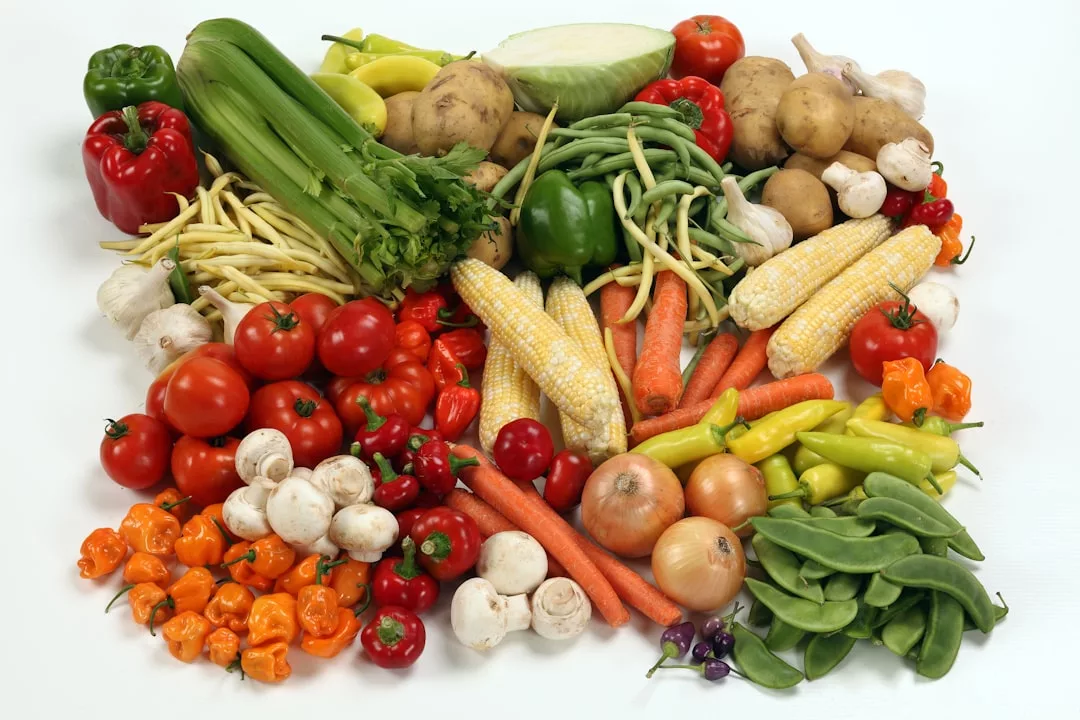
The Mediterranean Diet is more than just a dietary regimen; it is a lifestyle that reflects the culinary traditions and cultural practices of countries bordering the Mediterranean Sea, including Greece, Italy, Spain, and southern France. This diet emphasizes the consumption of whole, minimally processed foods, with a strong focus on plant-based ingredients. It is characterized by a high intake of fruits, vegetables, legumes, nuts, seeds, whole grains, and healthy fats, particularly olive oil.
Additionally, it encourages moderate consumption of fish and poultry while limiting red meat and processed foods. The origins of the Mediterranean Diet can be traced back to the early 1960s when researchers began to observe the health benefits associated with the dietary patterns of people living in this region.
Notably, these populations exhibited lower rates of chronic diseases and longer life expectancies compared to those in other parts of the world. The diet gained widespread recognition after the Seven Countries Study, which highlighted the correlation between dietary habits and cardiovascular health. Over the years, the Mediterranean Diet has been embraced globally as a model for healthy eating, earning accolades from nutritionists and health organizations alike.
Key Takeaways
- The Mediterranean Diet is a traditional way of eating that focuses on whole foods, lean proteins, and healthy fats.
- Health benefits of the Mediterranean Diet include reduced risk of heart disease, stroke, and certain cancers.
- The Mediterranean Diet can aid in weight management due to its emphasis on nutrient-dense foods and portion control.
- Olive oil is a key component of the Mediterranean Diet and is rich in monounsaturated fats, which can benefit heart health.
- Incorporating fresh fruits and vegetables into the Mediterranean Diet provides essential vitamins, minerals, and antioxidants for overall health.
Health Benefits of the Mediterranean Diet
The health benefits of the Mediterranean Diet are extensive and well-documented. Numerous studies have shown that adherence to this dietary pattern is associated with a reduced risk of various chronic diseases, including heart disease, diabetes, and certain types of cancer. One of the key components contributing to these benefits is the high intake of antioxidants found in fruits and vegetables, which help combat oxidative stress and inflammation in the body.
For instance, tomatoes, a staple in Mediterranean cuisine, are rich in lycopene, an antioxidant linked to a lower risk of prostate cancer. Moreover, the Mediterranean Diet promotes a balanced intake of macronutrients that supports overall health. The emphasis on healthy fats, particularly from sources like olive oil and nuts, provides essential fatty acids that are crucial for brain function and cardiovascular health.
Research has indicated that diets rich in monounsaturated fats can lead to improved cholesterol levels and reduced risk of heart disease. Additionally, the inclusion of whole grains and legumes contributes to better blood sugar control and digestive health due to their high fiber content.
Weight Management and the Mediterranean Diet
Weight management is another area where the Mediterranean Diet shines. Unlike many restrictive diets that focus solely on calorie counting or eliminating entire food groups, this diet encourages a more sustainable approach to eating.
The combination of fiber-rich fruits, vegetables, and whole grains helps promote satiety, reducing the likelihood of overeating. Furthermore, the Mediterranean Diet’s emphasis on healthy fats plays a significant role in weight management. Contrary to the misconception that all fats contribute to weight gain, monounsaturated fats found in olive oil and avocados can actually aid in weight loss by enhancing feelings of fullness.
Studies have shown that individuals who follow a Mediterranean-style eating pattern tend to have lower body mass indexes (BMIs) compared to those who adhere to more conventional Western diets. This suggests that adopting this dietary approach can be an effective strategy for achieving and maintaining a healthy weight over time.
The Role of Olive Oil in the Mediterranean Diet
Olive oil is often regarded as the cornerstone of the Mediterranean Diet, serving as both a primary source of fat and a flavor enhancer in countless dishes. Rich in monounsaturated fatty acids, particularly oleic acid, olive oil has been linked to numerous health benefits. Its anti-inflammatory properties are well-documented; studies have shown that regular consumption can help reduce markers of inflammation in the body, which is crucial for preventing chronic diseases.
In addition to its health benefits, olive oil is celebrated for its versatility in cooking and flavor profile. It can be used for sautéing vegetables, drizzling over salads, or as a base for marinades. The quality of olive oil also matters; extra virgin olive oil is considered the highest grade due to its low acidity and high levels of antioxidants.
When selecting olive oil, it is advisable to choose products that are cold-pressed and stored in dark glass bottles to preserve their beneficial properties. Incorporating olive oil into daily meals not only enhances flavor but also contributes significantly to overall health.
Incorporating Fresh Fruits and Vegetables into the Mediterranean Diet
Fresh fruits and vegetables are integral components of the Mediterranean Diet, providing essential vitamins, minerals, and antioxidants that support overall health. The diet encourages a colorful variety of produce, which not only adds visual appeal to meals but also ensures a broad spectrum of nutrients. For example, leafy greens like spinach and kale are rich in vitamins A and K, while bell peppers provide vitamin C and various phytonutrients.
To effectively incorporate more fruits and vegetables into daily meals, individuals can adopt several strategies. One approach is to make fruits and vegetables the focal point of each meal rather than mere side dishes. For instance, a hearty vegetable stew can serve as a main course when paired with whole grain bread or brown rice.
Additionally, preparing salads with diverse ingredients, such as mixed greens, cherry tomatoes, cucumbers, olives, and feta cheese, can create satisfying meals that are both nutritious and delicious. Emphasizing seasonal produce not only enhances flavor but also supports local agriculture.
The Importance of Whole Grains in the Mediterranean Diet
Whole grains are another essential element of the Mediterranean Diet that contribute significantly to its health benefits. Unlike refined grains that have been stripped of their nutrients during processing, whole grains retain their bran and germ layers, providing fiber, vitamins, and minerals. Common whole grains in Mediterranean cuisine include farro, barley, quinoa, bulgur wheat, and brown rice.
These grains serve as excellent sources of complex carbohydrates that provide sustained energy throughout the day. Incorporating whole grains into meals can be achieved through simple substitutions. For example, replacing white rice with quinoa or opting for whole grain pasta instead of traditional pasta can enhance nutritional value without sacrificing taste or texture.
Whole grains also play a role in promoting digestive health due to their high fiber content; they help regulate bowel movements and support gut microbiota diversity. Furthermore, research has shown that diets rich in whole grains are associated with lower risks of heart disease and type 2 diabetes.
Reducing the Risk of Chronic Diseases with the Mediterranean Diet
The Mediterranean Diet has garnered attention for its potential to reduce the risk of chronic diseases significantly. Numerous epidemiological studies have demonstrated that individuals who adhere closely to this dietary pattern experience lower rates of conditions such as cardiovascular disease, diabetes, and certain cancers. The diet’s emphasis on anti-inflammatory foods, such as fruits, vegetables, nuts, seeds, and healthy fats, plays a crucial role in mitigating inflammation-related diseases.
For instance, research published in the New England Journal of Medicine found that participants following a Mediterranean Diet supplemented with extra virgin olive oil or nuts had a significantly reduced risk of major cardiovascular events compared to those on a low-fat diet. This highlights how specific components within the diet work synergistically to promote heart health while reducing disease risk factors like hypertension and high cholesterol levels. Additionally, the diet’s focus on whole foods over processed options helps minimize exposure to harmful additives and preservatives often linked to chronic illnesses.
The Mediterranean Diet and Heart Health
Heart health is one of the most well-studied aspects of the Mediterranean Diet’s benefits. The diet’s composition, rich in healthy fats from olive oil and fish, along with its high intake of fruits and vegetables contributes to improved cardiovascular outcomes. Omega-3 fatty acids found in fatty fish such as salmon and sardines are particularly beneficial for heart health; they help lower triglyceride levels and reduce blood pressure.
Moreover, the Mediterranean Diet encourages regular consumption of foods rich in fiber, such as whole grains and legumes, which can help lower cholesterol levels by binding bile acids in the digestive system. This process prompts the liver to use cholesterol from the bloodstream to produce more bile acids, thereby reducing overall cholesterol levels. Studies have consistently shown that individuals who adhere to this dietary pattern have lower rates of heart disease compared to those who follow more traditional Western diets high in saturated fats and refined sugars.
Mental Health Benefits of the Mediterranean Diet
Emerging research suggests that the Mediterranean Diet may also have positive effects on mental health. The diet’s rich array of nutrients, particularly omega-3 fatty acids from fish and antioxidants from fruits and vegetables, has been linked to improved mood regulation and cognitive function. For instance, studies have indicated that individuals who consume diets high in fruits, vegetables, whole grains, fish, and healthy fats report lower levels of depression and anxiety.
One notable study published in JAMA Internal Medicine found that participants who adhered closely to a Mediterranean-style diet experienced a significant reduction in depressive symptoms over time compared to those who did not follow this dietary pattern. This may be attributed to several factors: the anti-inflammatory properties of many foods consumed within this diet can positively influence brain health; additionally, social aspects associated with shared meals may enhance emotional well-being by fostering connections among family and friends.
The Mediterranean Diet and Longevity
Longevity is another compelling aspect associated with adherence to the Mediterranean Diet. Research has consistently shown that populations living in regions where this dietary pattern is prevalent tend to enjoy longer life expectancies compared to those following other diets. The combination of nutrient-dense foods rich in antioxidants helps combat age-related diseases while promoting overall vitality.
For example, residents of Sardinia, a region known for its high concentration of centenarians, often attribute their longevity to their traditional dietary practices rooted in the Mediterranean lifestyle. Their diet includes ample amounts of fresh produce, whole grains, legumes, fish, and moderate wine consumption, all elements characteristic of the Mediterranean Diet. Furthermore, lifestyle factors such as regular physical activity and strong social ties contribute significantly to their overall well-being.
Practical Tips for Adopting the Mediterranean Diet
Adopting the Mediterranean Diet can be an enjoyable journey toward improved health and well-being. To begin this transition effectively, individuals can start by gradually incorporating more plant-based foods into their meals while reducing processed options. A practical approach might involve setting aside one day each week for “Meatless Monday,” where meals focus solely on vegetables, legumes, grains, nuts, and seeds.
Another tip is to explore new recipes inspired by Mediterranean cuisine; cooking with fresh herbs like basil or oregano can enhance flavors without relying on excessive salt or unhealthy fats. Additionally, making small changes, such as swapping out butter for olive oil or choosing whole grain bread instead of white bread, can lead to significant improvements over time. Engaging with local farmers’ markets can also facilitate access to fresh produce while supporting local agriculture; this not only enhances meal quality but fosters community connections as well.
Lastly, embracing mindful eating practices, such as savoring each bite during meals, can enhance enjoyment while promoting healthier portion sizes. By integrating these practical tips into daily life alongside an understanding of its numerous benefits, the Mediterranean Diet offers an accessible pathway toward achieving better health outcomes while enjoying delicious food along the way.
More in
More from Longevity

Longevity · 8 min
Unlocking Cognitive Function: The Key to Mental Sharpness
Cognitive function encompasses a range of mental processes that are essential for acquiring knowledge and understanding through thought, experience, a…

Longevity · 9 min
Exploring Blue Zone Diets for Longevity
Blue Zones are regions of the world where people have been observed to live significantly longer and healthier lives than the global average. The term…

Longevity · 8 min
5 Tips for Better Cardiovascular Health
Cardiovascular health refers to the well-being of the heart and blood vessels, which are crucial for maintaining overall health and vitality. The card…