Longevity · Longevity
Unlocking the Potential of Epigenetics
Epigenetics is a complex and fascinating field of biology that explores the mechanisms by which gene expression is regulated without altering the underlying DNA sequence. The term …
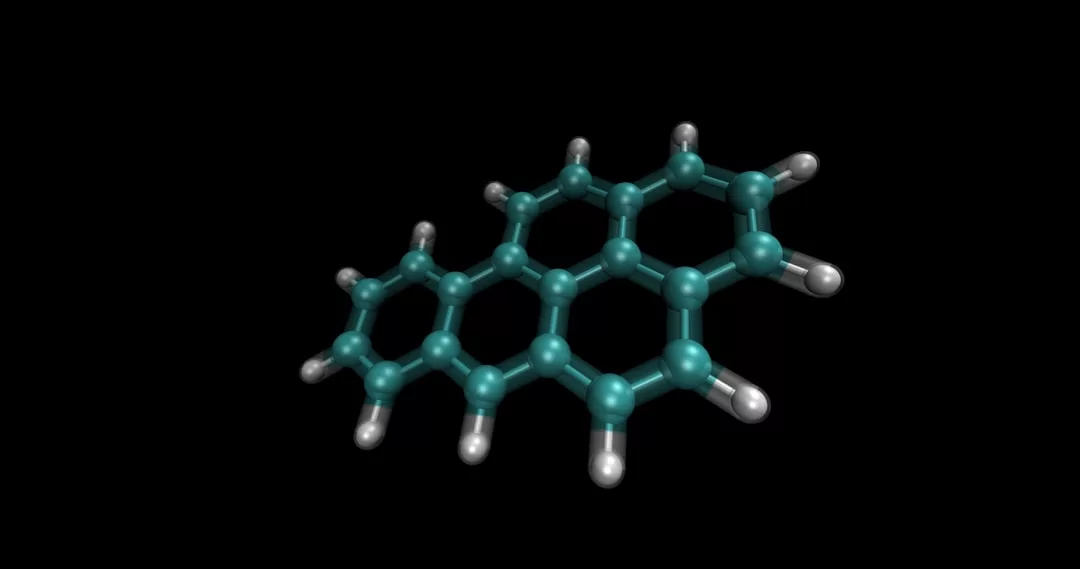
Epigenetics is a complex and fascinating field of biology that explores the mechanisms by which gene expression is regulated without altering the underlying DNA sequence. The term “epigenetics” itself derives from the Greek prefix “epi,” meaning “above” or “over,” and “genetics,” which refers to the study of genes. This discipline investigates how various factors can influence gene activity, leading to changes in phenotype that can be heritable across generations.
Unlike traditional genetics, which focuses on the sequence of nucleotides in DNA, epigenetics examines the chemical modifications and structural changes that affect how genes are turned on or off. At the heart of epigenetics are modifications such as DNA methylation, histone modification, and non-coding RNA molecules. These modifications can be influenced by a variety of factors, including environmental stimuli, lifestyle choices, and developmental stages.
For instance, DNA methylation involves the addition of a methyl group to the DNA molecule, typically at cytosine bases, which can inhibit gene expression. Histone modifications, on the other hand, involve the addition or removal of chemical groups to histone proteins around which DNA is wrapped, thereby altering the accessibility of the genetic material for transcription. This intricate regulatory network allows organisms to adapt to their environments and respond to internal and external cues without changing their genetic code.
Key Takeaways
- Epigenetics is the study of changes in gene expression that do not involve alterations to the DNA sequence.
- Epigenetic mechanisms play a crucial role in regulating gene expression and can be influenced by environmental factors.
- Environmental factors such as diet, stress, and exposure to toxins can impact epigenetic processes and contribute to the development of diseases.
- Epigenetics has a significant impact on health and disease, influencing susceptibility to various conditions such as cancer, diabetes, and cardiovascular disease.
- The future of epigenetics research holds promise for personalized medicine, aging, mental health, and unlocking human potential, but ethical considerations must be carefully addressed.
The Role of Epigenetics in Gene Expression
Gene expression is a fundamental biological process that determines how genes are translated into functional proteins, which in turn influence cellular behavior and organismal traits. Epigenetics plays a crucial role in this process by modulating the accessibility of genes to the transcriptional machinery. For example, when certain genes are marked with specific epigenetic modifications, they may become more or less accessible for transcription, leading to variations in protein production.
This regulation is essential for normal development, cellular differentiation, and maintaining homeostasis within an organism. One of the most well-studied examples of epigenetic regulation is the phenomenon of X-chromosome inactivation in female mammals. In females, who possess two X chromosomes, one of these chromosomes is randomly inactivated during early embryonic development.
This process ensures that females do not express double the amount of X-linked genes compared to males, who have only one X chromosome. The inactivated X chromosome undergoes extensive DNA methylation and histone modifications, effectively silencing its gene expression. This example illustrates how epigenetic mechanisms can lead to significant differences in gene expression patterns between sexes and contribute to phenotypic diversity.
Understanding Epigenetic Mechanisms
The mechanisms underlying epigenetic regulation are diverse and multifaceted. DNA methylation is one of the most extensively studied mechanisms; it involves the addition of a methyl group to cytosine residues in DNA, often occurring in regions known as CpG islands. When these regions are heavily methylated, gene expression is typically repressed.
Conversely, demethylation can activate gene expression by making the DNA more accessible to transcription factors and RNA polymerase. Histone modifications also play a pivotal role in epigenetic regulation. Histones are proteins that package DNA into a compact structure known as chromatin.
The tails of histones can undergo various post-translational modifications, such as acetylation, phosphorylation, and ubiquitination. For instance, histone acetylation generally correlates with active gene transcription because it neutralizes the positive charge of histones, reducing their affinity for negatively charged DNA and allowing for a more relaxed chromatin structure. In contrast, histone methylation can either activate or repress gene expression depending on the specific amino acid residue that is modified and the context in which these modifications occur.
Non-coding RNAs (ncRNAs) also contribute significantly to epigenetic regulation. These RNA molecules do not code for proteins but play critical roles in regulating gene expression at various levels. For example, microRNAs (miRNAs) can bind to messenger RNAs (mRNAs) and inhibit their translation or promote their degradation, effectively silencing specific genes post-transcriptionally.
Long non-coding RNAs (lncRNAs) can interact with chromatin-modifying complexes to influence gene expression by recruiting these complexes to specific genomic regions.
Environmental Factors and Epigenetics
Environmental factors have a profound impact on epigenetic modifications and can lead to changes in gene expression that may have lasting effects on an organism’s phenotype. These factors include diet, stress, exposure to toxins, and even social interactions. For instance, studies have shown that maternal nutrition during pregnancy can influence the epigenetic landscape of the developing fetus.
A diet rich in folate and other methyl donors can promote DNA methylation processes that regulate gene expression related to growth and metabolism. Another compelling example is the impact of stress on epigenetic changes. Chronic stress has been shown to induce alterations in DNA methylation patterns associated with genes involved in stress response pathways.
These changes can affect an individual’s susceptibility to mental health disorders such as depression and anxiety. Furthermore, research has indicated that early-life stress can lead to epigenetic modifications that persist into adulthood, potentially influencing behavior and health outcomes later in life.
The Impact of Epigenetics on Health and Disease
The implications of epigenetics extend far beyond basic biology; they have significant ramifications for health and disease. Aberrant epigenetic modifications have been implicated in various diseases, including cancer, cardiovascular diseases, and neurodegenerative disorders. In cancer, for example, abnormal DNA methylation patterns can lead to the silencing of tumor suppressor genes or the activation of oncogenes, contributing to uncontrolled cell proliferation and tumor development.
Moreover, epigenetic changes can serve as biomarkers for disease diagnosis and prognosis. For instance, specific patterns of DNA methylation have been identified as potential indicators for early detection of certain cancers. These biomarkers can provide valuable information about disease progression and response to treatment, allowing for more personalized therapeutic approaches.
In addition to cancer, epigenetics plays a role in metabolic disorders such as obesity and diabetes. Research has shown that environmental factors like diet and physical activity can induce epigenetic changes that affect metabolic pathways and insulin sensitivity. Understanding these mechanisms opens new avenues for developing targeted interventions aimed at preventing or treating metabolic diseases through lifestyle modifications or pharmacological agents that influence epigenetic regulation.
Epigenetics and Personalized Medicine
The integration of epigenetics into personalized medicine represents a promising frontier in healthcare. Personalized medicine aims to tailor medical treatment to individual characteristics, including genetic makeup, lifestyle factors, and environmental exposures. By understanding an individual’s unique epigenetic profile, healthcare providers can make more informed decisions regarding prevention strategies and treatment options.
For example, cancer therapies increasingly consider the epigenetic landscape of tumors when designing treatment plans. Certain drugs target specific epigenetic modifications to reactivate silenced tumor suppressor genes or inhibit oncogenes. This approach not only enhances treatment efficacy but also minimizes side effects by sparing healthy tissues from unnecessary damage.
Furthermore, pharmacogenomics, the study of how genes affect a person’s response to drugs, can be enriched by incorporating epigenetic data. Variations in an individual’s epigenome may influence drug metabolism and efficacy, leading to more precise dosing regimens tailored to individual needs. As research continues to uncover the intricate relationships between genetics, epigenetics, and drug response, personalized medicine will likely evolve into a more holistic approach that considers both genetic predispositions and epigenetic modifications.
Epigenetics and Aging
Aging is a complex biological process characterized by gradual decline in physiological function and increased susceptibility to diseases. Recent studies have highlighted the role of epigenetics in aging by demonstrating how epigenetic modifications accumulate over time and contribute to age-related phenotypes. One prominent theory suggests that changes in DNA methylation patterns may serve as biological clocks that reflect an individual’s chronological age.
Research has identified specific sets of CpG sites whose methylation status correlates with age; these are often referred to as “epigenetic clocks.” These clocks can predict biological age more accurately than chronological age alone by assessing the cumulative effects of environmental exposures and lifestyle choices on an individual’s epigenome. Such insights could revolutionize our understanding of aging and lead to interventions aimed at promoting healthy aging through lifestyle modifications or pharmacological agents that target epigenetic pathways. Moreover, age-related diseases such as Alzheimer’s disease have been linked to dysregulation of epigenetic mechanisms.
Changes in histone modifications and DNA methylation patterns have been observed in brain tissues from individuals with Alzheimer’s disease compared to healthy controls. Understanding these alterations may provide new therapeutic targets for preventing or treating neurodegenerative diseases associated with aging.
Epigenetics and Mental Health
The relationship between epigenetics and mental health is an area of growing interest within both research and clinical settings. Mental health disorders such as depression, anxiety, and schizophrenia have been associated with alterations in epigenetic regulation. Environmental stressors, such as trauma or chronic stress, can induce epigenetic changes that affect gene expression related to mood regulation and stress response. These changes may contribute to an increased risk of developing mood disorders later in life. Additionally, pharmacological treatments for mental health conditions may exert their effects through epigenetic mechanisms by modifying gene expression profiles associated with neurotransmitter systems.
The potential for utilizing epigenetic insights in mental health treatment is promising. By identifying specific epigenetic markers associated with mental health disorders, clinicians could develop targeted interventions aimed at reversing maladaptive gene expression patterns. Furthermore, lifestyle interventions, such as exercise or mindfulness practices, may also influence epigenetic regulation and promote resilience against mental health challenges.
The Future of Epigenetics Research
The future of epigenetics research holds immense potential for advancing our understanding of biology and medicine. As technology continues to evolve, researchers are developing more sophisticated tools for studying the epigenome at unprecedented resolution. Techniques such as single-cell sequencing allow scientists to investigate epigenetic variations at the level of individual cells within complex tissues, providing insights into cellular heterogeneity and its implications for health and disease.
Moreover, interdisciplinary collaborations between fields such as genomics, bioinformatics, neuroscience, and environmental science will be crucial for unraveling the complexities of the epigenome. By integrating diverse datasets, from genetic information to environmental exposures, researchers can gain a more comprehensive understanding of how these factors interact to shape phenotypic outcomes. As our knowledge expands, ethical considerations surrounding epigenetics will also become increasingly important.
Issues related to privacy, consent, and potential misuse of epigenetic information will need careful consideration as we navigate this rapidly evolving field.
Ethical Considerations in Epigenetics
The exploration of epigenetics raises several ethical considerations that warrant careful examination. One major concern revolves around privacy issues related to genetic information, particularly when it comes to accessing an individual’s epigenetic data for research or clinical purposes. As our understanding of how environmental factors influence gene expression deepens, questions arise about who has access to this information and how it may be used. Participants must be fully aware of how their information will be utilized and any potential implications for their health or privacy. Additionally, there is a risk that individuals may face discrimination based on their epigenetic profiles, similar to concerns already present in genetic testing, leading to stigmatization or unequal access to healthcare resources.
Furthermore, as personalized medicine becomes more prevalent through advancements in epigenetics research, equitable access to these innovations must be ensured across diverse populations. Disparities in healthcare access could exacerbate existing inequalities if certain groups are unable to benefit from emerging therapies based on their unique epigenetic profiles.
Harnessing the Power of Epigenetics for Human Potential
Harnessing the power of epigenetics offers exciting possibilities for enhancing human potential across various domains, from health optimization to educational achievement. By understanding how lifestyle choices influence our epigenomes, individuals may be empowered to make informed decisions that promote well-being and resilience against disease. For instance, interventions aimed at improving nutrition or physical activity could be designed based on an individual’s unique epigenetic profile, tailoring recommendations that maximize positive outcomes while minimizing risks associated with adverse genetic predispositions.
Similarly, educational programs could incorporate insights from epigenetics research regarding optimal learning environments or stress management techniques that support cognitive development. Moreover, fostering awareness about the impact of environmental factors on our epigenomes could encourage collective action toward creating healthier communities, emphasizing policies that promote clean air and water access or equitable healthcare resources. As we continue exploring this dynamic field at the intersection of genetics and environment, unlocking new insights into human biology, we stand poised not only to enhance individual lives but also contribute positively toward societal well-being through informed choices rooted in our understanding of epigenetics.
More in
More from Longevity
Longevity · 8 min
Unlocking Cognitive Function: The Key to Mental Sharpness
Cognitive function encompasses a range of mental processes that are essential for acquiring knowledge and understanding through thought, experience, a…

Longevity · 9 min
Exploring Blue Zone Diets for Longevity
Blue Zones are regions of the world where people have been observed to live significantly longer and healthier lives than the global average. The term…

Longevity · 8 min
5 Tips for Better Cardiovascular Health
Cardiovascular health refers to the well-being of the heart and blood vessels, which are crucial for maintaining overall health and vitality. The card…