Longevity · Longevity
Unlocking the Power of Telomerase Activation
Telomeres are specialized structures located at the ends of chromosomes, composed of repetitive nucleotide sequences that protect the chromosome from deterioration or fusion with n…
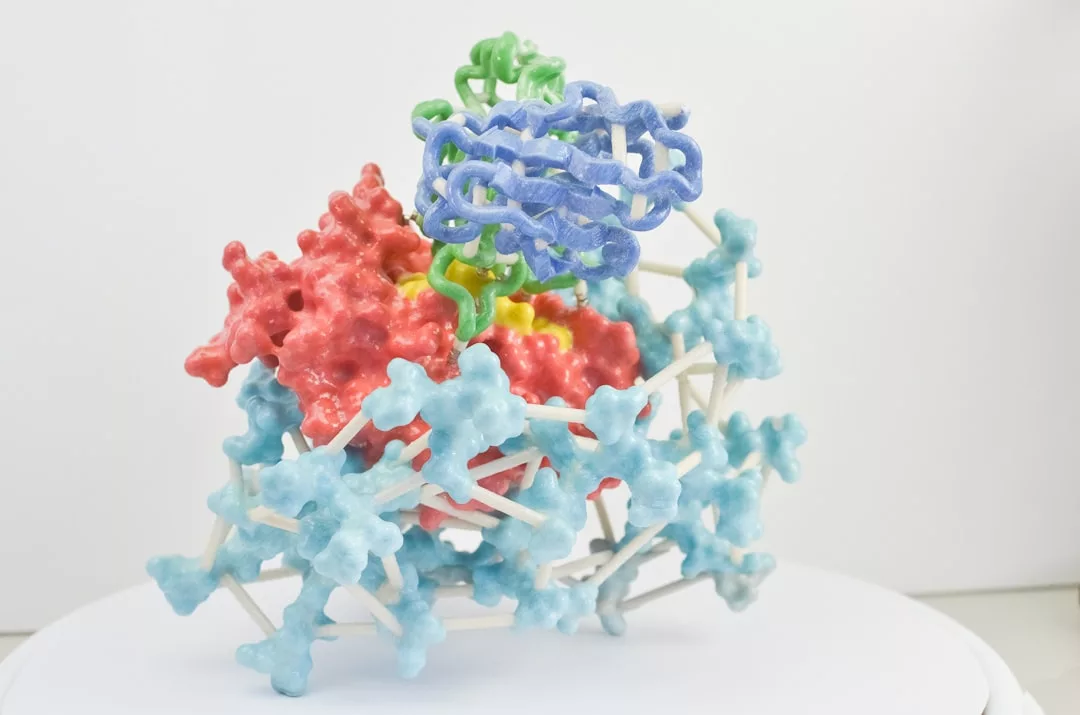
Telomeres are specialized structures located at the ends of chromosomes, composed of repetitive nucleotide sequences that protect the chromosome from deterioration or fusion with neighboring chromosomes. Each time a cell divides, a portion of the telomere is lost, which ultimately leads to cellular aging and senescence. This phenomenon is often referred to as the “telomere shortening” process.
In humans, telomeres typically consist of repetitive sequences of the DNA base pairs TTAGGG, and their length can be influenced by various factors, including genetics, lifestyle, and environmental stressors. Telomerase is an enzyme that plays a crucial role in maintaining telomere length.
It is a ribonucleoprotein complex that adds nucleotide sequences to the ends of telomeres, effectively counteracting the natural shortening process that occurs during cell division. While telomerase is active in germ cells, stem cells, and certain immune cells, its activity is significantly reduced or absent in most somatic cells. This limited expression of telomerase in adult tissues is one reason why aging is associated with a decline in cellular function and regenerative capacity.
Understanding the intricate relationship between telomeres and telomerase is essential for exploring potential interventions aimed at promoting healthspan and longevity.
Key Takeaways
- Telomeres are protective caps at the end of chromosomes that shorten with each cell division, leading to cellular aging.
- Telomerase is an enzyme that can lengthen telomeres, potentially slowing down cellular aging and promoting longevity.
- Activating telomerase may have potential health benefits, including improved immune function and reduced risk of age-related diseases.
- Natural ways to activate telomerase include stress reduction, regular exercise, and a healthy diet rich in antioxidants and anti-inflammatory foods.
- Telomerase activation has been linked to longevity and may play a role in disease prevention, making it an area of interest for future research and anti-aging therapies.
The Role of Telomerase in Cellular Aging
The relationship between telomerase and cellular aging is a complex interplay that has garnered significant attention in the field of biogerontology. As cells divide, the gradual erosion of telomeres leads to a state known as replicative senescence, where cells lose their ability to proliferate. This process is thought to contribute to various age-related diseases, including cardiovascular disease, diabetes, and certain types of cancer.
The decline in telomere length serves as a biological clock that limits the number of times a cell can divide, thereby influencing the overall aging process. Research has shown that reactivating telomerase in somatic cells can extend their lifespan and enhance their functional capabilities. For instance, studies involving mice have demonstrated that introducing telomerase can reverse age-related changes in tissues and improve regenerative capacity.
In one notable study, researchers found that mice with activated telomerase exhibited improved muscle regeneration and enhanced tissue repair following injury. These findings suggest that telomerase plays a pivotal role not only in cellular aging but also in maintaining tissue homeostasis and function throughout an organism’s life.
Telomerase Activation and its Potential Health Benefits
The activation of telomerase presents a promising avenue for promoting health and longevity. By enhancing telomerase activity, it may be possible to counteract the effects of aging at the cellular level. One of the most compelling aspects of telomerase activation is its potential to improve tissue regeneration and repair mechanisms.
For example, in studies involving human fibroblasts, researchers have observed that increased telomerase activity leads to enhanced cell proliferation and improved wound healing capabilities. This suggests that harnessing the power of telomerase could have significant implications for regenerative medicine. Moreover, telomerase activation may also play a role in mitigating age-related diseases.
Chronic inflammation and oxidative stress are hallmarks of aging that contribute to the development of various conditions, including neurodegenerative diseases and cardiovascular disorders. By promoting telomerase activity, it may be possible to reduce inflammation and oxidative damage at the cellular level, thereby improving overall health outcomes.
Natural Ways to Activate Telomerase
While pharmaceutical interventions for telomerase activation are being explored, there are also natural approaches that may help stimulate this enzyme’s activity. Lifestyle factors such as diet, exercise, and stress management have been shown to influence telomere length and telomerase activity. For instance, regular physical activity has been linked to longer telomeres and increased telomerase expression.
Engaging in aerobic exercises like running or swimming can enhance cardiovascular health while simultaneously promoting cellular longevity. Dietary choices also play a significant role in telomere maintenance. Consuming a diet rich in antioxidants, found in fruits, vegetables, nuts, and whole grains, can help combat oxidative stress and inflammation, both of which contribute to telomere shortening.
Specific nutrients such as omega-3 fatty acids, vitamin D, and polyphenols have been associated with increased telomerase activity. For example, studies have shown that individuals who consume diets high in omega-3 fatty acids exhibit longer telomeres compared to those with lower intake levels.
The Link Between Telomerase Activation and Longevity
The connection between telomerase activation and longevity is an area of intense research interest. Studies have consistently shown that individuals with longer telomeres tend to live longer and experience fewer age-related diseases. This correlation suggests that maintaining or enhancing telomerase activity could be a key factor in promoting longevity.
In animal models, experiments have demonstrated that manipulating telomerase expression can lead to increased lifespan; for instance, mice engineered to express higher levels of telomerase showed significant increases in both lifespan and healthspan. Furthermore, research has indicated that certain populations known for their longevity, such as those living in Blue Zones, exhibit unique lifestyle factors that may contribute to longer telomere length and enhanced telomerase activity. These factors include strong social connections, regular physical activity, plant-based diets, and low levels of chronic stress.
Understanding how these lifestyle elements influence telomere biology could provide valuable insights into strategies for promoting longevity in the general population.
The Impact of Telomerase Activation on Disease Prevention
Telomerase activation holds promise not only for extending lifespan but also for preventing age-related diseases. The decline in telomere length has been implicated in various conditions such as cancer, cardiovascular disease, and neurodegenerative disorders. By enhancing telomerase activity, it may be possible to mitigate the risk factors associated with these diseases.
For example, research has shown that individuals with shorter telomeres are at a higher risk for developing cardiovascular issues due to increased inflammation and endothelial dysfunction. In cancer research, the role of telomerase is particularly intriguing. Many cancer cells exhibit reactivated telomerase activity, allowing them to bypass normal cellular aging processes and continue dividing uncontrollably.
Conversely, targeting telomerase in cancer therapy has emerged as a potential strategy for limiting tumor growth while preserving normal cells’ function. By understanding how to manipulate telomerase activity effectively, researchers hope to develop novel therapeutic approaches that can prevent or treat age-related diseases while minimizing adverse effects on healthy tissues.
The Future of Telomerase Activation Research
The future of telomerase activation research is poised for significant advancements as scientists continue to unravel the complexities of this enzyme’s role in aging and disease prevention. Ongoing studies are exploring various methods for safely activating telomerase without increasing the risk of cancerous growths associated with uncontrolled cell division. Gene therapy techniques are being investigated as potential avenues for delivering telomerase genes directly into target cells while minimizing off-target effects.
Additionally, researchers are examining the molecular pathways involved in regulating telomerase expression. Understanding these pathways could lead to the development of pharmacological agents that selectively enhance telomerase activity in specific tissues without compromising overall cellular integrity. As our knowledge expands regarding the mechanisms governing telomere biology, it is likely that innovative therapies will emerge aimed at harnessing the benefits of telomerase activation for healthy aging.
Telomerase Activation and its Effect on Cellular Regeneration
Telomerase activation has profound implications for cellular regeneration across various tissues in the body. Stem cells are particularly reliant on telomerase activity for their ability to self-renew and differentiate into specialized cell types. In adult organisms, stem cells play a critical role in tissue repair and regeneration following injury or stress.
By enhancing telomerase activity within these stem cells, researchers aim to improve their regenerative capabilities and promote healing processes. For instance, studies have demonstrated that activating telomerase in mesenchymal stem cells can enhance their proliferation and differentiation potential into bone or cartilage cells. This has significant implications for treating degenerative conditions such as osteoarthritis or osteoporosis where tissue regeneration is compromised due to aging or injury.
Furthermore, understanding how to manipulate telomerase activity could lead to breakthroughs in regenerative medicine applications such as organ transplantation or tissue engineering.
The Importance of Telomerase Activation in Anti-Aging Therapies
As the quest for effective anti-aging therapies continues, telomerase activation stands out as a promising strategy for combating age-related decline at the cellular level. The ability to maintain or restore youthful cellular function through targeted interventions could revolutionize how we approach aging and its associated diseases. Current anti-aging therapies often focus on managing symptoms rather than addressing underlying biological processes; however, by targeting telomere biology directly through telomerase activation, it may be possible to fundamentally alter the aging trajectory.
Clinical trials investigating the safety and efficacy of telomerase activators are already underway, with preliminary results showing promise in improving markers of biological age among participants. These trials aim not only to assess the impact on lifespan but also on healthspan, the period during which individuals remain free from chronic diseases associated with aging. As research progresses, it is anticipated that more refined approaches will emerge that integrate telomerase activation into comprehensive anti-aging regimens.
Potential Risks and Limitations of Telomerase Activation
Despite its potential benefits, activating telomerase is not without risks and limitations that must be carefully considered. One major concern is the association between increased telomerase activity and cancer development; since many tumors rely on reactivated telomerase for unchecked growth, there is a delicate balance between promoting healthy cell proliferation and inadvertently facilitating tumorigenesis. Therefore, any therapeutic strategies aimed at enhancing telomerase must be rigorously tested for safety before being implemented clinically.
Additionally, individual variability plays a significant role in how different people respond to interventions targeting telomere biology. Genetic predispositions may influence baseline telomere length and response to lifestyle changes or pharmacological agents aimed at activating telomerase. Understanding these variations will be crucial for developing personalized approaches to harnessing the benefits of telomerase activation while minimizing potential adverse effects.
Incorporating Telomerase Activation into Personal Wellness Practices
Incorporating strategies for activating telomerase into personal wellness practices can empower individuals to take charge of their health as they age. Emphasizing lifestyle factors such as regular exercise, balanced nutrition rich in antioxidants, stress management techniques like mindfulness or yoga can create an environment conducive to maintaining healthy telomere length and promoting optimal cellular function. Moreover, individuals may consider engaging with emerging research on supplements or nutraceuticals known to support telomere health, such as those containing resveratrol or curcumin, while remaining mindful of scientific evidence regarding their efficacy.
As our understanding of telomere biology continues to evolve, integrating these practices into daily routines may offer a proactive approach toward enhancing longevity and overall well-being throughout life’s journey.
◦ Good to know
What are telomeres and why do they matter?
Telomeres are protective structures at the ends of chromosomes, made of repetitive nucleotide sequences that shield the chromosome from deterioration or fusion. In humans they consist of repeated TTAGGG base pairs. Each time a cell divides, a portion is lost, and once telomeres reach a critical length they trigger cellular senescence, where cells can no longer divide optimally.
Are there natural ways to support telomerase activity?
The article notes that lifestyle factors can influence telomere length and telomerase activity. Regular physical activity, such as running or swimming, has been linked to longer telomeres and increased expression. A diet rich in antioxidants from fruits, vegetables, nuts and whole grains, along with omega-3 fatty acids, vitamin D and polyphenols, is also associated with greater activity.
What are the risks of telomerase activation?
The main concern is the link between increased telomerase activity and cancer, since many tumours rely on reactivated telomerase for unchecked growth. This creates a delicate balance between promoting healthy cell proliferation and inadvertently encouraging tumour development, so therapies must be rigorously tested for safety. Individual variability, including genetic predispositions, also affects how people respond to such interventions.
More in
More from Longevity
Longevity · 8 min
Unlocking Cognitive Function: The Key to Mental Sharpness
Cognitive function encompasses a range of mental processes that are essential for acquiring knowledge and understanding through thought, experience, a…

Longevity · 9 min
Exploring Blue Zone Diets for Longevity
Blue Zones are regions of the world where people have been observed to live significantly longer and healthier lives than the global average. The term…

Longevity · 8 min
5 Tips for Better Cardiovascular Health
Cardiovascular health refers to the well-being of the heart and blood vessels, which are crucial for maintaining overall health and vitality. The card…