Longevity · Longevity
Unlocking the Power of the Gut Microbiome
The gut microbiome, a complex ecosystem of trillions of microorganisms residing in the gastrointestinal tract, plays a pivotal role in maintaining overall health. This intricate co…
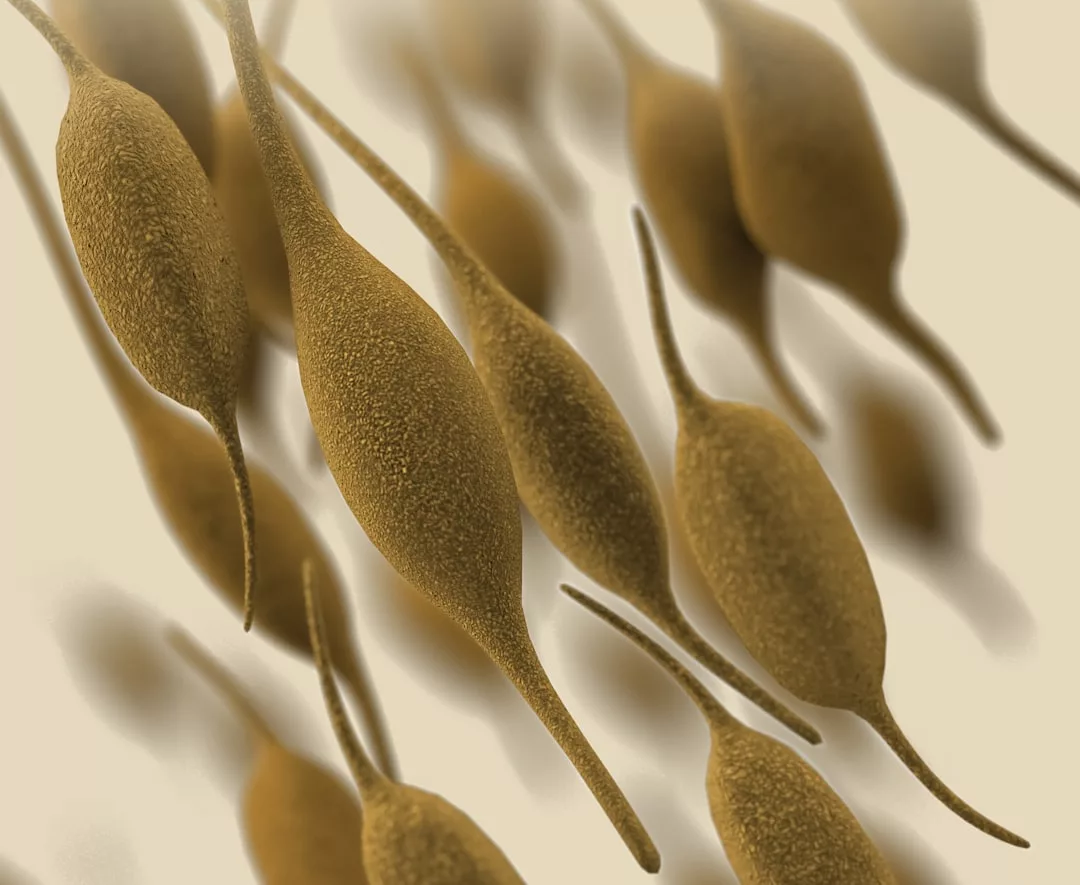
The gut microbiome, a complex ecosystem of trillions of microorganisms residing in the gastrointestinal tract, plays a pivotal role in maintaining overall health. This intricate community of bacteria, viruses, fungi, and other microbes is not merely a passive inhabitant of the digestive system; it actively participates in various physiological processes that are crucial for human well-being. The gut microbiome influences metabolism, synthesizes essential vitamins, and contributes to the development and regulation of the immune system.
Its impact extends beyond digestion, affecting mental health, weight management, and even chronic disease susceptibility. Research has shown that a balanced gut microbiome is essential for optimal health. Disruptions in this microbial community can lead to dysbiosis, a condition characterized by an imbalance of beneficial and harmful microorganisms.
Dysbiosis has been linked to a range of health issues, including obesity, diabetes, inflammatory bowel disease, and even mental health disorders such as anxiety and depression. Understanding the role of the gut microbiome in health is crucial for developing strategies to prevent and treat these conditions, highlighting the need for ongoing research in this dynamic field.
Key Takeaways
- The gut microbiome plays a crucial role in overall health, including digestion, immune function, and even mental health.
- The composition of the gut microbiome is influenced by factors such as diet, lifestyle, and environmental exposures.
- A healthy gut microbiome is essential for digestive health, as it helps to break down food, absorb nutrients, and prevent harmful bacteria from thriving.
- The gut microbiome also plays a key role in immune function, helping to protect against infections and regulate inflammation.
- Research into the gut-brain connection suggests that the gut microbiome may influence mood, behavior, and mental health.
Understanding the Composition of the Gut Microbiome
The composition of the gut microbiome is highly individualized, influenced by a variety of factors including genetics, diet, environment, and lifestyle. The microbial community is predominantly composed of bacteria, with Firmicutes and Bacteroidetes being the two most abundant phyla. However, the gut microbiome also includes archaea, viruses (particularly bacteriophages), and eukaryotes such as fungi.
Each individual’s microbiome is unique, shaped by early life exposures, dietary habits, and even geographical location. Diversity within the gut microbiome is often associated with better health outcomes. A diverse microbial community can enhance resilience against pathogens and support metabolic functions.
Conversely, a less diverse microbiome may predispose individuals to various health issues. For instance, studies have shown that individuals with obesity often exhibit a reduced diversity of gut bacteria compared to their lean counterparts. This highlights the importance of understanding not just the presence of specific microbes but also the overall composition and diversity of the gut microbiome in relation to health.
Factors Affecting the Gut Microbiome
Numerous factors can influence the composition and function of the gut microbiome. One of the most significant is diet. The types of foods consumed can either promote or inhibit the growth of specific microbial populations.
Diets rich in fiber, for example, tend to support beneficial bacteria that ferment these fibers into short-chain fatty acids (SCFAs), which have anti-inflammatory properties and contribute to gut health.
While antibiotics are effective in treating bacterial infections, they can also indiscriminately kill beneficial bacteria, leading to dysbiosis. This disruption can have lasting effects on gut health and may take months or even years for the microbiome to fully recover. Other factors such as stress, sleep patterns, and physical activity levels also play a role in shaping the gut microbiome.
Chronic stress can lead to changes in gut permeability and microbial composition, while regular exercise has been shown to promote a more diverse and balanced microbiome.
Gut Microbiome and Digestive Health
The gut microbiome is integral to digestive health, influencing not only how food is processed but also how nutrients are absorbed. Beneficial bacteria help break down complex carbohydrates and fibers that human enzymes cannot digest alone. This fermentation process produces SCFAs like butyrate, which nourish colon cells and maintain gut barrier integrity.
A healthy gut barrier prevents harmful substances from entering the bloodstream, reducing inflammation and promoting overall health. Disruptions in the gut microbiome can lead to various digestive disorders. Conditions such as irritable bowel syndrome (IBS), inflammatory bowel disease (IBD), and celiac disease have all been associated with alterations in gut microbial composition.
For instance, individuals with IBS often exhibit an overgrowth of certain bacteria that produce gas and cause bloating. Similarly, patients with IBD may have reduced levels of beneficial bacteria like Faecalibacterium prausnitzii, which is known for its anti-inflammatory properties. Understanding these connections underscores the importance of maintaining a healthy gut microbiome for optimal digestive function.
Gut Microbiome and Immune Function
The gut microbiome plays a crucial role in modulating immune function. Approximately 70% of the immune system resides in the gut-associated lymphoid tissue (GALT), where it interacts closely with the resident microbiota. Beneficial microbes help train the immune system to distinguish between harmful pathogens and benign substances, thereby preventing inappropriate immune responses that can lead to allergies or autoimmune diseases.
Research has demonstrated that a diverse gut microbiome can enhance immune responses and reduce inflammation. For example, certain strains of probiotics have been shown to stimulate the production of immunoglobulin A (IgA), an antibody that plays a key role in mucosal immunity. Conversely, dysbiosis can lead to an overactive immune response or immune tolerance breakdown, contributing to conditions such as food allergies or inflammatory diseases.
The interplay between the gut microbiome and immune function highlights the potential for targeted interventions aimed at restoring microbial balance to improve immune health.
The Gut-Brain Connection
The relationship between the gut microbiome and brain function is an emerging area of research known as the gut-brain axis. This bidirectional communication pathway involves neural, hormonal, and immunological signals that link the gastrointestinal tract with the central nervous system. The gut microbiome produces various metabolites that can influence brain function and behavior, including neurotransmitters like serotonin and gamma-aminobutyric acid (GABA).
Studies have shown that alterations in gut microbiota composition can impact mood and cognitive function. For instance, individuals with depression often exhibit distinct microbial profiles compared to healthy individuals. Animal studies have further demonstrated that probiotics can alleviate anxiety-like behaviors by modulating neuroinflammation and enhancing neurotransmitter production.
This connection suggests that interventions targeting the gut microbiome may offer novel therapeutic approaches for mental health disorders.
Strategies to Promote a Healthy Gut Microbiome
Promoting a healthy gut microbiome involves adopting lifestyle changes that support microbial diversity and balance. One effective strategy is incorporating a wide variety of plant-based foods into the diet. Fruits, vegetables, whole grains, legumes, nuts, and seeds are rich in dietary fibers that serve as prebiotics, substances that nourish beneficial bacteria in the gut.
A diverse diet not only provides essential nutrients but also fosters a more varied microbial community. In addition to dietary changes, regular physical activity has been shown to positively influence gut health. Exercise can enhance microbial diversity and promote the growth of beneficial bacteria while reducing inflammation.
Furthermore, managing stress through mindfulness practices such as meditation or yoga can also support a healthy gut microbiome by mitigating stress-induced dysbiosis. These lifestyle strategies collectively contribute to maintaining a balanced gut ecosystem.
Probiotics and Gut Health
Probiotics are live microorganisms that confer health benefits when consumed in adequate amounts. They are often referred to as “good” bacteria due to their ability to restore balance within the gut microbiome. Probiotic supplements are available in various forms, including capsules, powders, and fermented foods like yogurt and kefir.
Research has demonstrated that specific strains of probiotics can be effective in treating conditions such as antibiotic-associated diarrhea, irritable bowel syndrome, and even certain types of inflammatory bowel disease. The efficacy of probiotics largely depends on their strain specificity; not all probiotics provide the same benefits. For example, Lactobacillus rhamnosus GG has been shown to reduce the incidence of antibiotic-associated diarrhea, while Bifidobacterium infantis may alleviate symptoms of IBS.
It is essential for consumers to choose probiotic products based on scientific evidence supporting their effectiveness for specific health conditions.
Diet and the Gut Microbiome
Diet plays a fundamental role in shaping the composition and function of the gut microbiome. A diet high in fiber promotes the growth of beneficial bacteria that ferment these fibers into SCFAs, which have numerous health benefits including anti-inflammatory effects and improved gut barrier function. Conversely, diets high in saturated fats and sugars can lead to dysbiosis by promoting harmful bacterial overgrowth.
Fermented foods are particularly beneficial for gut health due to their high probiotic content. Foods such as sauerkraut, kimchi, miso, and kombucha contain live microorganisms that can help restore balance within the gut microbiome. Additionally, polyphenol-rich foods like berries, green tea, and dark chocolate have been shown to positively influence microbial diversity by acting as prebiotics themselves.
Lifestyle Factors and the Gut Microbiome
Beyond diet, various lifestyle factors significantly impact the gut microbiome’s composition and function. Sleep quality is one such factor; inadequate sleep has been linked to alterations in microbial diversity and increased inflammation. Chronic sleep deprivation can disrupt circadian rhythms that govern metabolic processes within both host and microbes.
Stress management is another critical aspect influencing gut health. Chronic stress can lead to changes in gut permeability (often referred to as “leaky gut”) and alter microbial composition negatively. Engaging in regular physical activity not only helps mitigate stress but also promotes a more diverse gut microbiome by enhancing microbial diversity through increased transit time in the gastrointestinal tract.
The Future of Gut Microbiome Research
The field of gut microbiome research is rapidly evolving as scientists continue to uncover its complexities and implications for human health. Future research will likely focus on personalized approaches to nutrition and medicine based on individual microbiome profiles. Advances in metagenomic sequencing technologies are enabling researchers to analyze microbial communities with unprecedented detail, paving the way for tailored interventions aimed at restoring balance within dysbiotic microbiomes.
Moreover, understanding how environmental factors such as pollution or antibiotic exposure affect microbial communities will be crucial for developing public health strategies aimed at promoting gut health on a larger scale. As our knowledge expands regarding the intricate relationships between diet, lifestyle factors, and microbial ecosystems within our bodies, we may unlock new avenues for preventing chronic diseases and enhancing overall well-being through targeted interventions centered around the gut microbiome.
More in
More from Longevity
Longevity · 8 min
Unlocking Cognitive Function: The Key to Mental Sharpness
Cognitive function encompasses a range of mental processes that are essential for acquiring knowledge and understanding through thought, experience, a…

Longevity · 9 min
Exploring Blue Zone Diets for Longevity
Blue Zones are regions of the world where people have been observed to live significantly longer and healthier lives than the global average. The term…

Longevity · 8 min
5 Tips for Better Cardiovascular Health
Cardiovascular health refers to the well-being of the heart and blood vessels, which are crucial for maintaining overall health and vitality. The card…