Fashion Events Calendar: The Ultimate Guide to the Global Fashion Season
Your guide to the global fashion calendar: the Big Four fashion weeks, Paris haute couture, Resort, Pre-Fall, menswear and the key trade shows that shape each season.…
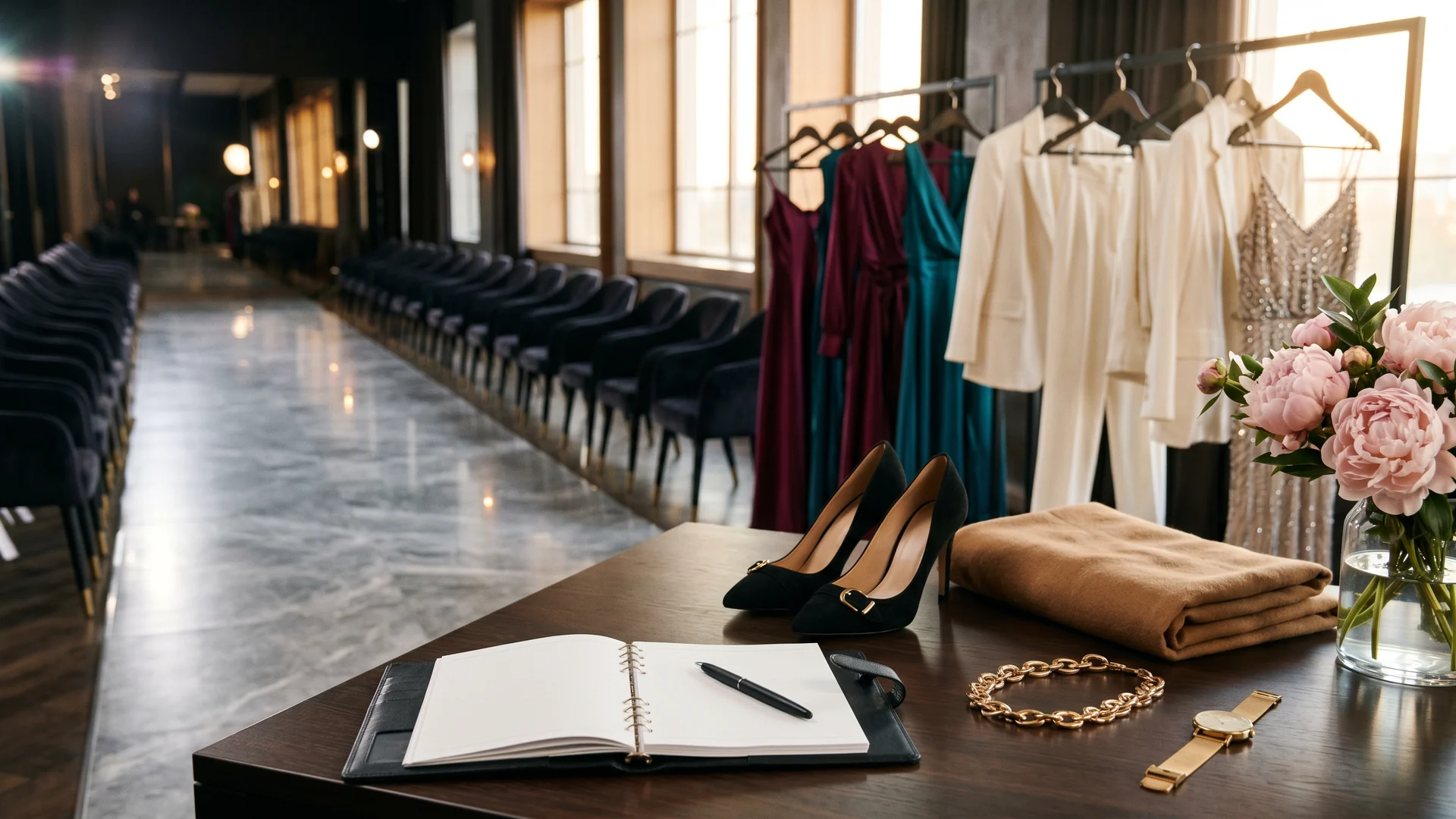
The global fashion calendar is a synchronized annual cycle built around the Big Four fashion weeks in New York, London, Milan, and Paris, plus couture, Resort, Pre-Fall, menswear, and trade events.
Key Takeaways
- The Big Four fashion weeks unfold in sequence New York, London, Milan, then Paris, showing Fall/Winter in February/March and Spring/Summer in September/October.
- Each Big Four city has a distinct identity: New York's commercial ready-to-wear, London's avant-garde experimentation, Milan's Italian craftsmanship, and Paris's couture grandeur that crowns the season.
- Haute couture shows take place in Paris in January and July and are a protected French designation governed by strict rules on atelier size, made-to-measure construction, and original collections.
- Inter-seasonal Resort/Cruise collections (May and June) and Pre-Fall collections (December and January) now drive substantial luxury sales because they stay in stores far longer than main seasonal lines.
- Menswear runs on its own schedule with dedicated shows in January and June, principally in Milan and Paris, increasingly blurring into co-ed presentations.
- Key industry events include Pitti Uomo in Florence, Premiere Vision in Paris, and galas such as the CFDA Awards, The Fashion Awards, and the Met Gala.
- A roughly six-month lead time from runway to boutique is the hidden logic of the calendar, which digital formats and 'see-now, buy-now' models are beginning to challenge.
🌐 Also available in: Deutsch
Understanding the Global Fashion Calendar
The global fashion calendar is a meticulously orchestrated sequence of events that drives the industry’s creative and commercial rhythm. Far from a loose collection of parties and runway spectacles, it is a tightly synchronized system that dictates when collections are conceived, shown, sold, manufactured, and ultimately delivered to boutiques and department stores around the world. For industry insiders and passionate enthusiasts alike, understanding this calendar is essential to navigating the world of high fashion.
At its core, the calendar exists to bridge the gap between creativity and commerce. Designers need a fixed schedule to present their visions; buyers need a predictable window to place orders; editors and stylists need a rhythm against which to plan magazine issues, advertising campaigns, and editorial shoots. The whole apparatus moves roughly six months ahead of the consumer, which is why Spring/Summer clothes are shown while the previous winter still lingers, and Fall/Winter collections appear in the heat of late summer. Once you grasp this forward-looking cadence, the seemingly chaotic procession of shows, presentations, and galas reveals itself as a coherent annual machine.
The Big Four Fashion Weeks
The fashion year revolves around the “Big Four”, New York, London, Milan, and Paris, which present collections in February/March (Fall/Winter) and September/October (Spring/Summer). These weeks unfold in a deliberate sequence, with the international press and buyers travelling from one city to the next over the course of roughly a month. The order is more than tradition: it allows the industry to build momentum, moving from the commercial energy of New York toward the couture grandeur that crowns the season in Paris.
Each city brings a distinct personality to the runway, and understanding these differences is key to reading the season as a whole.
- New York champions commercial innovation, ready-to-wear pragmatism, and emerging talent. American fashion has long balanced wearability with showmanship, and the New York shows tend to set the tone for what the broader market will actually buy.
- London celebrates avant-garde creativity and experimentation. With its strong design-school heritage and appetite for risk, the British capital is where boundary-pushing ideas and future household names often surface first.
- Milan showcases Italian craftsmanship, heritage houses, and a sense of polished luxury. The city’s maisons are synonymous with leather, tailoring, and an unapologetic glamour rooted in generations of artisanal expertise.
- Paris delivers the grand finale of luxury ready-to-wear and serves as the historic capital of haute couture. The French shows are widely regarded as the most influential of the season, closing the cycle with a concentration of the world’s most storied houses.
Haute Couture: The Apex of the Calendar
The January and July haute couture shows in Paris represent the most exclusive events on the calendar, accessible only to a select audience of clients, press, and industry figures. Haute couture is a protected designation in France, governed by strict criteria covering atelier size, made-to-measure construction, and the presentation of original collections each season. The result is garments built almost entirely by hand, often requiring hundreds of hours of work from specialist embroiderers, feather-workers, and seamstresses.
These presentations are not merely fashion shows: they are performances of the highest artistic ambition. Couture rarely operates on conventional commercial logic; instead, it functions as the laboratory and showcase of a house’s creative identity, where techniques and ideas are pushed to their limits before filtering down, in diluted form, into ready-to-wear and the wider market.
Resort and Pre-Fall Collections
The inter-seasonal calendar has grown dramatically in importance. Once minor, commercially driven “filler” ranges, the between-season collections now generate some of the most spectacular events of the entire year and account for a substantial share of luxury sales, precisely because they remain in stores far longer than the main seasonal lines.
Resort and Cruise Collections
Resort (or Cruise) collections, typically shown in May and June, have become major events staged in spectacular locations worldwide. What began as lightweight wardrobes for affluent clients escaping to warm climates has evolved into a stage for some of fashion’s grandest set pieces. Chanel’s Cruise shows have transformed venues from the Grand Palais to Cuba to Monaco into theatrical wonderlands, while Dior has presented collections at the Panathenaic Stadium in Athens and the Plaza de España in Seville. By taking the runway to a different city or country each year, houses generate global attention, celebrate local craft traditions, and reinforce their image as cultural institutions rather than mere clothing labels.
Pre-Fall Collections
Pre-Fall collections, presented in December and January, offer commercially vital transitional pieces that ease the wardrobe from autumn into the depths of winter. Like Resort, these shows are increasingly elaborate, with brands competing to create memorable experiences in unexpected destinations. Because they reach boutiques ahead of the main Fall/Winter deliveries and remain on the floor for an extended period, Pre-Fall ranges have quietly become some of the most important and profitable collections a house produces.
Menswear and the Expanding Schedule
While the most famous fashion weeks historically centred on womenswear, menswear has its own well-established rhythm. Dedicated men’s shows take place in January and June, principally in Milan and Paris, with strong presences in London and a growing global footprint. These weeks precede the women’s couture and Resort calendars, opening the year’s proceedings and increasingly setting trends that ripple across the entire industry.
The line between men’s and women’s calendars has also blurred in recent years. A number of houses have experimented with co-ed shows that combine both collections in a single presentation, streamlining the schedule and reflecting a broader cultural shift toward fluid, less rigidly gendered dressing. This consolidation is part of an ongoing conversation about whether the traditional calendar, with its relentless succession of deadlines, remains sustainable for designers and ateliers.
Industry Events and Trade Shows
Beyond the runway, the fashion calendar includes essential industry gatherings where much of the sector’s real business is conducted. These trade events are where fabrics are sourced, orders are negotiated, and the supply chain that underpins every collection comes into view.
- Pitti Uomo in Florence (January and June) is the premier menswear trade show, renowned for its focus on craftsmanship, tailoring, and its role as a launchpad for emerging designers. It is also famous for the elaborately dressed attendees who gather in the fortress gardens of the Fortezza da Basso, making it a fixture of street-style photography.
- Première Vision in Paris presents the latest in fabric and material innovation, bringing together mills, tanneries, and suppliers who shape the textures and palettes designers will work with seasons in advance.
- Awards and galas punctuate the year with moments of celebration and recognition. The CFDA Awards in the United States, The Fashion Awards in the United Kingdom (formerly the British Fashion Awards), and the Met Gala in New York each spotlight talent, craftsmanship, and cultural influence, while generating the kind of imagery and conversation that sustains fashion’s place in the wider cultural imagination.
Taken together, these events remind us that the calendar is not only about spectacle. Behind every gala photograph and runway finale lies an intricate commercial ecosystem of buyers, manufacturers, and craftspeople, all working to a shared schedule.
How a Collection Travels Through the Year
To see the calendar as a living system, it helps to trace a single collection from idea to wardrobe. The journey reveals why the schedule is structured the way it is, and why the industry plans so far ahead of the seasons we actually experience.
- Concept and design typically begin many months before a show, as a creative director develops themes, sources materials at fairs such as Première Vision, and oversees the construction of samples in the atelier.
- The runway presentation during one of the Big Four weeks unveils the collection to press and buyers, generating the imagery and editorial coverage that build anticipation.
- The sales campaign follows immediately, as buyers visit showrooms to place orders that determine which pieces are produced and in what quantities.
- Production and delivery then unfold over the following months, with garments manufactured and shipped so that they reach boutiques roughly half a year after they first appeared on the runway.
This six-month lead time is the hidden logic behind the entire calendar. It explains why the schedule feels perpetually out of step with the weather, and why brands continually layer Resort and Pre-Fall ranges between the main seasons to keep stores stocked with fresh, relevant product all year long.
The Digital Evolution of the Calendar
The fashion calendar has evolved to embrace digital and hybrid formats, accelerating changes that had been building for years. Livestreams, virtual showrooms, and digital presentations have democratized access while preserving the exclusivity that defines luxury fashion. A show that was once witnessed by a few hundred guests can now be watched in real time by millions, transforming the runway from a private trade ritual into a global cultural broadcast.
Social media has further reshaped the rhythm of the season. Images circulate instantly, and the gap between a runway moment and public reaction has collapsed to seconds. This immediacy has prompted experiments with so-called “see-now, buy-now” models, in which selected pieces are made available to purchase the moment they are shown, challenging the traditional six-month delay. While such approaches remain the exception rather than the rule, they reflect an industry continually testing the boundaries of its own conventions.
Navigating the Season as an Enthusiast
For those who follow fashion closely without working inside it, the calendar offers a rewarding map for the year. Knowing when the Big Four convene, when couture descends on Paris, and when Resort collections light up far-flung destinations allows you to anticipate the moments that will define the season’s mood and silhouette. Following the menswear weeks, the trade fairs, and the awards calendar adds further texture, revealing the craftsmanship and commerce that sit behind the glossy final image.
Ultimately, the modern fashion calendar is more accessible, more dynamic, and more globally inclusive than ever before. It remains a carefully balanced structure, one that honours centuries of artisanal tradition while continually adapting to new technologies, new audiences, and new ways of dressing. To understand its rhythm is to understand the heartbeat of the industry itself: a year-round cycle of creativity and commerce that never truly pauses, only moves on to the next season.
Frequently Asked Questions (FAQ)
What is the global fashion calendar?
The global fashion calendar is a tightly synchronized annual system that dictates when collections are conceived, shown, sold, manufactured, and delivered to stores. It bridges creativity and commerce, giving designers a fixed schedule, buyers a predictable ordering window, and editors a planning rhythm. The whole apparatus moves roughly six months ahead of the consumer season.
What are the Big Four fashion weeks?
The Big Four fashion weeks are New York, London, Milan, and Paris, which present collections in February/March for Fall/Winter and September/October for Spring/Summer. They unfold in a deliberate sequence over roughly a month, building momentum from New York's commercial energy toward the couture grandeur that crowns the season in Paris.
When are the haute couture shows in the fashion calendar?
Haute couture shows take place in Paris in January and July and are the most exclusive events on the calendar. Haute couture is a protected French designation with strict criteria on atelier size, made-to-measure construction, and original seasonal collections. Garments are built almost entirely by hand, often requiring hundreds of hours of specialist work.
What is the difference between Resort and Pre-Fall collections?
Resort (or Cruise) collections are typically shown in May and June, often in spectacular global locations, while Pre-Fall collections are presented in December and January. Both are inter-seasonal ranges that have grown commercially vital because they reach boutiques early and stay on the floor far longer than main seasonal lines, making them highly profitable.
How does the menswear fashion calendar work?
Menswear has its own established rhythm, with dedicated shows in January and June held principally in Milan and Paris, plus a strong presence in London. These weeks precede the women's couture and Resort calendars and increasingly set industry trends. Some houses now stage co-ed shows that combine men's and women's collections in a single presentation.
What industry events and trade shows are part of the fashion calendar?
Beyond runways, the calendar includes trade events where real business happens. Pitti Uomo in Florence (January and June) is the premier menswear trade show, and Premiere Vision in Paris showcases fabric and material innovation. Awards and galas such as the CFDA Awards, The Fashion Awards, and the Met Gala spotlight talent, craftsmanship, and cultural influence.
Why does the fashion calendar plan six months ahead of the season?
Fashion plans roughly six months ahead because a collection must travel from concept and design, through the runway presentation and sales campaign, to production and delivery. This lead time means garments reach boutiques about half a year after appearing on the runway, which is why Spring/Summer clothes are shown in winter and Fall/Winter in late summer.
How has the digital evolution changed the fashion calendar?
The fashion calendar has embraced digital and hybrid formats, with livestreams, virtual showrooms, and digital presentations democratizing access while preserving luxury exclusivity. A show once seen by hundreds can now reach millions in real time. Social media has collapsed the gap between runway and reaction, prompting 'see-now, buy-now' experiments that challenge the traditional six-month delay.
More from News
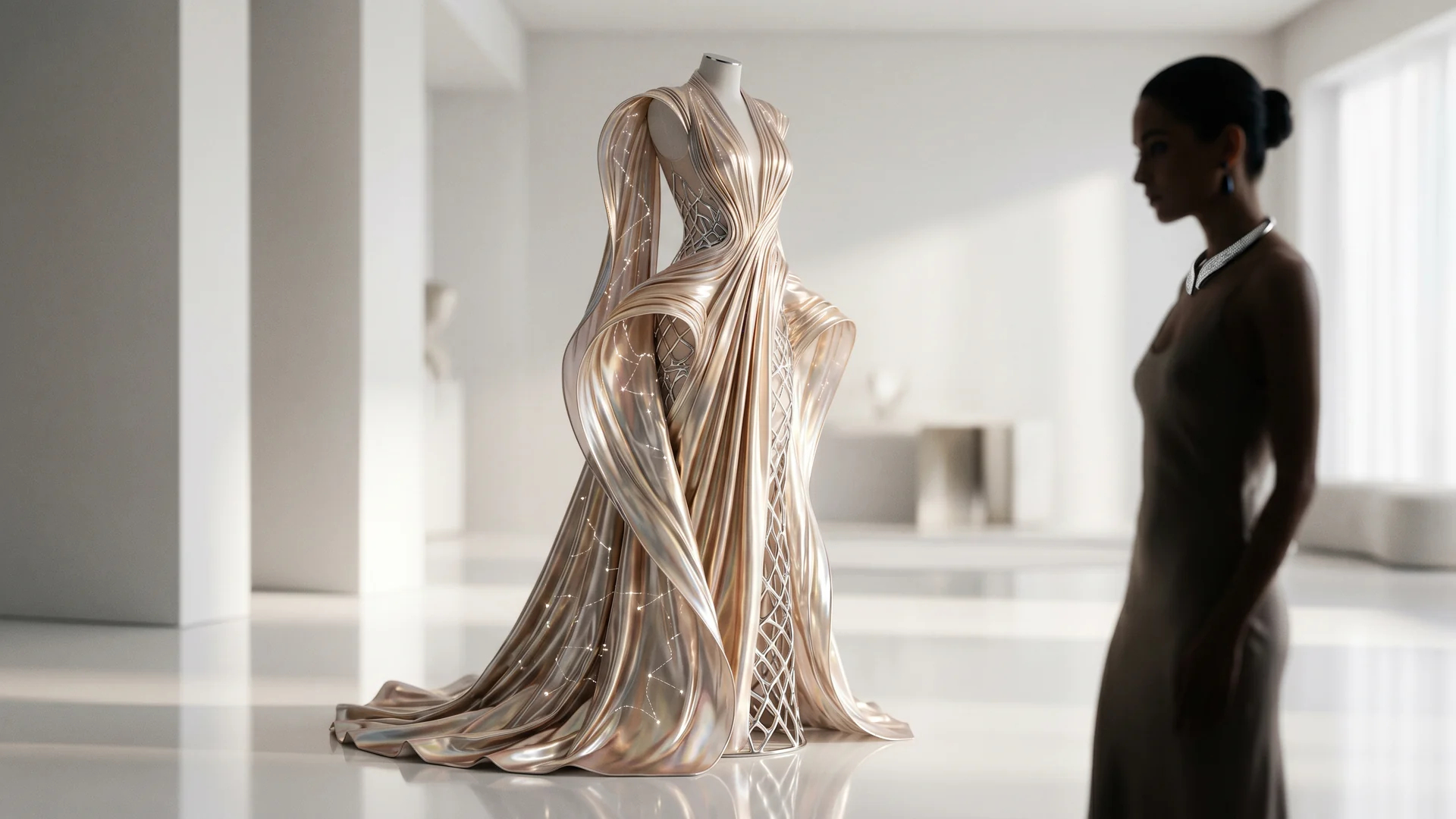
Future of Luxury Fashion: Innovation, Technology, and the Next Frontier
Discover the future of luxury fashion: how AI, blockchain, digital couture, bio-fabricated materials and sustainability are reshaping maisons and the …
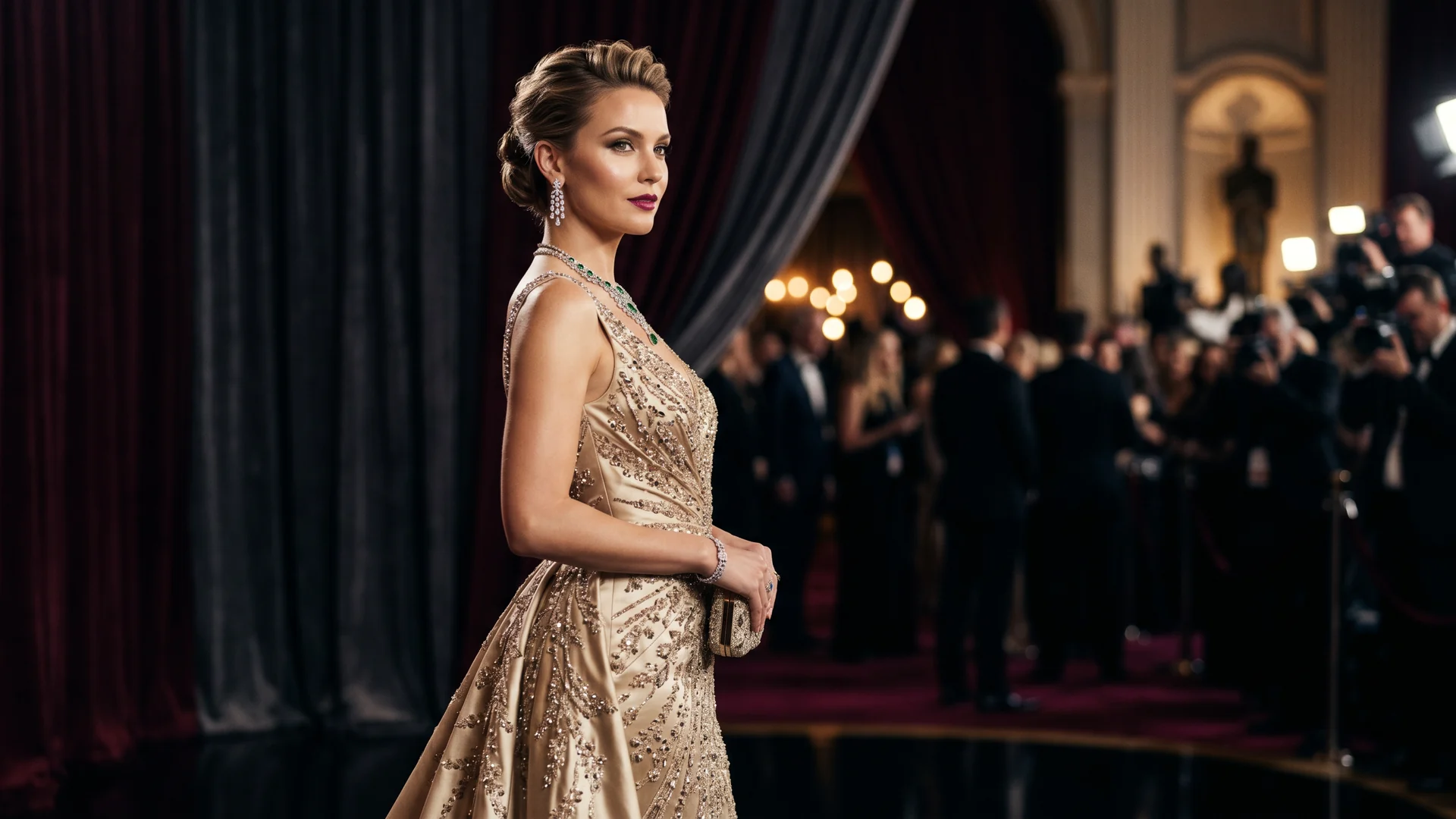
Celebrity Style Guide: Decoding the Fashion of the Famous
Decode celebrity style: how stylists, red carpet partnerships, and social media shape fashion, plus archetypes and tips to build a celebrity-inspired …
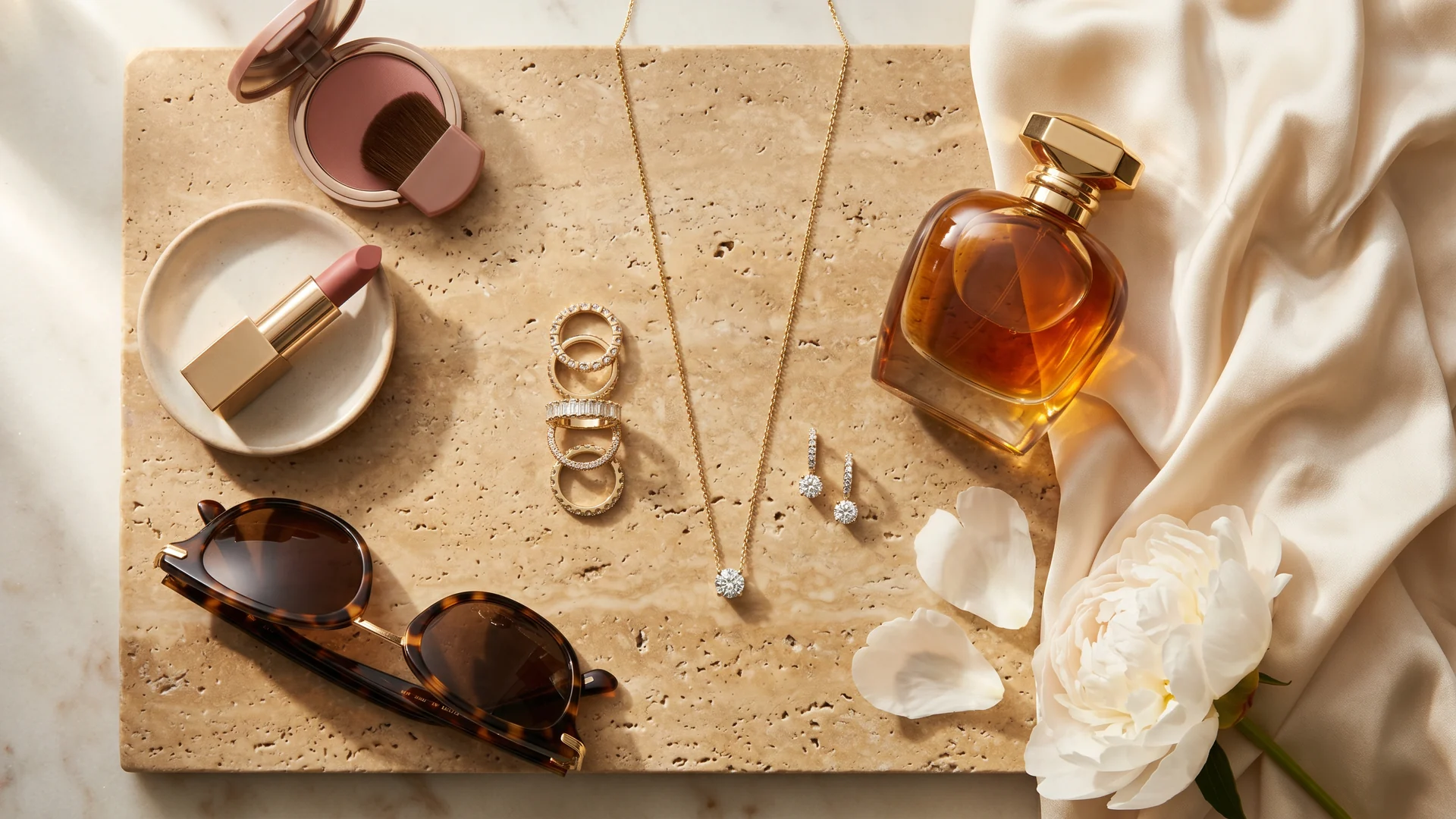
Luxury Lifestyle Guide: Curating the Art of Living Well
Discover the luxury lifestyle as the art of living well: quiet luxury in travel, wine, home design, wardrobe, watches, and wellness, curated with inte…