Jewelry Collecting Guide: Building a Timeless Collection
Jewelry collecting guide: learn how to build a timeless collection with expert tips on gemstone value, provenance, signed maisons, smart buying, and proper care.…
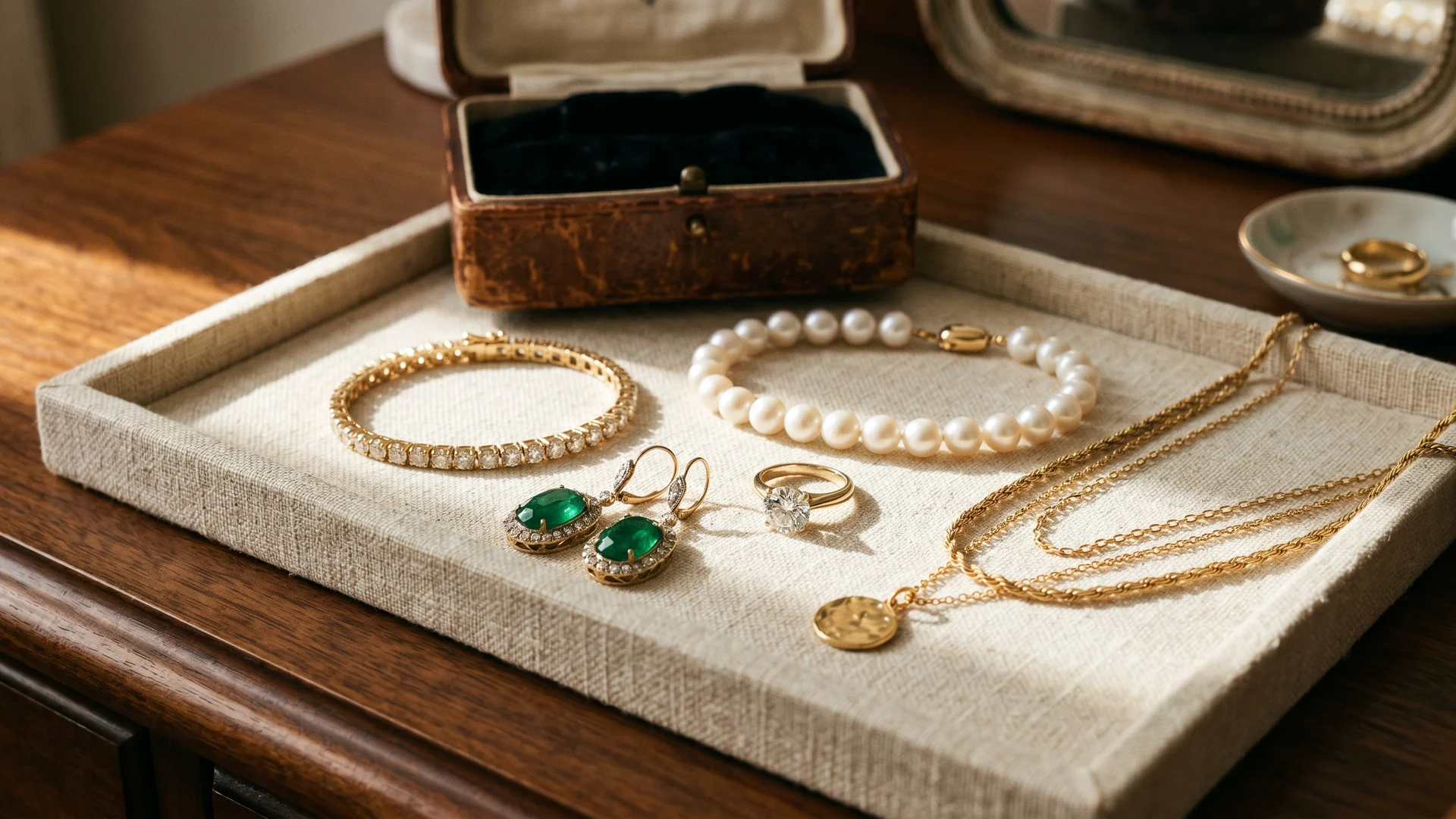
Build a timeless jewelry collection by educating your eye first, then prioritizing quality, signed pieces, and provenance over quantity within a clear focus, and carefully documenting and caring for every acquisition.
Key Takeaways
- Education is a collector's only real protection: read auction catalogues, visit museum collections, and handle pieces in person before spending significantly.
- The Four Cs (Cut, Color, Clarity, Carat) are the starting point for diamonds, but colored stones are valued chiefly on color, origin, and absence of treatment, while pearls are judged on luster, surface, shape, and natural versus cultured status.
- Start with versatile, wearable foundations such as diamond stud earrings, a classic tennis bracelet, or a gold chain from prestigious houses like Cartier or Tiffany & Co.
- Provenance and complete documentation drive value: signed pieces from maisons like Van Cleef & Arpels, Bulgari, and Harry Winston command premiums, and original certificates, boxes, and receipts should be stored as carefully as the jewelry itself.
- Define a focus around a house, period, gemstone, or category, and consistently choose quality over quantity since one exceptional piece almost always outperforms several mediocre ones.
- Exceptional untreated colored stones such as Burmese rubies, Kashmir sapphires, and Colombian emeralds are genuinely rare and long regarded as serious stores of value, making independent laboratory reports indispensable above modest price points.
- Proper care is non-negotiable: use a humidity-controlled safe, store pieces individually, schedule periodic professional cleanings and inspections, avoid harsh ultrasonic cleaning on emeralds and pearls, and maintain specialist insurance with reasonably current appraisals.
🌐 Also available in: Deutsch
Why Jewelry Collecting Endures
Jewelry collecting is one of the most rewarding pursuits in the luxury world, combining aesthetic pleasure with the potential to preserve and grow wealth across generations. Few objects manage to be at once intimate and enduring: a ring worn daily can also be a portable store of value, a record of craftsmanship, and an heirloom that outlives the hand that wore it. Whether you are a novice acquiring your first signed piece or a seasoned collector refining a focused holding, understanding the nuances of fine jewelry is essential to building a collection that brings genuine joy and stands the test of time.
Unlike fashion, which is designed to be replaced, fine jewelry is designed to be kept. The materials are intrinsically rare, the workmanship is slow and often handmade, and the best pieces are tied to houses and periods that history continues to celebrate. That combination of beauty, scarcity, and provenance is precisely why a thoughtfully assembled collection can hold its meaning long after trends have moved on.
Starting Your Collection
The foundation of any serious jewelry collection begins with education. Before spending significantly, spend time learning. Read auction catalogues, visit museum collections, handle pieces in person whenever a reputable dealer or boutique allows, and train your eye to recognize the difference between something merely expensive and something genuinely fine. Knowledge is the only protection a collector truly has, and it compounds far faster than any single purchase.
Understand How Stones Are Valued
Understanding the Four Cs, Cut, Color, Clarity, and Carat, is crucial for diamonds, but it is only the beginning. Each gemstone has its own valuation criteria, and the relative weight of those factors shifts from one species to another:
- Diamonds are judged most rigorously on cut, which governs how light returns to the eye, alongside color, clarity, and carat weight.
- Colored stones such as ruby, sapphire, and emerald are valued above all for the quality and saturation of their color, with origin and the absence of treatment playing decisive roles.
- Pearls are assessed on luster, surface quality, shape, and whether they are natural or cultured.
For higher-value purchases, insist on reports from respected independent gemological laboratories. A credible certificate documents not only the stone’s characteristics but also any treatments it has undergone, information that materially affects both value and care.
Begin With Versatile, Wearable Pieces
We recommend starting with versatile pieces that can be worn daily and integrated into almost any wardrobe: diamond stud earrings, a classic tennis bracelet, or a simple gold chain necklace. Acquiring such pieces from a prestigious house like Cartier or Tiffany & Co. accomplishes two things at once, it gives you objects you will reach for constantly, and it anchors your collection to names with a long, well-documented history. These foundational pieces rarely date, layer beautifully with later acquisitions, and tend to hold their desirability better than novelty designs.
Why Provenance and Documentation Matter
Provenance matters enormously. Jewelry from renowned maisons such as Van Cleef & Arpels, Bulgari, and Harry Winston commands significant premiums at auction precisely because the name guarantees a standard of design and execution that the wider market trusts. A signed piece carries the weight of an institution behind it; an unsigned one of comparable materials usually does not.
Documentation protects that value. Keep all original certificates, boxes, receipts, and any service records, and store them as carefully as the jewelry itself. Complete paperwork reassures future buyers, simplifies insurance and resale, and can meaningfully lift the price a piece achieves when it eventually changes hands. Where a notable previous owner or an exhibition history exists, preserve that record too, a documented story is part of what sophisticated collectors are paying for.
Defining a Focus and a Strategy
The collectors who build the most coherent holdings tend to define a focus rather than buying broadly. A defined theme imposes discipline, deepens your expertise, and makes each new acquisition stronger because it speaks to the others around it. Consider organizing your collection around one or more guiding ideas:
- A house or maison, concentrating on a single great name and learning its design language across decades.
- A period. Art Nouveau, Art Deco, Belle Époque, Retro, or mid-century modernism, each with its own vocabulary.
- A gemstone, building depth in, say, sapphires or natural pearls, so that comparisons become second nature.
- A category, brooches, signet rings, or important earrings, where you can pursue the very best examples.
Whatever the focus, quality should consistently take precedence over quantity. One exceptional piece almost always outperforms several mediocre ones, both in the pleasure it gives and in how it holds value. It is wiser to wait, save, and acquire the finest example you can than to accumulate compromises that you will later want to upgrade.
Understanding Market Dynamics
The fine jewelry market is not a single market but several, each moving to its own rhythm. Understanding those currents helps a collector buy with conviction rather than chasing whatever happens to be fashionable.
The Rise of Fine Colored Stones
The colored gemstone market has experienced remarkable, sustained interest. Burmese rubies, Kashmir sapphires, and Colombian emeralds of exceptional quality and credible origin are among the most coveted stones in the world, and the finest untreated examples are genuinely rare. Because supply of top material is limited and demand for it is global, exceptional colored stones have long been regarded as serious stores of value. Paraíba tourmalines, with their electric neon-blue glow, and fine spinels, long underappreciated relative to their beauty, are widely seen as emerging frontiers for collectors willing to do their homework.
A crucial caveat: with colored stones, treatment and origin are everything. An unheated sapphire of fine origin and a heated one can look similar yet sit at very different levels of desirability. This is exactly why independent laboratory reports are indispensable above modest price points.
Signed, Vintage, and Period Jewelry
Vintage and period jewelry from the Art Deco, Belle Époque, and Retro eras continues to attract devoted collectors. Pieces from the 1920s and 1930s, particularly those with crisp geometric designs and precise calibré-cut stones, are highly sought after for their architecture and discipline. Signed period pieces from the great houses occupy a particularly strong position, marrying historical interest with brand prestige. Because such jewelry cannot be reproduced, the makers, the materials, and the moment are gone, genuine examples in fine condition are inherently finite.
Reading Quality Over Hype
Markets generate noise, and not every much-discussed trend rewards the buyer who follows it. Rather than reacting to momentum, anchor decisions in enduring fundamentals:
- Intrinsic quality of materials and workmanship.
- Rarity that is real rather than manufactured.
- Condition, originality, and the absence of clumsy repairs or replaced stones.
- The strength of the signature and the completeness of documentation.
Pieces that score well across these dimensions tend to retain their appeal regardless of where fashion happens to be.
Where and How to Buy
Where you buy is nearly as important as what you buy. Each channel offers a different balance of selection, price, assurance, and risk.
- Established boutiques and the houses themselves, the surest route to authenticity and full documentation for new pieces, generally at retail prices.
- Major auction houses, access to rare, period, and signed pieces with research and condition reporting, though competitive bidding and buyer’s premiums require composure and a firm limit.
- Reputable specialist and estate dealers, often a source of distinctive vintage finds and informed guidance; the dealer’s standing is your safeguard.
Whatever the channel, verify before you commit. Confirm authenticity, ask directly about any treatments and restoration, request independent reports for important stones, and be wary of bargains that seem too good to be true. Build relationships with people whose expertise and integrity you trust; over time, those relationships often bring the first call on the best pieces.
Caring for Your Collection
Proper maintenance is non-negotiable. A collection is only as good as its condition, and neglect quietly erodes both beauty and value. A disciplined custodian protects acquisitions on several fronts at once.
Storage and Handling
Invest in a high-quality safe, ideally with humidity control, and store pieces individually so that harder stones do not scratch softer ones. Keep jewelry away from prolonged heat and strong light, remove pieces before swimming, exercising, or applying cosmetics and perfume, and handle stones by their metal settings rather than touching the gem surfaces.
Cleaning and Servicing
Schedule periodic professional cleanings and inspections, during which a jeweler can check settings, tighten prongs, and catch small problems before a stone is lost. Bear in mind that some gems, emeralds and pearls in particular, are delicate and should never be subjected to harsh ultrasonic cleaning or aggressive chemicals.
Insurance, Appraisal, and Records
Maintain comprehensive, specialist insurance and keep appraisals reasonably current, since values can shift meaningfully in dynamic markets. Document each piece photographically, record its specifications and paperwork, and keep that archive separate from the jewelry itself. Thorough records simplify claims, support resale, and make eventual estate planning far less fraught.
Building a Lasting Legacy
The most successful collectors approach jewelry acquisition with both passion and discipline. Passion sustains the pursuit and guides taste; discipline ensures that taste is exercised on quality, rarity, and provenance rather than on impulse. Buy what you love, you should be glad to own and wear every piece, but always with an educated eye and a willingness to wait for the right example rather than settle for an available one.
Think, too, about the future of what you assemble. Keep your documentation in order, communicate your collection’s structure and significance to those who will one day inherit it, and treat each acquisition as a chapter in a longer story. A thoughtfully assembled jewelry collection is not merely an indulgence or a hedge, it is a record of craftsmanship, a source of daily pleasure, and ultimately a legacy passed forward.
Frequently Asked Questions (FAQ)
How should a beginner start a jewelry collection?
Begin with education before spending: read auction catalogues, visit museum collections, and handle pieces in person to train your eye. Then acquire versatile, wearable foundations such as diamond stud earrings, a classic tennis bracelet, or a gold chain from a prestigious house like Cartier or Tiffany & Co. which rarely date and hold their desirability.
Why does provenance matter so much in jewelry collecting?
Provenance matters because a great name guarantees a trusted standard of design and execution. Jewelry from renowned maisons such as Van Cleef & Arpels, Bulgari, and Harry Winston commands significant premiums at auction, and a signed piece carries an institution's weight that an unsigned one of comparable materials usually does not. A documented story is part of what sophisticated collectors pay for.
How are gemstones valued in a jewelry collection?
Valuation criteria shift by stone type. Diamonds are judged most rigorously on cut, alongside color, clarity, and carat. Colored stones like ruby, sapphire, and emerald are valued above all on color quality and saturation, with origin and absence of treatment decisive. Pearls are assessed on luster, surface, shape, and whether natural or cultured. Independent laboratory reports are essential for higher-value purchases.
Should a jewelry collector focus on quality or quantity?
Quality should consistently take precedence over quantity. One exceptional piece almost always outperforms several mediocre ones, both in the pleasure it gives and in how it holds value. The guide advises waiting, saving, and acquiring the finest example you can rather than accumulating compromises you will later want to upgrade, ideally within a defined collecting focus.
Where is the safest place to buy fine jewelry?
Established boutiques and the houses themselves are the surest route to authenticity and full documentation for new pieces, generally at retail prices. Major auction houses offer rare, period, and signed pieces with research and condition reporting, while reputable specialist and estate dealers provide distinctive vintage finds. Whatever the channel, verify authenticity, ask about treatments, and request independent reports for important stones.
How should you care for and store a fine jewelry collection?
Invest in a high-quality safe, ideally with humidity control, and store pieces individually so harder stones do not scratch softer ones. Keep jewelry away from prolonged heat and strong light, remove it before swimming or applying cosmetics, schedule periodic professional cleanings and inspections, and avoid harsh ultrasonic cleaning on delicate gems like emeralds and pearls.
What makes colored gemstones a strong area for jewelry collectors?
The colored gemstone market has seen remarkable, sustained interest because top material is genuinely rare and demand is global. Burmese rubies, Kashmir sapphires, and Colombian emeralds of exceptional quality and credible origin are among the world's most coveted stones, with Paraiba tourmalines and fine spinels emerging as frontiers. With colored stones, treatment and origin are everything, making laboratory reports indispensable.
How can you build a jewelry collection that becomes a lasting legacy?
Approach acquisition with both passion and discipline: buy what you love, but with an educated eye that prioritizes quality, rarity, and provenance over impulse. Keep documentation in order, communicate the collection's structure and significance to future inheritors, and treat each acquisition as a chapter in a longer story, so the collection becomes a record of craftsmanship and a legacy passed forward.
More from News
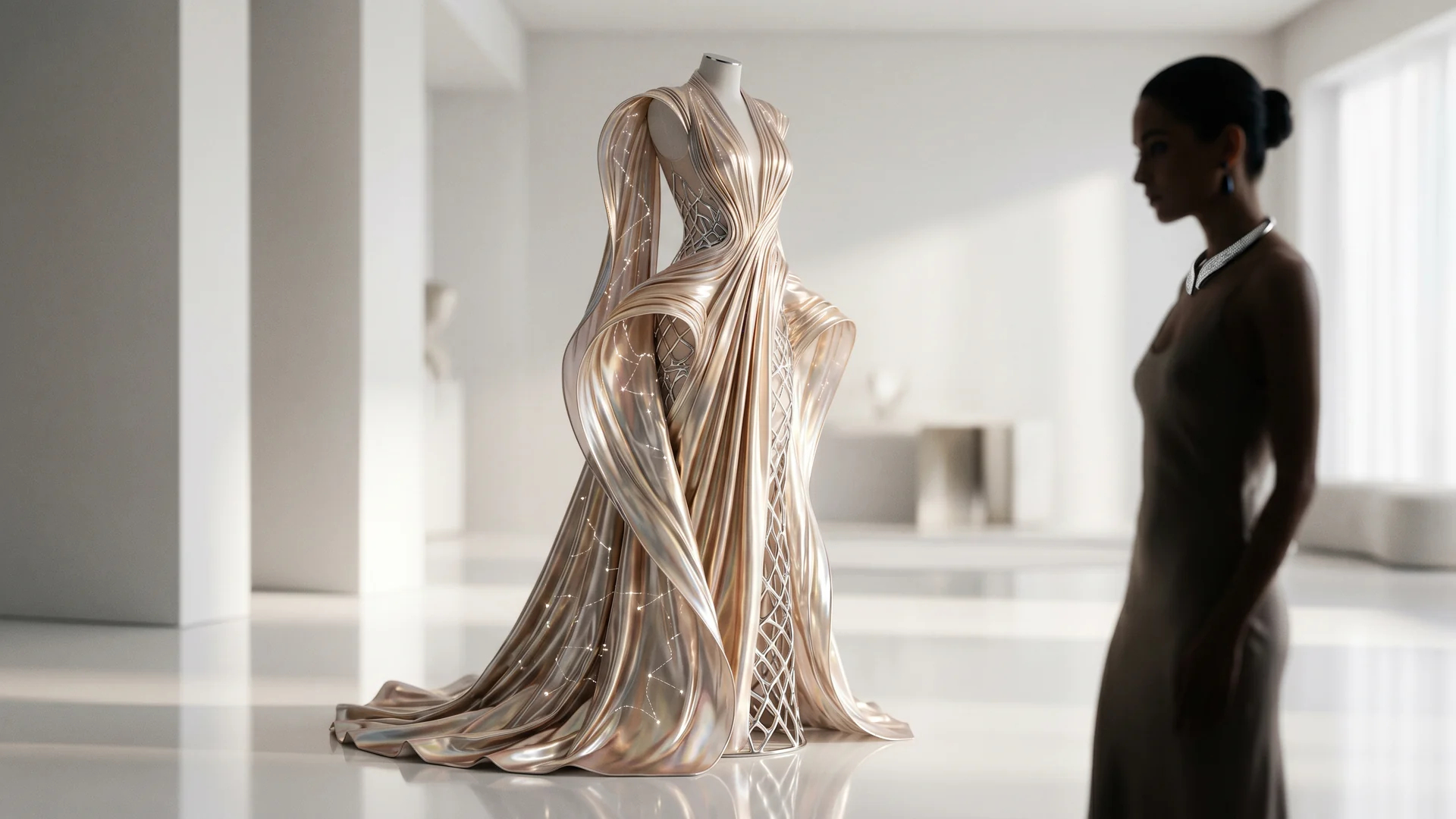
Future of Luxury Fashion: Innovation, Technology, and the Next Frontier
Discover the future of luxury fashion: how AI, blockchain, digital couture, bio-fabricated materials and sustainability are reshaping maisons and the …
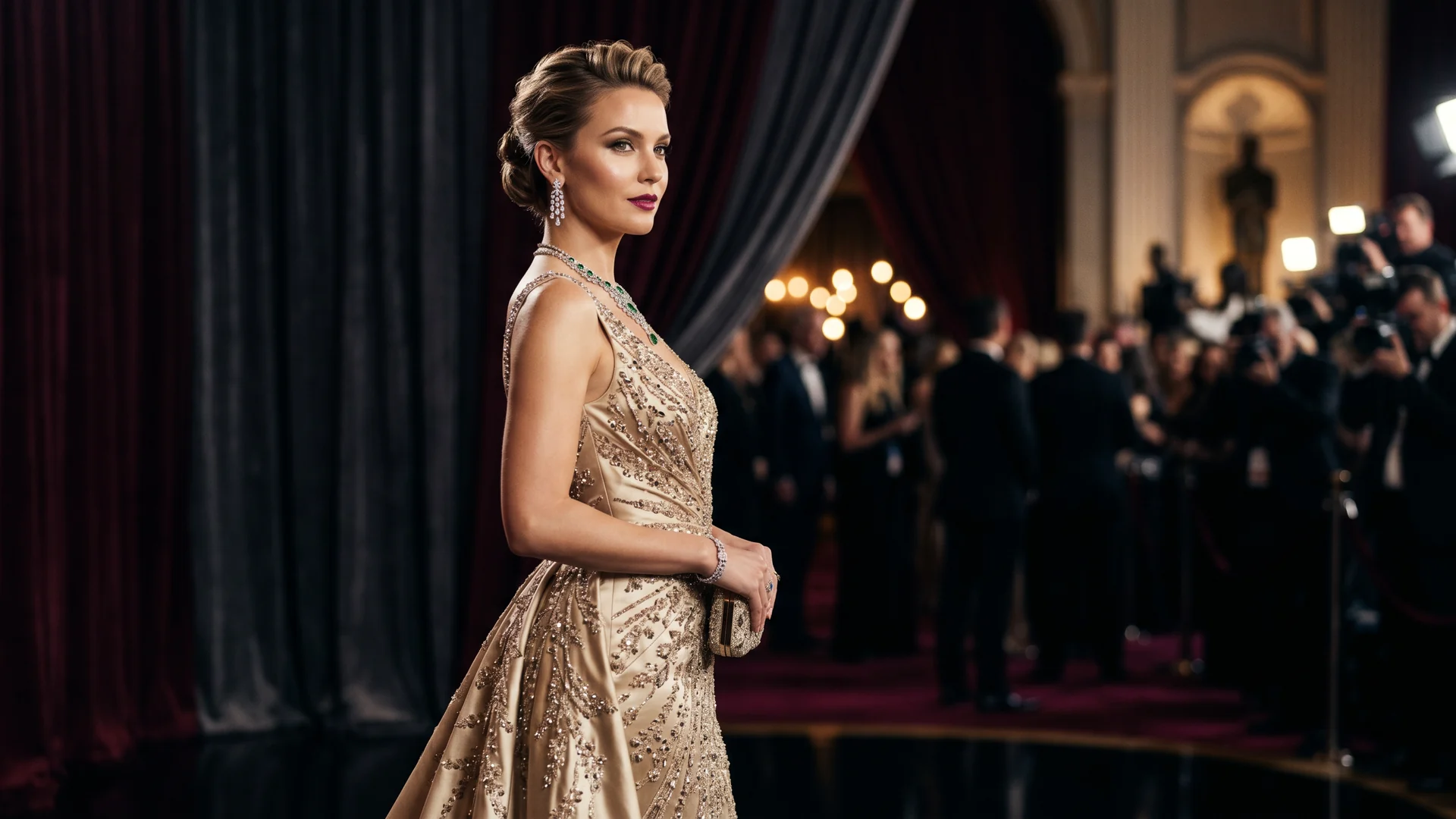
Celebrity Style Guide: Decoding the Fashion of the Famous
Decode celebrity style: how stylists, red carpet partnerships, and social media shape fashion, plus archetypes and tips to build a celebrity-inspired …
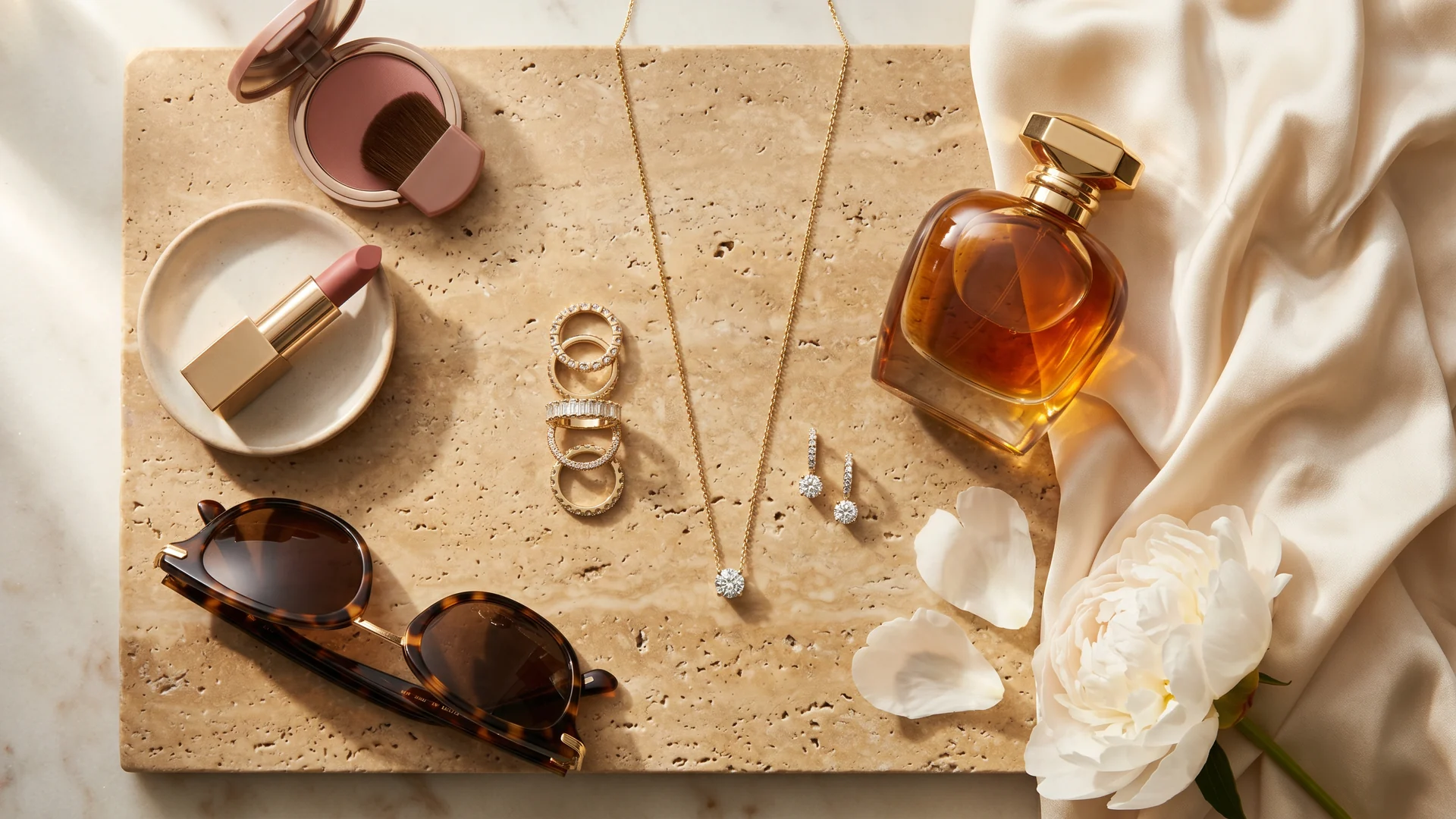
Luxury Lifestyle Guide: Curating the Art of Living Well
Discover the luxury lifestyle as the art of living well: quiet luxury in travel, wine, home design, wardrobe, watches, and wellness, curated with inte…